Top 10 Benefits of Clad Windows for Your Home?
In today's home improvement landscape, clad windows are gaining prominence. As John Smith, a leading expert in the clad windows industry, states, "Clad windows combine beauty with durability." This dual benefit appeals to homeowners seeking both aesthetics and function.
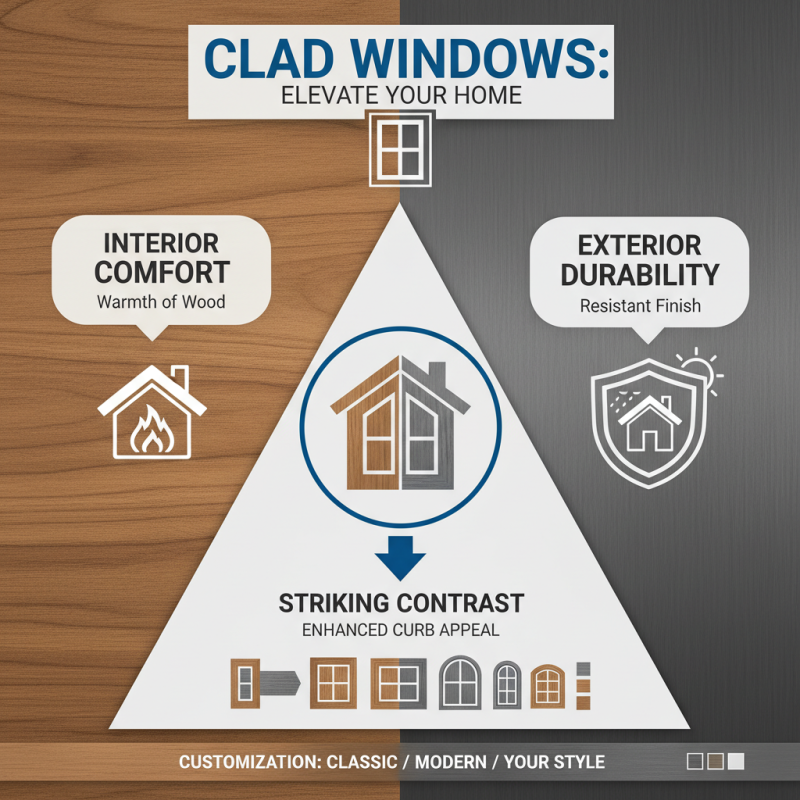
Clad windows feature a protective exterior, shielding against harsh weather. Inside, they offer a warm, inviting appearance. More homeowners recognize how these windows enhance energy efficiency and reduce maintenance needs. This trend raises questions about durability versus initial cost. While clad windows can be pricier upfront, their longevity and low upkeep can save money over time.
Yet, not every choice is perfect. Some may find the variety overwhelming, leading to confusion. It's important to consider the design and practicality of clad windows. Balancing style with budget is a challenge many face. Each option presents unique problems, prompting deeper reflection on what truly fits one’s home.
Benefits of Enhanced Energy Efficiency with Clad Windows
Clad windows offer significant energy efficiency advantages. They combine the beauty of natural wood with the durability of other materials. This union creates a barrier that reduces heat loss during winter and keeps homes cool in summer. Many homeowners report lower energy bills after installation.
The thermal performance of clad windows is remarkable. Their insulation properties help maintain stable indoor temperatures. However, achieving optimal efficiency relies on proper installation. Poorly fitted windows can lead to air leaks. Regular maintenance is essential to avoid drafts and condensation.
Additionally, clad windows are not solely energy-efficient. They enhance the aesthetic appeal of a home. Available in various styles and finishes, they can suit any architectural design. Yet, selecting the right style can be challenging. Homeowners must balance personal taste with functionality. It's important to evaluate both aspects critically.
Durability: How Clad Windows Stand Against Weather Elements
Clad windows offer impressive durability, particularly when it comes to weather elements. These windows are designed with a protective exterior layer that resists harsh conditions. According to the National Association of Home Builders, the average lifespan of clad windows is estimated at 30 years. This longevity is largely due to their ability to withstand relentless UV rays and extreme temperatures.
Rain, snow, and wind can wear down traditional windows quickly. In fact, reports highlight that homes in storm-prone areas may see a 20% increase in window maintenance needs with non-clad options. Clad windows can significantly reduce this maintenance burden. They resist warping, fading, and corrosion, making them ideal for fluctuating climates.
However, homeowners should also consider potential drawbacks. While clad windows are robust, the initial investment can be higher. Some reports suggest that about 15% of homeowners regret not budgeting adequately for stronger materials. Choosing clad windows may demand more upfront costs, but their long-term benefits might justify the expense. Overall, balanced decisions regarding window materials can enhance a home's resilience against nature's challenges.
Top 10 Benefits of Clad Windows for Your Home
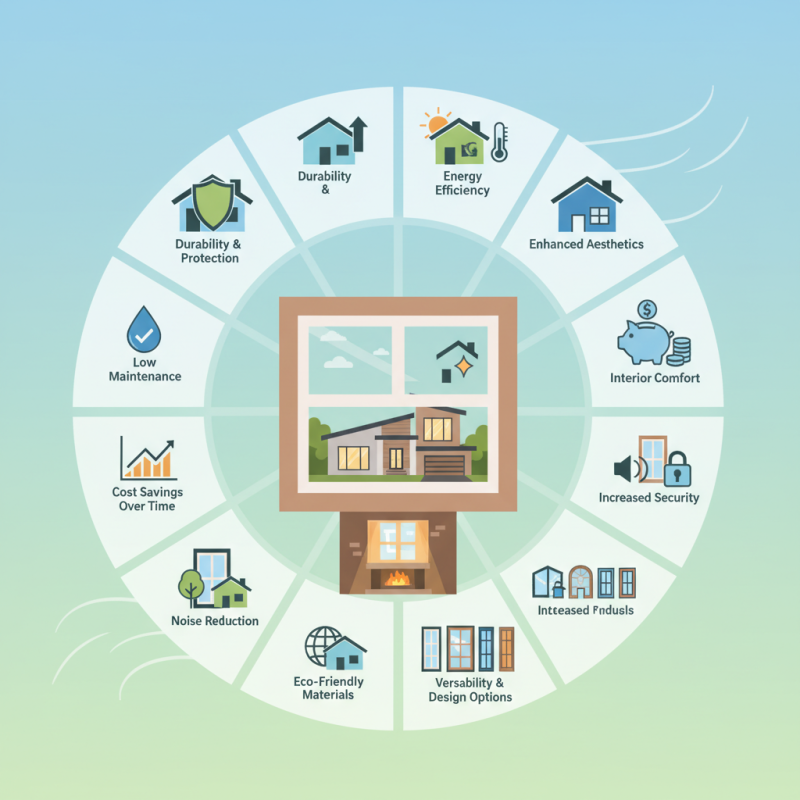
| Benefit |
Description |
| Durability |
Clad windows are designed to withstand harsh weather conditions, including heavy rain, snow, and high winds, ensuring longevity. |
| Energy Efficiency |
They provide excellent insulation that helps in maintaining indoor temperatures, leading to lower energy bills. |
| Low Maintenance |
Clad windows require minimal maintenance, as the exterior materials resist rot and corrosion better than traditional wood. |
| Aesthetic Appeal |
They come in various styles and finishes, allowing homeowners to choose designs that match their aesthetic preferences. |
| Noise Reduction |
Clad windows often feature double glazing that significantly reduces external noise, improving indoor comfort. |
| Eco-Friendly Options |
Many clad windows are made from sustainable materials or are designed to promote energy efficiency, contributing to environmental sustainability. |
| Increased Home Value |
Installing clad windows can enhance the resale value of a home due to their durability and energy efficiency. |
| Safety Features |
They are often equipped with advanced locking systems and shatter-resistant glass options, enhancing home security. |
| Customization |
Homeowners can customize sizes, shapes, and finishes to perfectly fit their home’s architecture. |
| Better Warranty |
Many clad windows come with extended warranties that can provide peace of mind regarding potential future repairs. |
Low Maintenance Requirements for Clad Windows
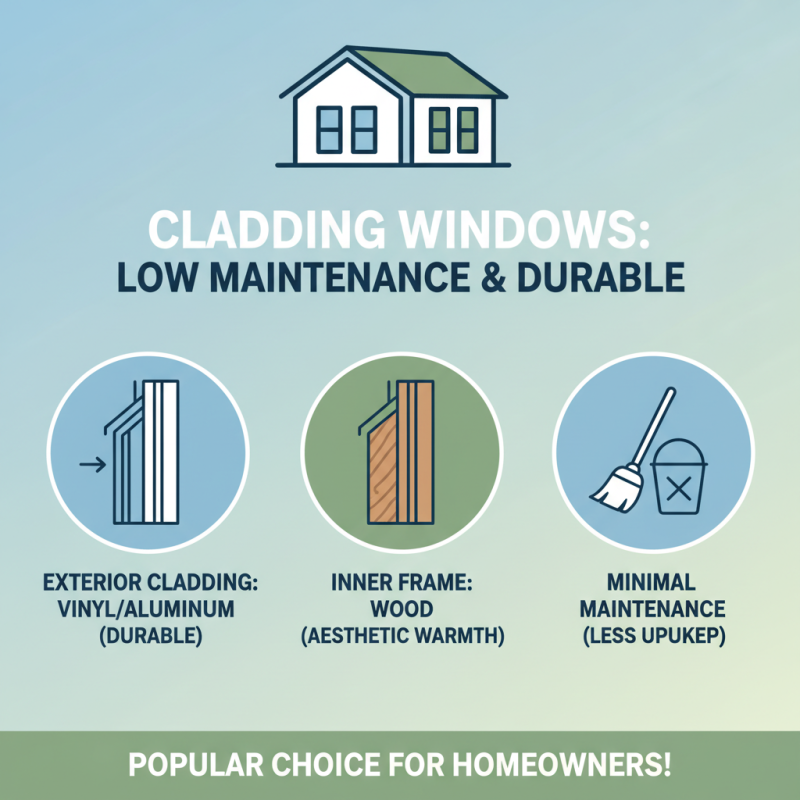
Clad windows require minimal maintenance, making them a popular choice for homeowners. The exterior cladding often consists of durable materials like vinyl or aluminum. The inner frame may be wood, which offers aesthetic warmth. Homeowners appreciate that this design reduces the upkeep typically needed with traditional wood windows.
Reports indicate that clad windows can last for decades with little care. The National Association of Home Builders states that properties with clad windows show reduced wear and tear. Cleaning these windows is straightforward. A simple wash with soapy water suffices. There are no concerns about peeling paint or rot. However, some homeowners may overlook the need for occasional inspections.
The low maintenance of clad windows appeals to busy lifestyles. A study from the American Institute of Architects suggests that 62% of homeowners prefer low-maintenance solutions. This trend reflects a growing desire for hassle-free living. Despite their advantages, homeowners should still monitor the frame for condensation. Addressing issues early can prevent bigger problems later on. While clad windows excel in durability, they are not entirely maintenance-free. Regular checks can ensure lasting performance and visual appeal.
Cost-Effectiveness: Long-Term Savings with Clad Window Installation
Clad windows offer notable cost-effectiveness. When homeowners invest in clad window installation, they are looking at long-term savings. These windows combine durability with minimal maintenance. With a protective exterior, they resist weather damage better than traditional options. This durability means fewer repairs and replacements over time.
Energy efficiency is another area where clad windows shine. Insulated frames help keep homes warm in winter and cool in summer. Lower energy bills can significantly offset the initial investment within a few years. However, some may overlook the importance of proper installation. If installed poorly, even the best windows can lead to leaks and drafts.
Another consideration is the upfront cost. While clad windows might seem pricey at first, their longevity can offer financial benefits. Cheaper options could lead to more frequent replacements. It's vital to weigh the immediate costs against potential savings. Homeowners should think about their long-term plans and budget when deciding. Every choice carries trade-offs, and this one is no different.
Top 10 Benefits of Clad Windows for Your Home