Top 10 Benefits of Choosing External Windows for Energy Efficiency and Aesthetic Appeal
In the pursuit of energy efficiency and aesthetic appeal, the choice of external windows plays a crucial role in modern architecture and construction. According to a recent report from the National Fenestration Rating Council (NFRC), energy-efficient windows can reduce energy bills by up to 12% annually. This statistic underscores the growing importance of external windows not only as functional components of a building but also as integral elements that can enhance a property’s value and visual allure.
Industry expert Dr. Emily Chen, a leading authority in sustainable building design, emphasizes, “Selecting the right external windows is vital in creating a balance between energy conservation and aesthetic enhancement.” Her statement reflects the trend that is increasingly resonating within the architecture and construction sectors, where homeowners and builders alike are recognizing the dual benefits of investing in high-quality external windows. With advancements in technology, the market now offers a variety of styles and materials that cater to both performance standards and design preferences, making external windows an essential consideration for both new constructions and renovations.
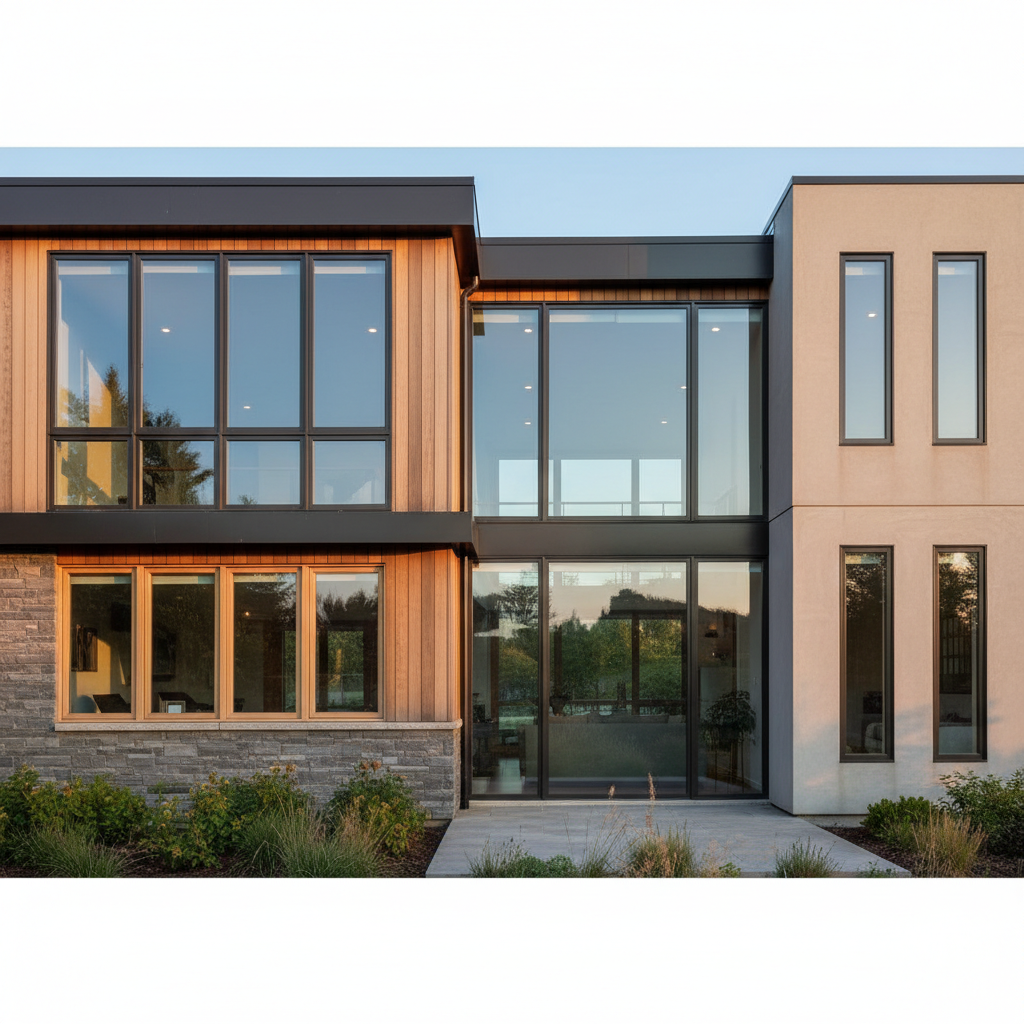
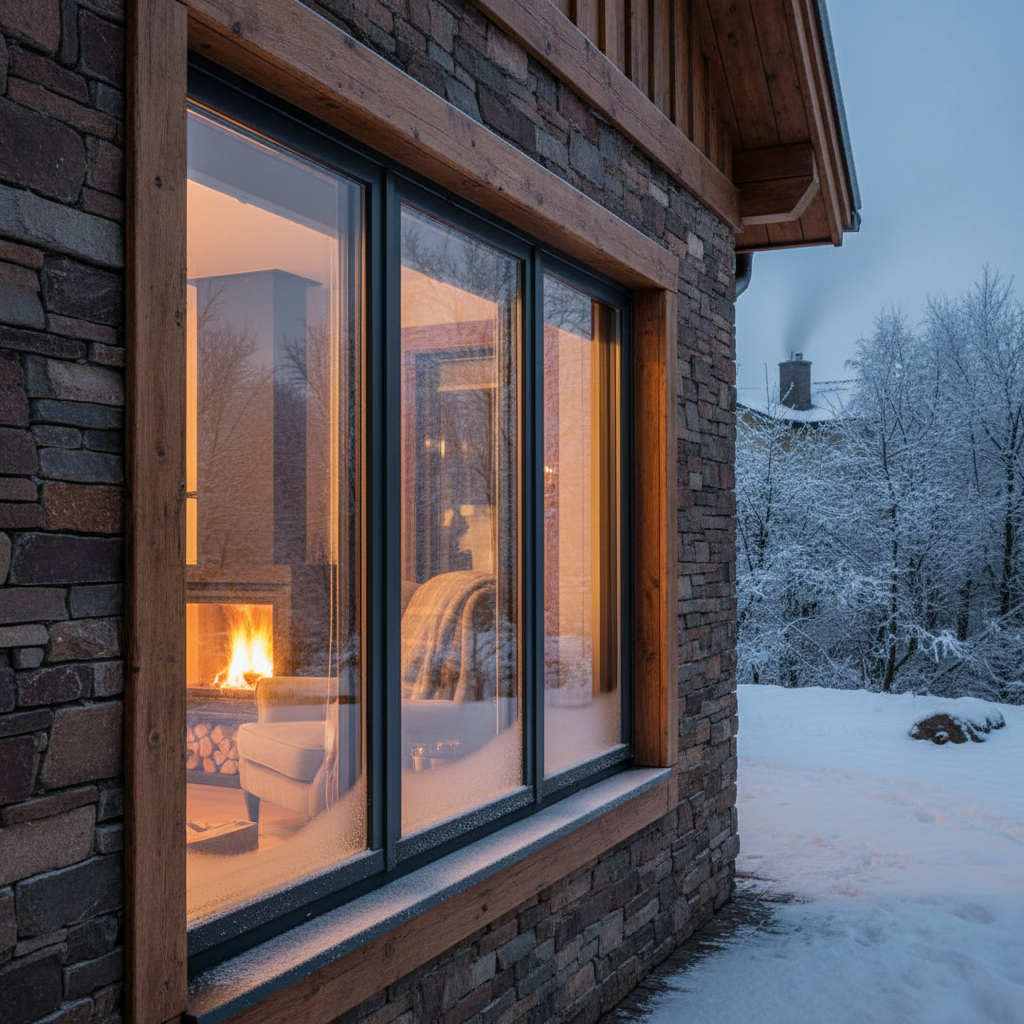
Benefits of Enhanced Insulation with External Windows
When considering energy efficiency in home design,
external windows play a pivotal role due to their enhanced insulation properties. One of the primary benefits is their ability to
significantly reduce heat loss during colder months.
These windows are designed with advanced glazing technologies and insulated frames, which keep the indoor environment warmer by minimizing drafts and thermal bridges.
This not only enhances comfort but also lowers heating expenses, making it a financially savvy choice for homeowners.
In addition to thermal performance, external windows contribute to aesthetic appeal while providing insulation.
With a variety of styles and finishes available, they can elevate the overall look of a property, ensuring that
energy efficiency doesn't compromise on beauty. High-quality external windows can also
reduce outside noise, creating a more serene indoor space without the distracting sounds from traffic or nature.
By choosing external windows that prioritize both insulation and design, homeowners can achieve a
harmonious balance between functionality and visual appeal.
Cost Savings on Energy Bills through Efficient Window Choices
Investing in external windows designed for energy efficiency can lead to significant cost savings on energy bills. According to the U.S. Department of Energy, energy-efficient windows can reduce heating and cooling costs by as much as 15-20%. This reduction is primarily due to advanced technologies such as Low-E coatings and argon gas fills, which enhance insulation and minimize heat transfer. For homeowners, this not only contributes to a lower monthly utility bill but also increases the overall comfort of their living space.
Furthermore, a study conducted by the National Fenestration Rating Council (NFRC) indicates that homes with energy-efficient windows can contribute to savings exceeding $500 annually, depending on geographical location and climate. As energy prices continue to rise, the return on investment for high-performance windows becomes increasingly attractive. Not only do these choices improve energy efficiency, they also elevate the aesthetic appeal of a home, potentially increasing property value and curb appeal.
By selecting the right external windows, homeowners can make a smart financial decision that benefits both their wallet and the environment.
Aesthetic Versatility: Transforming Home Design with External Windows
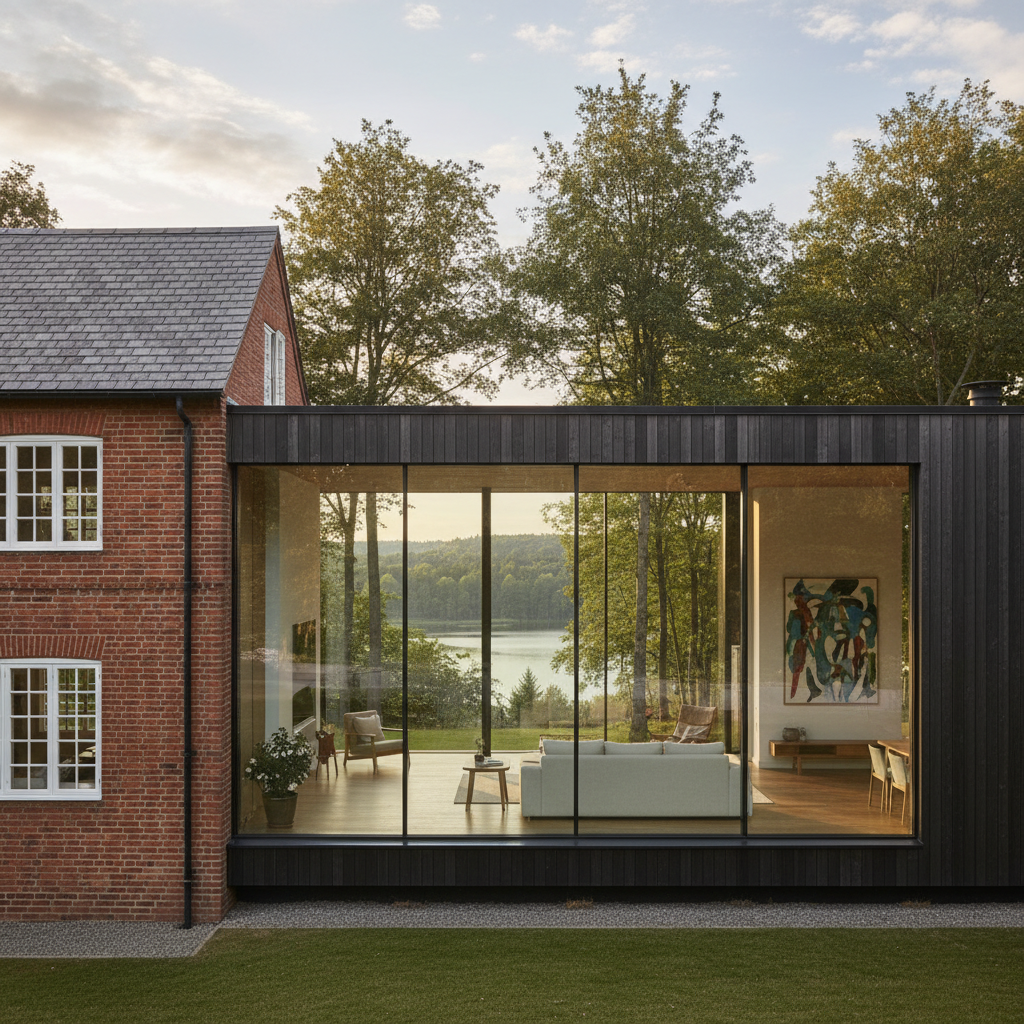
External windows serve as a pivotal element in enhancing the aesthetic versatility of a home’s design. With a myriad of styles, shapes, and finishes available, homeowners can seamlessly integrate windows into their architectural vision. Large panoramic windows can create an expansive feel and blur the lines between indoor and outdoor spaces, while traditional sash windows add a touch of historical charm to classic homes. By selecting the right type of window, homeowners can not only beautify their space but also curate the natural light that accentuates their interior decor.
Moreover, modern advancements in window technology allow for designs that cater to both functionality and aesthetic appeal. Energy-efficient options, such as triple glazing and low-emissivity coatings, can complement contemporary home designs while ensuring better insulation and reduced energy costs. Decorative options, like custom frames and patterned glass, can also transform a plain window into a stunning focal point, enhancing the overall character of the home. Ultimately, choosing external windows thoughtfully enables homeowners to create a harmonious blend of beauty and efficiency.
Improved Natural Light and Ventilation for Indoor Spaces
When considering the design of indoor spaces, the role of natural light and ventilation cannot be overstated. External windows serve as critical elements that enhance both energy efficiency and aesthetic appeal. By maximizing the influx of natural light, these windows create a brighter, more inviting atmosphere. Natural light not only energizes spaces but also has been shown to improve mood and productivity, making them ideal for homes and workplaces alike. Properly positioned windows can help reduce reliance on artificial lighting, contributing to energy savings while creating a more vibrant living environment.
In addition to improving illumination, external windows facilitate better ventilation. Proper airflow is essential for maintaining indoor air quality, and strategically placed windows allow for the effective exchange of stale indoor air with fresh outdoor air. This not only enhances comfort but also helps in regulating indoor temperatures, leading to a more energy-efficient home. With options such as casement or sliding windows, homeowners can easily adjust their ventilation needs, improving overall indoor climates. The combination of natural light and ventilation, therefore, plays a significant role in creating healthier, more aesthetically pleasing spaces.
Top 10 Benefits of Choosing External Windows for Energy Efficiency and Aesthetic Appeal - Improved Natural Light and Ventilation for Indoor Spaces
| Benefit |
Description |
Impact on Energy Efficiency |
Impact on Aesthetic Appeal |
| Natural Light |
Increased daylight reduces the need for artificial lighting. |
High |
Enhances the visual warmth and mood of indoor spaces. |
| Ventilation |
Allows for improved airflow, reducing humidity and indoor pollutants. |
Moderate |
Creates a more open and spacious feel. |
| Energy Savings |
Energy-efficient windows reduce heating and cooling costs. |
High |
Modern designs enhance architectural appeal. |
| Noise Reduction |
Proper sealing reduces outside noise pollution. |
Moderate |
Fosters a tranquil indoor atmosphere. |
| UV Protection |
Protects furnishings from UV rays, preventing fading. |
Moderate |
Maintains the aesthetic of interior decorations. |
| Security |
Stronger windows provide better security against break-ins. |
Low |
Enhances the overall value of the property. |
| Sustainability |
Eco-friendly materials support sustainable building practices. |
High |
Appeals to environmentally-conscious buyers. |
| Increased Property Value |
Quality windows can significantly enhance market value. |
Moderate |
Aesthetic improvements attract potential buyers. |
| Customization Options |
Various designs and finishes cater to personal style. |
Low |
Enhances the uniqueness of each home. |
| Reduced Condensation |
Advanced glazing helps minimize condensation buildup. |
Low |
Maintains clear, attractive window surfaces. |
Environmental Impact: Reducing Carbon Footprint with Energy-Efficient Windows
Energy-efficient windows play a crucial role in reducing our carbon footprint and mitigating climate change. According to the U.S. Department of Energy, upgrading to energy-efficient windows can save homeowners between 7% to 15% on their energy bills. This is significant, considering that windows are responsible for about 25% to 30% of residential heating and cooling energy use. By opting for double or triple-glazed windows with low-emissivity (low-E) coatings, homeowners not only enhance their energy efficiency but also contribute to the reduction of greenhouse gas emissions associated with energy production.
In addition to energy savings, energy-efficient windows offer aesthetic appeal, transforming homes into more attractive spaces. The National Fenestration Rating Council (NFRC) provides valuable ratings on window performance, helping buyers make informed choices. When selecting windows, homeowners should consider products with high energy performance ratings that align with their environmental goals.
Tips:
- Always look for windows with the ENERGY STAR label, which signifies compliance with strict energy efficiency standards.
- Consider incorporating window films or shades to reduce heat gain and improve insulation without a complete window replacement.
- Invest in proper installation by certified professionals to maximize the energy efficiency of your new windows.
Top 10 Benefits of Choosing External Windows for Energy Efficiency and Aesthetic Appeal