2026 Best Bespoke Timber Windows Options for Your Home?
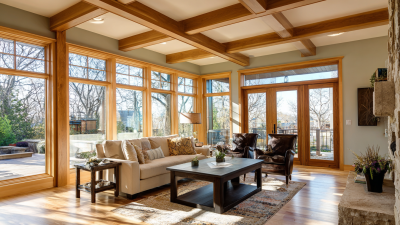
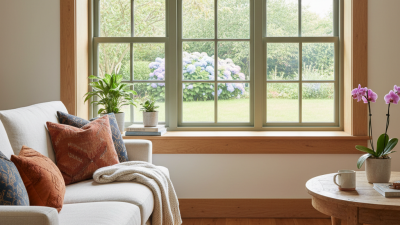
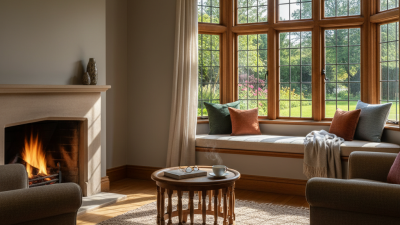
When it comes to enhancing your home, the choice of windows plays a significant role. Bespoke Timber Windows offer a unique blend of elegance and functionality. These windows allow for customization in size, style, and finish. Every home has its character, and bespoke timber options can highlight that individuality.
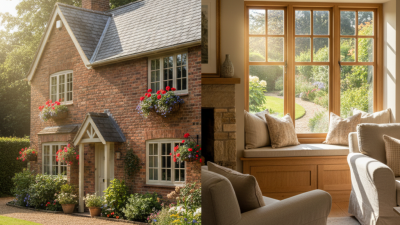
In 2026, many homeowners are embracing the charm of timber windows. They provide warmth and can complement various architectural styles. Yet, the decision isn’t just about aesthetics. One must consider the maintenance involved. Are you ready to invest time in upkeep, or do you prefer a more low-maintenance solution?
Moreover, the cost of bespoke timber windows can be substantial. It’s essential to budget wisely. Research is crucial to find the best materials and craftsmanship. Reflecting on these factors ensures that your choice enhances your living space for years to come. While bespoke timber windows are a worthy investment, discerning the right fit for your home is paramount.
Types of Bespoke Timber Windows Available for Homes
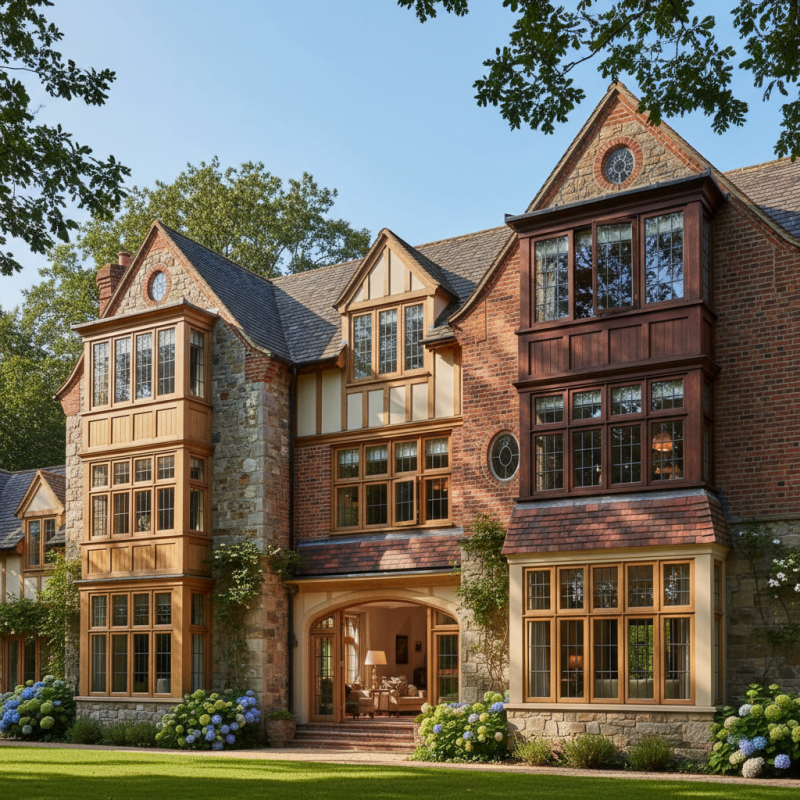
Bespoke timber windows add elegance to any home. They come in various styles. Popular types include sash, casement, and bay windows. Each type offers unique benefits.
Sash windows are a classic choice. They slide vertically and are easy to operate. According to the Timber Research and Development Association, these windows can reduce energy costs by up to 10% when properly sealed.
Casement windows swing open. They provide excellent ventilation and can enhance natural light. Homeowners appreciate their modern look and ease of cleaning.
Bay windows extend outward, creating a cozy nook inside. They often feature three panes. This design introduces more light than flat windows. However, installation can be more complex. Some may find it challenging to maintain the aesthetic over time.
Choosing the right type depends on the home's architecture and the homeowner's lifestyle. Customization is key, yet careful planning can help avoid costly mistakes.
Advantages of Choosing Bespoke Timber Windows over Other Materials
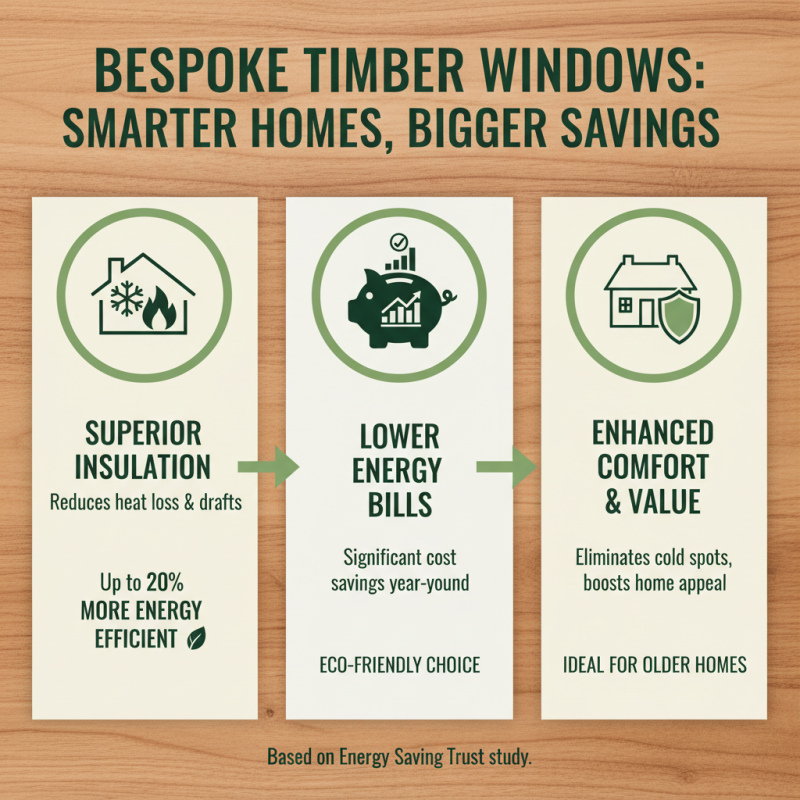
Bespoke timber windows offer numerous advantages that make them a standout choice for homeowners. They provide superior insulation, which can significantly reduce energy costs. According to a study by the Energy Saving Trust, high-quality timber windows can improve energy efficiency by up to 20%. This is especially beneficial in older homes that often suffer from drafts.
Additionally, bespoke timber windows offer customization. Homeowners can choose designs that complement their architecture. This is unlike many other materials that come in standard sizes. A report from the National Timber Federation highlights that timber adds aesthetic value to properties, enhancing curb appeal. Many buyers prefer homes with bespoke features.
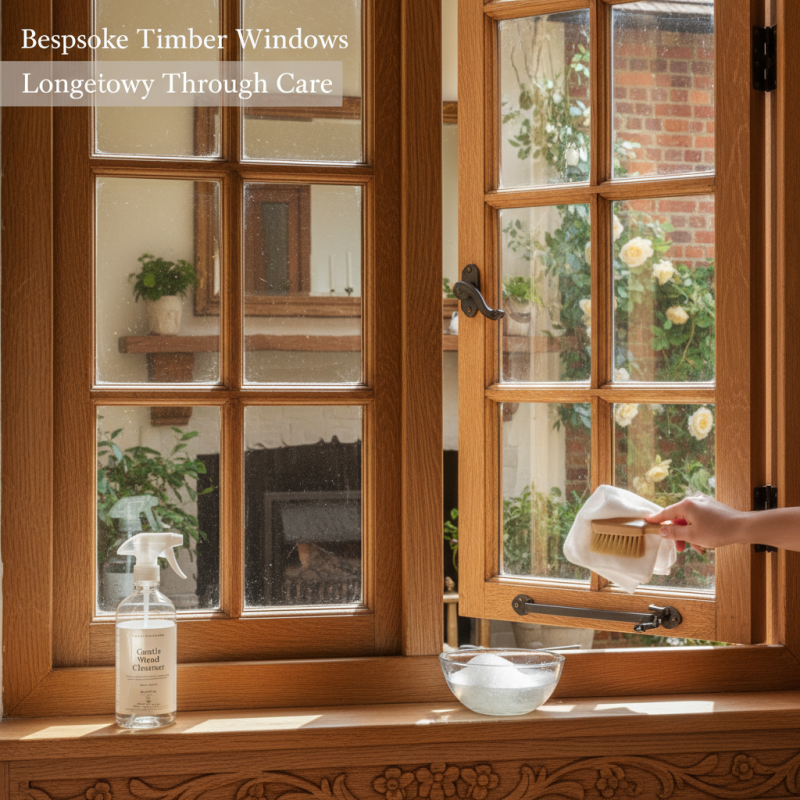
However, it’s essential to note that timber requires regular maintenance. Homeowners must be willing to repaint or refinish every few years to prevent rot and insect damage. This can be a drawback for some. Yet, the beauty and longevity of timber windows typically outweigh these concerns for those committed to upkeep. Sustainable sourcing is also a consideration; not all timber is sourced responsibly. This is a critical aspect to reflect on when making your choice.
Factors to Consider When Selecting Bespoke Timber Windows
When selecting bespoke timber windows, several factors demand attention. The type of wood is crucial. Different woods offer varying aesthetics and durability. For instance, hardwoods typically last longer than softwoods. However, they can be more expensive. Think about the climate where you live, too. Weather conditions affect how wood performs over time.
Design options should also be examined closely. Customization allows you to tailor windows to your home’s style. You might want traditional sash windows or modern casement designs. Each design choice impacts both functionality and appearance. Don't forget energy efficiency. Quality timber windows can enhance insulation. But it's vital to select features that suit your home's needs.
Finally, installation matters as much as the windows themselves. A poorly installed window can lead to leaks. Seek skilled professionals for this task. Consider the long-term implications of your choices. Sometimes, the design that looks good may not perform well. Reflect on both beauty and practicality for lasting satisfaction.
2026 Best Bespoke Timber Windows Options
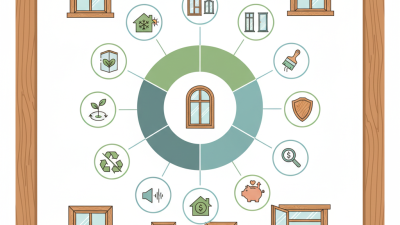
This chart shows the top factors considered when selecting bespoke timber windows for homes in 2026. Sustainability and Durability are the most prioritized factors, highlighting the growing trend towards environmentally friendly and long-lasting building materials.
Trends in Bespoke Timber Window Designs for 2026
As we approach 2026, bespoke timber window designs are evolving. Homeowners seek more than just functionality. They desire windows that reflect personal style and enhance aesthetics. A blend of traditional craftsmanship and modern innovation is gaining popularity. For instance, larger panes allow more light. This creates an inviting atmosphere. But, larger windows can raise heating costs. It's essential to balance beauty and practicality.
Sustainability is another trend in timber window designs. Many are turning to reclaimed wood. This adds character and reduces environmental impact. However, the sourcing can be tricky. Not all reclaimed wood is suitable for high-quality windows. Homeowners must research materials carefully. Moreover, color choices are diversifying. Natural finishes remain popular, but bold hues are making a statement. Deep blues and greens can create a striking contrast against stone facades. Still, these choices may not appeal to everyone.
Customization continues to be key. Unique shapes and sizes cater to individual preferences. However, this level of customization can affect cost and availability. Some may face delays in production. Each homeowner must weigh these factors against their vision. In the end, the right window design is an investment in both style and comfort.