Best Timber Windows in China for Global Buyers?
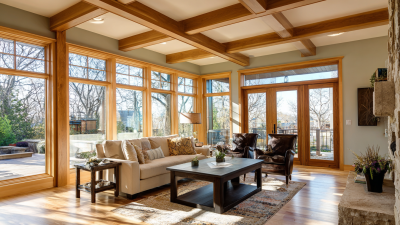
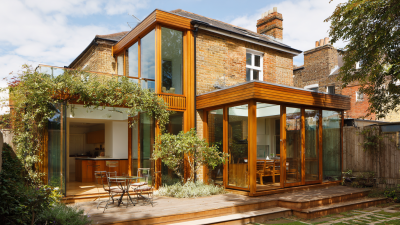
Timber windows have grown in popularity among global buyers. They offer durability and aesthetic appeal that many modern home designs require. In China, timber windows are crafted using advanced techniques and high-quality materials. This results in products that not only look fantastic but also last a long time.
However, selecting the best timber windows can be challenging. Buyers need to consider factors like wood type, craftsmanship, and insulation properties. While Chinese manufacturers provide various options, not all meet international standards. Some products may lack certification, affecting their reliability.
The market is vast, filled with both excellent and subpar choices. It’s essential to do thorough research before making decisions. Engaging with reputable suppliers who understand global requirements can lead to satisfactory purchases. Exploring reviews and seeking recommendations can also help navigate through potential pitfalls. With careful consideration, buyers can find the perfect timber windows to suit their needs.
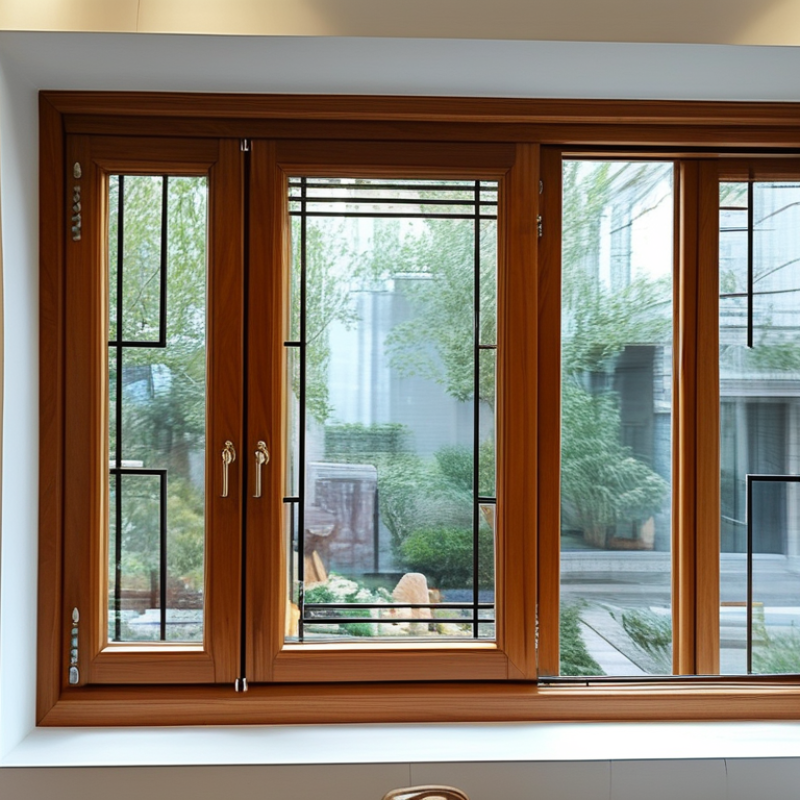
Overview of Timber Window Types Available in China
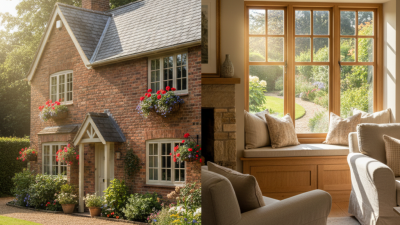
When exploring timber windows available in China, it’s important to understand the various types on offer. Windows made from softwoods, such as pine and fir, are common. They are typically light and economical. However, they may not offer the same durability as hardwood options. On the other hand, hardwood windows, often made from oak or teak, provide sturdiness and a classic aesthetic. Their longevity is appealing, but they come at a higher price.
Another option includes laminated timber windows. This design enhances stability by gluing several layers of timber together. It helps prevent warping and cracking. Many global buyers appreciate this innovation. For those looking for energy efficiency, triple-glazed timber windows offer superior insulation. They keep homes warm in winter and cool in summer.
Despite the variety, not all timber windows are manufactured to the same standards. Some may exhibit issues like poor craftsmanship or subpar materials. Buyers should consider thorough research and quality checks before making a purchase. Engaging with local suppliers and understanding the regional differences can lead to better choices. Timber windows are not only functional but also a significant investment in aesthetics.
Key Features of High-Quality Timber Windows
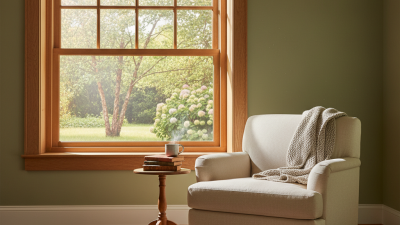
When searching for high-quality timber windows, several key features should be carefully considered. Durability is paramount. Well-crafted timber windows can resist weathering and last for years. Look for options that have undergone treatments to enhance their lifespan. Additionally, reliable timber sources ensure consistent quality. Sustainable practices in sourcing add another layer of assurance for environmentally conscious buyers.
Another critical feature is energy efficiency. Quality timber windows provide excellent insulation. They help maintain indoor temperatures and reduce energy costs. Pay attention to the windows' thermal performance ratings, which indicate their effectiveness. Clean lines and thoughtful designs also play a significant role. Aesthetic appeal can elevate the overall look of a property.
While there are many options available, not every product will meet high standards. Buyers should be wary of overly cheap alternatives. These may cut corners in materials or construction techniques. Choosing windows requires careful thought and research. Understanding the nuances can lead to better decisions and long-term satisfaction with timber windows.
Top Manufacturers of Timber Windows in China
When it comes to timber windows, China has emerged as a prominent hub for manufacturers. The demand for timber windows is rising globally due to their aesthetic appeal and energy efficiency. In China, several manufacturers prioritize high craftsmanship, sustainability, and innovation in their products. This ensures that the timber windows can withstand various environmental factors while providing customers with durability.
For buyers, it can be challenging to navigate the landscape of timber window manufacturers. Look for companies with a strong track record in quality control. Reading reviews from previous clients can provide insights into their reliability. Moreover, it's beneficial to evaluate the sourcing of timber. Sustainable practices are essential. Ask manufacturers about their wood certification and environmental policies.
When choosing timber windows, consider aesthetics and functionality. Select designs that suit your project needs while maintaining energy efficiency. Ensure the windows are tested for performance under different climatic conditions. This may require further research or a conversation with suppliers. It’s essential to reflect on the installation process as well. Poor installation can lead to long-term issues, regardless of the window's quality. Always seek expert advice when necessary to avoid common pitfalls.
Export Regulations and Standards for Timber Windows
When considering timber windows from China, global buyers must navigate complex export regulations and standards. These regulations ensure the quality and sustainability of timber used in manufacturing. According to the China Timber and Wood Products Distribution Association, approximately 70% of timber exports must meet international standards such as ISO 9001 for quality management and FSC certification for sustainability.
Export regulations also address treatment for pests and diseases. The International Plant Protection Convention outlines specific requirements to prevent the spread of invasive species through timber products. Failures in meeting these standards can lead to shipment delays and financial losses. Reports from the General Administration of Customs in China indicate that a significant percentage of rejected shipments relate to non-compliance with pest control measures.
Additionally, various countries have their own regulations. For instance, the EU has stringent guidelines on phthalates and other substances in timber products. This creates challenges for manufacturers in China, who must stay updated on both local and international laws. The complexity of navigating these regulations can be daunting for exporters and manufacturers alike, highlighting the need for expert guidance and ongoing training in compliance practices.
Best Timber Windows in China for Global Buyers - Export Regulations and Standards
| Dimension |
Specification |
Standards Compliance |
Common Timber Types |
Export Regulations |
| Width |
600mm - 1200mm |
ISO 14001 |
Pine, Oak, Teak |
Fumigation Certificate |
| Height |
600mm - 2400mm |
CE Marking |
Mahogany, Maple |
Customs Declaration |
| Thickness |
40mm - 100mm |
GB/T 17657 |
Bamboo, Larch |
Quality Control Testing |
| Finishing Options |
Painted, Stained, Natural |
EN 14351-1 |
Fir, Spruce |
Packaging Standards |
Comparative Analysis of Prices for Global Buyers
When considering timber windows in China, one must examine the price variations crucial for global buyers.
According to a report by the China Timber Industry Association, the average price for high-quality timber windows ranges from $300 to $800 per unit.
Factors influencing these prices include wood type, craftsmanship, and design complexity.
Tips: Look for local suppliers who have favorable reviews. This can help in getting a better deal on quality products. Seasoned buyers often use online marketplaces to compare pricing, ensuring they do not overpay.
Research shows the demand for sustainable timber is rising. Buyers should expect to pay a premium for eco-friendly options. Interestingly, the cost can differ by as much as 20% based on geographical location within China. Therefore, buyers should consider regional production hubs for better pricing.
However, not all suppliers maintain high standards. A cheap price can indicate lower quality. Always verify the supplier's credibility. Quality windows ensure longevity and reduce future costs due to repairs.