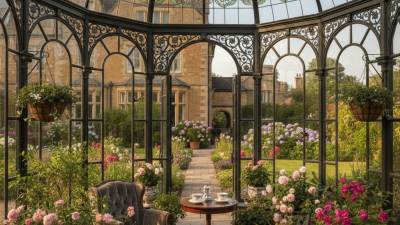
Why Choose a Victorian Sunroom for Your Home Design?
When it comes to home design, the Victorian Sunroom stands out as a timeless addition. This architectural feature combines elegance with functionality, offering homeowners a unique space infused with natural light. The intricate details of Victorian design bring charm, making your home feel more inviting. However, careful planning is crucial. A poorly placed sunroom can disrupt your home’s flow.
Considering a Victorian Sunroom also involves understanding your local climate. Sunrooms excel in moderate weather but can require extra insulation in harsher climates. This choice isn't always straightforward. It’s essential to weigh the pros and cons thoroughly. Ultimately, a well-designed Victorian Sunroom can enrich your living experience, blurring the lines between indoor and outdoor spaces.
Embracing this elegant style allows for creativity in decor and functionality. From morning coffee to cozy reading nooks, the possibilities are numerous. A Victorian Sunroom could become your favorite retreat, offering peace and serenity. With the right approach, this unique space can enhance both beauty and comfort in your home.
The Historical Significance of Victorian Architecture in Sunrooms
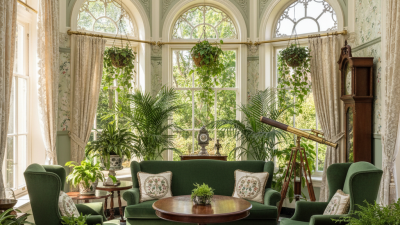
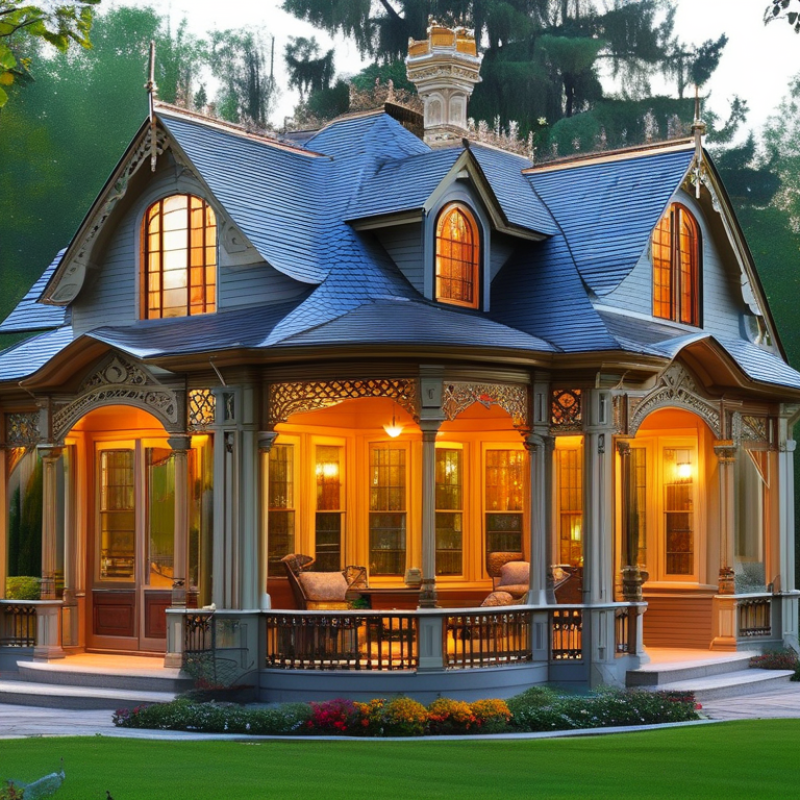
Victorian architecture is an iconic style that emerged in the 19th century. It is characterized by ornate details, vibrant colors, and an emphasis on craftsmanship. Sunrooms built in this style reflect these unique design elements. The use of large windows creates a seamless connection with nature, allowing abundant sunlight to flood into the space. This design promotes a relaxing environment, perfect for enjoying plants or a good book.
Tips for incorporating a Victorian sunroom into your home include focusing on details. Consider using intricate moldings and stained glass. These elements evoke the era's elegance. Select colors that reflect Victorian vibrancy. Jewel tones can enhance the warmth of the room, making it inviting.
Another point of reflection is ensuring functionality. A Victorian sunroom should not only be beautiful but also serve a purpose. Think about furniture selection. Comfortable seating encourages use, while practical layouts improve flow. Balancing style with utility is essential for a livable space.
Key Features of Victorian Sunrooms That Enhance Home Aesthetics
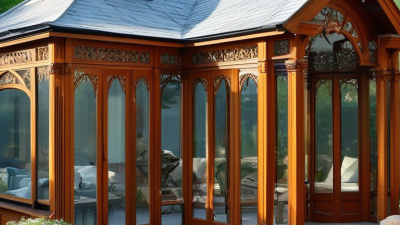
Victorian sunrooms are a unique blend of elegance and functionality. These spaces typically feature large, ornate windows and intricate wooden details. The design allows for natural light to pour in, making the room feel inviting and warm. According to a recent study by the National Association of Realtors, homes with sunrooms can increase property value by up to 20%. This statistic emphasizes the importance of incorporating such design elements.
One defining characteristic of Victorian sunrooms is their use of vintage materials. Solid wood frames, stained glass, and decorative moldings create an atmospheric setting. Studies show that these features resonate with buyers looking for charm and character. A well-designed sunroom can enhance visual appeal, drawing attention to the exterior of the house. However, the challenge lies in balancing modern needs with traditional design. Some homeowners find it difficult to integrate technology without compromising the aesthetic.
Furthermore, the layout of Victorian sunrooms promotes flow within the home. They often connect to gardens or outdoor spaces, merging nature with indoor living. This connection can foster a sense of tranquility. However, maintaining such a space can require additional effort. Keeping windows clean and ensuring proper insulation are ongoing tasks. Homeowners must weigh these practical considerations against the beauty they bring.
Benefits of Adding a Victorian Sunroom to Your Living Space
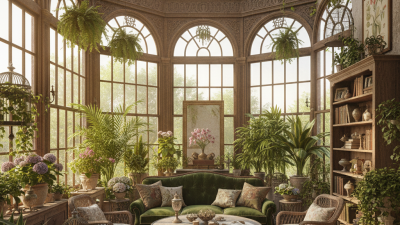
A Victorian sunroom can transform an ordinary space into a stunning retreat. These elegant structures often feature ornate details and large windows, creating a bright and inviting atmosphere. Imagine sipping a cup of tea in a room bathed in natural light, surrounded by lush greenery. The charm of a Victorian sunroom lies in its unique architectural elements. They draw the eye and add character to your home.
One significant benefit of adding a Victorian sunroom is increased living space. This extra area can serve various purposes. You might use it as a reading nook, a plant room, or even a small home office. Moreover, natural light promotes a cheerful environment, which can positively influence mood and productivity. It's essential to consider the layout and furnishings. A poorly planned space can feel cramped or uninviting, so thoughtful design is crucial.
Incorporating a Victorian sunroom can enhance property value as well. Buyers often appreciate additional unique living areas. However, keep in mind that maintenance costs can be high. Regular upkeep of windows and frames is necessary to maintain its beauty. A poorly maintained sunroom can detract from your home's appeal. Balancing aesthetics with functionality is key in creating a space that reflects both style and practicality.
Design Elements to Consider When Creating a Victorian Sunroom
Creating a Victorian sunroom involves a careful balance of aesthetics and functionality. One major design element is the choice of large, multi-paneled windows. These windows maximize natural light, creating an inviting space. According to industry reports, homes with ample natural light can improve mental well-being by 15%.
Another important feature is the use of traditional materials, such as wood and wrought iron. These materials not only enhance the classic look but also provide durability. A study from the National Association of Home Builders indicates that homes with high-quality materials retain value, making them a sound investment.
When designing, consider the layout carefully. A well-planned layout can make the space feel larger and more open. However, dim corners or poorly positioned furniture can detract from the overall appeal. It's crucial to reflect on how you use the space to avoid common design pitfalls. Ultimately, attention to these elements can lead to a beautiful, functional Victorian sunroom.
Why Choose a Victorian Sunroom for Your Home Design?
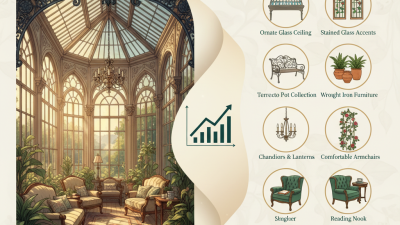
This bar chart illustrates the various design elements to consider when creating a Victorian sunroom, showcasing their importance based on homeowner preferences.
Maintenance and Care Tips for Your Victorian Sunroom
Maintaining a Victorian sunroom involves a mix of regular cleaning and occasional repairs. Start with the windows. They may require frequent washing to keep the natural light shining through. Dust can quickly accumulate on the intricate moldings, so use a soft, dry cloth to gently wipe them away.
Consider the material of your sunroom. Wooden frames might need repainting every few years. Inspect for signs of rot or damage, especially around the base. It's best to address issues early to prevent more significant problems later.
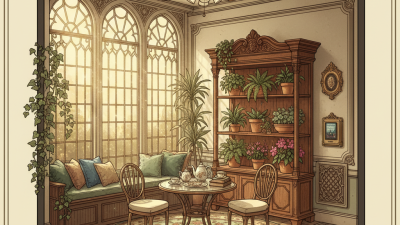
The plants you choose can also influence maintenance. Some plants require more humidity, which may affect the room's structure over time. Be mindful of watering routines to avoid mold growth. Regularly check for pests that might invade your beautiful space. Ultimately, your Victorian sunroom can be a delightful oasis with a little attention and care.
Why Choose a Victorian Sunroom for Your Home Design? - Maintenance and Care Tips for Your Victorian Sunroom
| Aspect |
Details |
| Design Style |
Classic Victorian architecture with ornate details. |
| Materials |
High-quality wood, decorative glass, and wrought iron. |
| Purpose |
An area for relaxation, gardening, or socializing. |
| Maintenance Frequency |
Regular cleaning every few months; yearly inspections of structures. |
| Care Tips |
Use gentle cleaners, check for leaks, and maintain window seals. |
| Plant Maintenance |
Choose appropriate plants that thrive in sunlight; regular watering and pruning. |
| Seasonal Adjustments |
Provide shade in summer; ensure adequate heating in winter. |
| Insulation |
Consider window treatments for temperature control; upgrade frames as needed. |