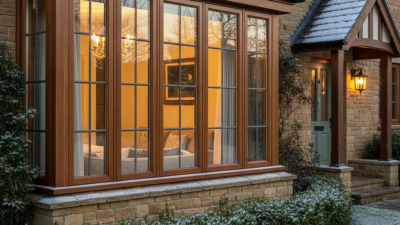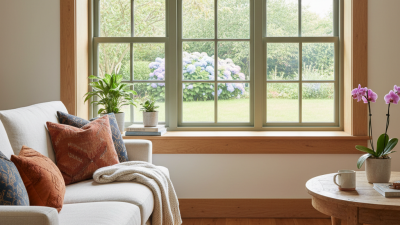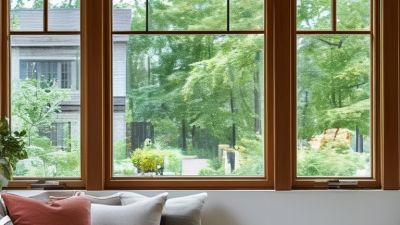
Choosing the best Timber Windows for your home involves more than comparing prices or copying a neighbour’s design. Timber affects insulation, appearance, durability, maintenance, and the building’s environmental footprint. The right choice should suit your climate, wall construction, glazing needs, and conservation requirements.
Recent industry research gives useful direction. The International Energy Agency reports that buildings account for roughly 30% of global final energy consumption. Windows remain a major source of heat loss, especially in older homes. The U.S. Department of Energy also notes that low-emissivity glazing can significantly reduce heat transfer when correctly specified. Meanwhile, Grand View Research identifies growing demand for sustainable window materials, partly because timber is renewable when sourced from responsibly managed forests. These figures matter, but they do not replace careful measurement. A beautifully rated window can still perform poorly after careless installation.
Chris Long, technical director at the Wood Window Alliance, states: “The best timber window is designed, manufactured, installed, and maintained as one complete system.” That principle is easy to overlook. Look closely at the frame joints, drainage channels, coating quality, glazing spacers, and certification. Touch the sample. Check how smoothly the sash closes. Ask whether replacement parts will remain available in twenty years.
There is no perfect specification.
A slim historic frame may sacrifice some thermal performance. A thicker modern frame may feel visually wrong. My own preference can also become a weakness if appearance dominates practicality. This guide will help you compare materials, glass, opening styles, energy ratings, maintenance demands, and installer credentials before making a confident decision.
Choosing timber windows should begin with your home’s actual needs, not a catalogue image. Record each opening’s direction, size, room use, and exposure to rain or strong sun. A south-facing sitting room may need solar control, while a shaded bedroom may prioritise daylight.
The U.S. Department of Energy reports that windows can account for around 25–30% of household heating and cooling energy use. This makes glazing, frame quality, and installation equally important. Timber feels warm and tactile, but it still needs regular inspection.
Ask whether your priority is insulation, ventilation, heritage character, noise reduction, or easier maintenance. You may need several answers. For example, a street-facing study could require laminated acoustic glass, while a kitchen may benefit more from secure ventilation. Check the window’s U-factor and solar heat gain coefficient through independent certification data. Lower U-factors generally indicate better insulation. However, the lowest number is not automatically the best choice for every climate. This is where judgement matters.
Tips:
Walk through the house at different times of day. Notice cold glass, glare, condensation, and outside noise. Photograph each window before requesting quotations. Compare whole-window performance, not frame material alone. Ask installers how they manage sill drainage and airtightness. The Energy Saving Trust notes that poor installation can undermine otherwise efficient windows. I would also budget for repainting and seal checks. Timber is durable, but it is not maintenance-free. That small inconvenience is easy to underestimate.
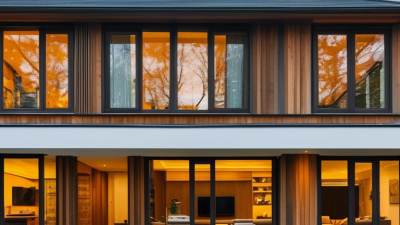
Choosing timber windows starts with matching the wood to your climate and maintenance habits. Oak is dense and strong, with a pronounced grain, but it can be heavy and costly. Sapele offers good durability and a warm reddish tone when properly finished. Pine is lighter and often more affordable, though exposed surfaces need careful protection. Feel the grain. Ask whether the timber is sustainably sourced and kiln-dried, and check how it has been treated against moisture and decay.
Species alone does not determine quality. Look for straight, well-seasoned sections with few loose knots, splits, or uneven joints. Check that corners fit tightly and coatings cover edges, where water can enter. A neat finish helps, but it cannot compensate for poorly prepared wood. It is easy to overvalue a species name; construction details often matter just as much.
Structural performance depends on frame dimensions, joint strength, hardware, and the weight of the glazing. Large panes place greater demands on hinges and frame sections. In windy or wet locations, ask the supplier to confirm that the proposed design suits the opening size and local exposure. Timber moves as humidity changes, so allow for proper installation and drainage. A small detail, but an important one. Compare written specifications, not just samples, and have an experienced installer assess unusual openings.
Glazing should be judged before frame appearance. The U.S. Department of Energy reports that windows can cause 25–30% of household heating and cooling energy use. Choose low-emissivity double glazing for most homes. Triple glazing may suit colder climates, but it adds weight and cost. A lower U-factor means better insulation. Check the solar heat gain coefficient too. South-facing glass can create uncomfortable summer heat.
Timber frames need careful weather protection. Look for tested air leakage, water resistance, and wind-load performance. European standards EN 12207, EN 12208, and EN 12210 provide useful comparison points. Ask for the complete window’s test results, not only the glass specification. A drainage path, sealed joints, and sloped external sills matter during heavy rain. Small installation gaps can defeat expensive glazing.
Maintenance deserves honest attention. Timber is renewable and repairable, but it is not maintenance-free. The U.S. Department of Energy recommends inspecting exterior finishes and renewing them when deterioration appears. In practice, neglected lower rails often show damage first. I would not choose purely by the lowest U-factor. A slightly less efficient window, installed correctly and maintained well, may perform better for decades. Check condensation risks, opening direction, and local exposure before deciding.
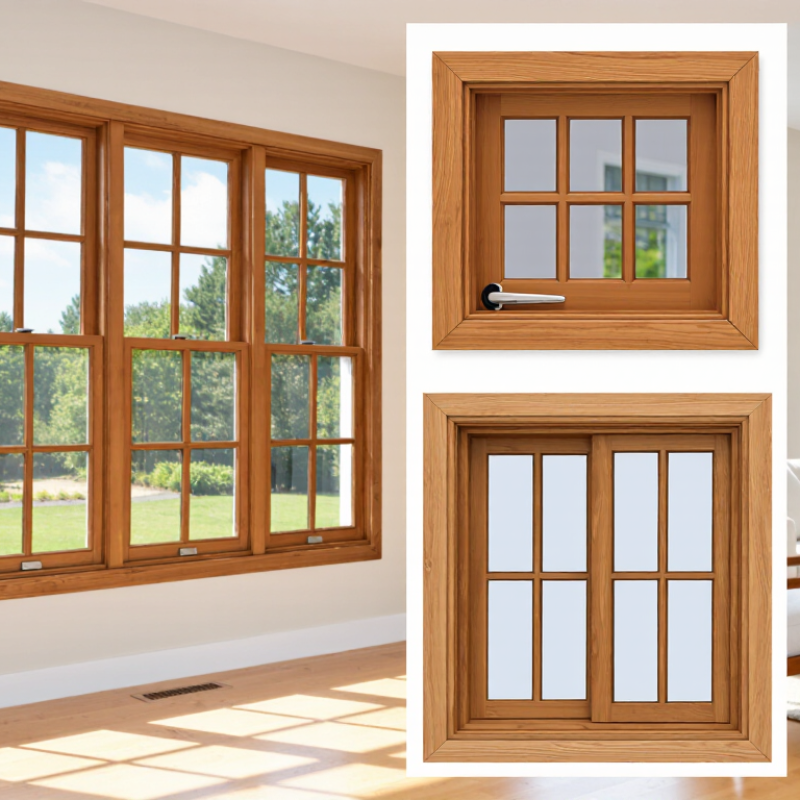
Timber windows should fit the room’s use, not just its façade. Casement windows open wide and help direct breezes indoors, while sliding sashes suit narrow paths where an outward-opening window would obstruct movement. In a kitchen, check that handles clear taps and worktops. In bedrooms, consider whether the opening is easy to reach and clean. Small details matter.
Size affects daylight, ventilation, and energy performance. The U.S. Department of Energy estimates that heat gain and loss through windows account for 25–30% of residential heating and cooling energy use. That figure is a reason to compare performance, not to choose the smallest window. Check the National Fenestration Rating Council label for U-factor and solar heat gain coefficient, then match ratings to your climate and orientation. Bigger glass may brighten a dim room, but it can also increase summer heat.
Choose the opening mechanism around daily habits. Hinged casements can provide a broad opening, while tilt-and-turn designs offer more controlled ventilation and easier cleaning from indoors. Timber frames need room for seasonal movement and regular care; damp corners deserve extra attention. I would question a beautiful design if its sash is awkward to operate. Test the handle reach, opening arc, and cleaning access on a plan before ordering. No style wins everywhere.
Under the 2021 International Residential Code (IRC), emergency escape and rescue windows generally need a minimum net clear opening of 5.7 square feet; openings at grade-floor level may be 5.0 square feet. The opening must also be at least 20 inches wide and 24 inches high, with the sill no more than 44 inches above the floor. These measurements apply to the clear opening—not the frame or glass size. Check local code requirements, and confirm that your chosen window style and opening mechanism provide the required clear area.
Timber windows can perform well for decades, but installation quality matters as much as the timber itself. Check that the installer measures each opening carefully and allows for the wall’s condition. Ask how the frame will be sealed against rain and drafts. A poorly fitted window can waste heat and let water reach the surrounding timber. Small gaps matter.
Maintenance affects both cost and appearance. Inspect the paint or protective finish each year, especially along lower frame edges and joints where rainwater collects. Clean away dirt, and repair cracked coatings before moisture gets in. Your local climate changes the workload: exposed, wet elevations may need attention sooner than sheltered ones. Budget for periodic finishing, hardware checks, and repairs. A low purchase price may not stay low if upkeep is neglected. Long-term value depends on sound installation, repairable components, and how well the windows suit your home. It is easy to underestimate maintenance time.
Tips: Get itemized quotes covering fitting, finishing, and disposal. Ask who handles repairs if a frame sticks after installation. Keep a little extra in the budget; old walls can reveal surprises.