How to Choose the Best Wood Casement Windows for Your Home?
Choosing the best wood casement windows for your home is a crucial decision. They provide elegance and improve energy efficiency. According to the National Association of Home Builders, wood windows can reduce energy consumption by up to 25%. This makes them an attractive choice for homeowners seeking sustainable options.
Renowned window expert, Peter Hughes, states, "Wood casement windows offer a timeless look while providing excellent insulation." This highlights the dual benefits of aesthetics and functionality. However, not all wood casement windows are created equal. Factors such as wood type, frame construction, and glazing options significantly influence performance and durability.
Many homeowners often overlook the importance of choosing the right material. Selecting low-quality wood can lead to issues like warping and rot over time. It's essential to balance beauty with maintenance requirements. Investing in high-quality wood casement windows can enhance your home's value and long-term satisfaction.
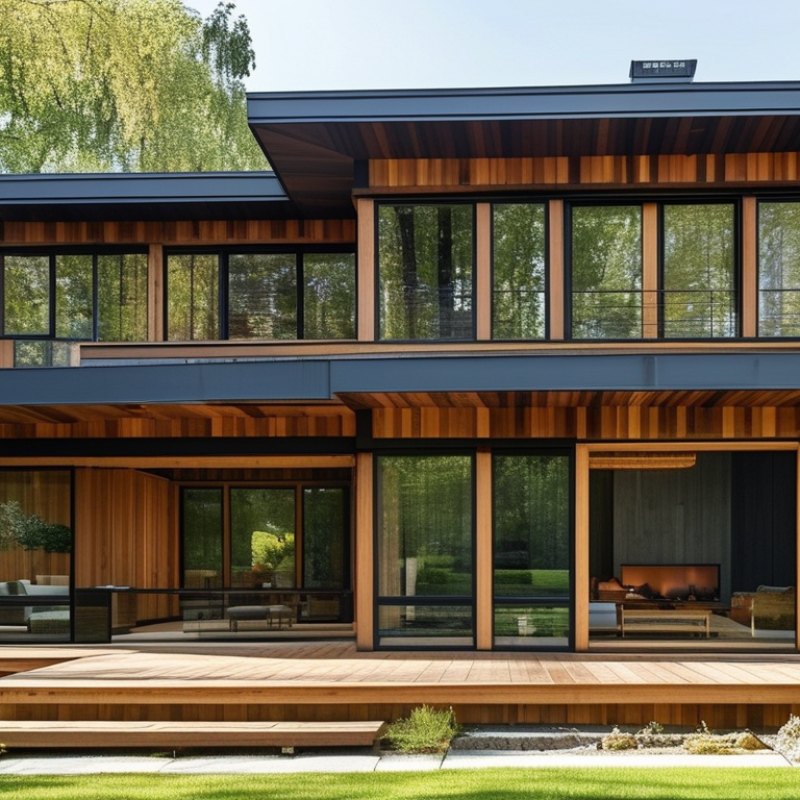
Understanding the Benefits of Wood Casement Windows for Your Home
Wood casement windows offer numerous benefits for homeowners. They provide excellent ventilation, as they open outward, allowing fresh air to flow freely into your home. This design also minimizes drafts and keeps your living space comfortable. The ability to control airflow enhances indoor air quality, which is vital for health.
In addition to practical advantages, wood casement windows have aesthetic appeal. They bring warmth and charm to any architectural style. You can customize their finish, matching them perfectly with your home’s design. Potential buyers often appreciate the elegance of wood, making these windows a smart investment.
However, it’s important to note the maintenance challenges. Wood requires regular upkeep to prevent rot and warping. Homeowners should weigh the beauty and benefits against maintenance needs. This reflection can guide your decision, ensuring you choose the right windows for your lifestyle.
Key Features to Consider When Selecting Wood Casement Windows
When selecting wood casement windows, key features greatly influence your choice. Consider the type of wood used. Species like pine, oak, or mahogany each offer unique aesthetics and durability. Pine is budget-friendly. Oak boasts strength, while mahogany offers elegance and can withstand harsh weather. Weigh these options based on your home's style and climate.
Next, focus on energy efficiency. Double or triple glazing can significantly reduce energy loss. Look for windows with a good energy rating. They will help maintain a comfortable interior climate and lower utility bills. Don't overlook hardware quality and finish. Strong hinges and locks enhance functionality and security. Ensure that the design complements your home, enhancing its overall look.
Finally, consider the maintenance needs. Some woods require regular staining or sealing. Others may need less upkeep. Think about your schedule and willingness to maintain your windows. Choosing the right wood casement window involves careful consideration of these features, ultimately affecting your home's comfort and style.
How to Choose the Best Wood Casement Windows for Your Home? - Key Features to Consider When Selecting Wood Casement Windows
| Feature |
Description |
Importance |
Considerations |
| Material Quality |
Type of wood used, durability, resistance to weather |
High |
Look for types like mahogany, oak, or pine |
| Energy Efficiency |
Insulation properties and double glazing options |
High |
Check for ENERGY STAR ratings |
| Style Options |
Variety of designs and finishes available |
Medium |
Choose style that matches your home architecture |
| Maintenance |
Required upkeep such as painting or sealing |
Medium |
Consider pre-finished or low-maintenance options |
| Cost |
Price range based on features and quality |
High |
Set a budget before starting your search |
Comparing Different Wood Types for Casement Windows Durability
When choosing wood casement windows, the type of wood significantly impacts durability. Oak, for example, showcases excellent strength and resistance to wear. According to a report by the American Wood Council, oak can last over 30 years in average conditions, making it a preferred choice for many homeowners.
Pine is softer, offering less durability and lifespan. It may only last 15-20 years, especially in humid climates. Certain treatments can enhance its longevity, yet these do not always guarantee the same level of durability as hardwoods. Homeowners often face a trade-off between cost and long-term performance.
Another wood to consider is mahogany. This species is naturally resistant to moisture, minimizing the risk of warping or rotting. Data indicates that it can outlast many hardwood alternatives. However, its higher price point can be a barrier for some. Choosing the right wood type requires careful consideration of local climate and maintenance plans. Each option presents benefits and potential drawbacks, making informed choices essential.
Evaluating Energy Efficiency Ratings in Wood Casement Windows
When selecting wood casement windows, evaluating energy efficiency is critical. Energy-efficient windows can drastically reduce your energy bills. Look for windows with low U-factors, which gauge heat transfer. A lower U-factor means better insulation. Additionally, check for a high R-value. This value indicates a window's resistance to heat flow.
Consider the glazing options too. Double or triple glazing provides better thermal performance. Triple-glazed windows are more efficient but can be costly. Weigh the upfront costs against potential long-term savings. It’s a common dilemma. Will the expense be worth it? Think about climate and location. An energy-efficient window in a colder area may yield better returns than in a mild climate.
Remember, not all wood windows are created equal. Research the materials used in the frames and coatings. Sustainable sourcing can impact performance and durability. A window with quality wood but lacking proper seals may still allow drafts. Addressing these factors can guide you towards smarter choices. Prioritize reliability for long-lasting comfort in your home.
Energy Efficiency Ratings of Wood Casement Windows
Installation and Maintenance Tips for Wood Casement Windows
When choosing wood casement windows, installation and maintenance play crucial roles. Proper installation enhances energy efficiency and aesthetics. It's important to ensure the windows fit snugly in the frame. Gaps can lead to air leaks. Use a level to check alignment during installation. Seal all gaps with weatherstripping to prevent drafts.
Maintenance is equally vital for longevity. Regularly inspect the window frame for signs of moisture. Use a gentle cleaner on the wood to avoid damage. It’s common to overlook detailed checks. Pay attention to the hinges; they require lubrication. A little attention now can prevent major repairs later.
Here are some tips to consider. Clean the window regularly with a soft cloth. Ensure the wood is protected with a quality finish. Consider reapplying the finish every few years. Monitor the weatherstripping for wear and replace it as needed. Even small issues can become costly if left untreated.