How to Choose High Performance Windows for Your Home?
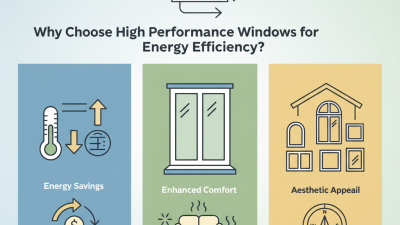
Choosing high performance windows for your home can be daunting. According to industry expert, Dr. Emily Hart, “The right windows can significantly impact energy efficiency.” High performance windows offer superior insulation, reducing energy costs and increasing comfort. However, not all windows are created equal.
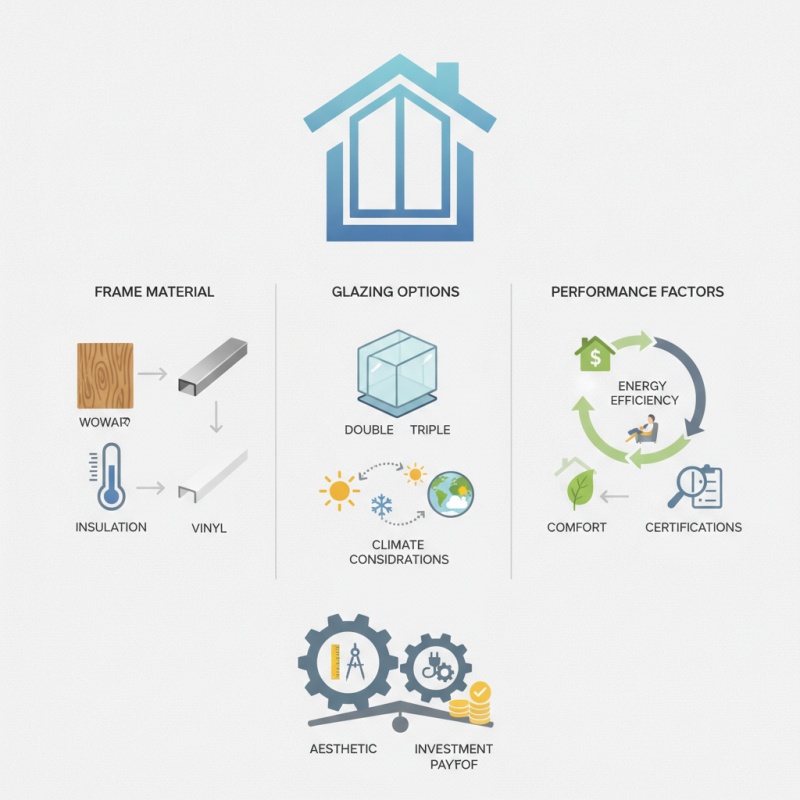
When selecting high performance windows, consider factors like frame material, glazing options, and local climate. Double or triple glazing can enhance insulation, but might not be necessary in warmer areas. A good window should balance aesthetic appeal and functional efficiency.
Many homeowners overlook these factors, leading to regrets later. It’s vital to investigate the product specifications and certifications. High performance windows can vary greatly in quality. Take your time, consult professionals, and reflect on your needs. With informed choices, your investment will pay off in comfort and savings.
Understanding Energy Efficiency Ratings for Windows
When choosing windows for your home, energy efficiency is key. Understanding energy efficiency ratings helps you make informed selections. Common ratings include U-factor, Solar Heat Gain Coefficient (SHGC), and Visible Transmittance (VT). Each rating reveals how well a window prevents heat loss, blocks solar heat, and lets in natural light.
Tips: Check the U-factor. Lower numbers mean better insulation. Look for windows with a U-factor of 0.30 or lower for optimal performance.
The SHGC is another crucial measurement. A lower SHGC value indicates lower solar heat absorption. This is particularly important in warmer climates where cooling costs are high. Too much heat gain can lead to increased air conditioning demands.
Tips: If you live in a sunny area, choose windows with low SHGC ratings. This can save energy and enhance comfort. Remember, energy-efficient windows may cost more upfront but offer savings over time through reduced bills.
Consider the Visible Transmittance (VT) as well. It measures how much natural light passes through the window. Higher VT ratings are preferable for brighter interiors. Yet, balance is essential; too much light can lead to discomfort and heat buildup. Choose wisely based on your room's needs and orientation.
Energy Efficiency Ratings of Windows
Types of High-Performance Windows Available
When choosing high-performance windows, it's essential to understand the different types available. The most common types include double-glazed, triple-glazed, and low-E (low emissivity) windows. Double-glazed windows contain two panes of glass with a sealed air space between them. This design significantly reduces heat transfer. Triple-glazed windows take this a step further with three panes, providing even better insulation.
Low-E windows have a special coating that reflects heat back inside during winter and keeps heat out during summer. This technology enhances energy efficiency. While these windows can be more expensive, the potential savings on energy bills can justify the cost.
Consider the frame materials too. Vinyl, wood, and fiberglass are popular choices. Vinyl is low-maintenance and energy-efficient. Wood offers great insulation but requires upkeep. Fiberglass is durable and resistant to weather changes. Reflect on what fits best for your home and budget. Remember, investing in high-performance windows requires thorough research and assessment of your specific needs.
Key Materials Used in High-Performance Windows
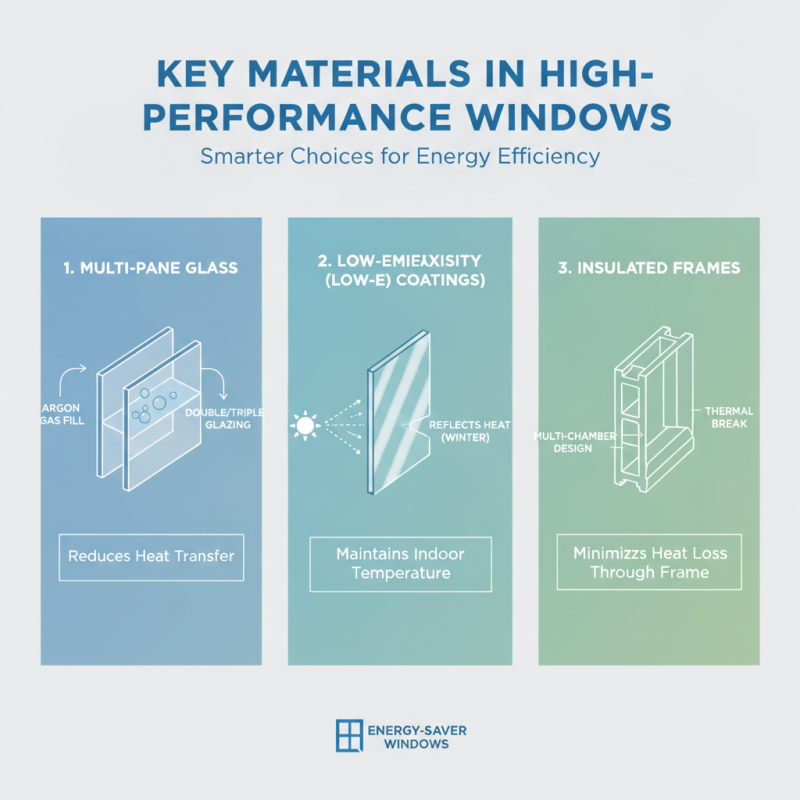
When selecting high-performance windows, understanding the key materials is essential. Good insulation properties often come from double or triple glazing. These windows contain layers of glass with gas fillings, like argon, to reduce heat transfer. Low-emissivity coatings can also be applied to glass surfaces, reflecting heat back indoors in winter. This helps maintain a steady indoor temperature.
Frame materials matter too. Vinyl and fiberglass frames are popular due to their durability and energy efficiency. They resist moisture and do not warp over time. Aluminum frames are strong but may require thermal breaks to improve insulation. Keep in mind that aesthetic choices can sometimes compromise performance. Appearance should balance with function, as some materials may look attractive but may not insulate well.
Your location impacts material selection. Coastal areas face salt corrosion, requiring specific frame materials. In colder regions, the focus should be on maximizing thermal resistance. Regular maintenance is crucial, as even high-quality materials can degrade without care. Understand your needs clearly to choose the right combination of materials and structure for your home.
Considerations for Climate and Location
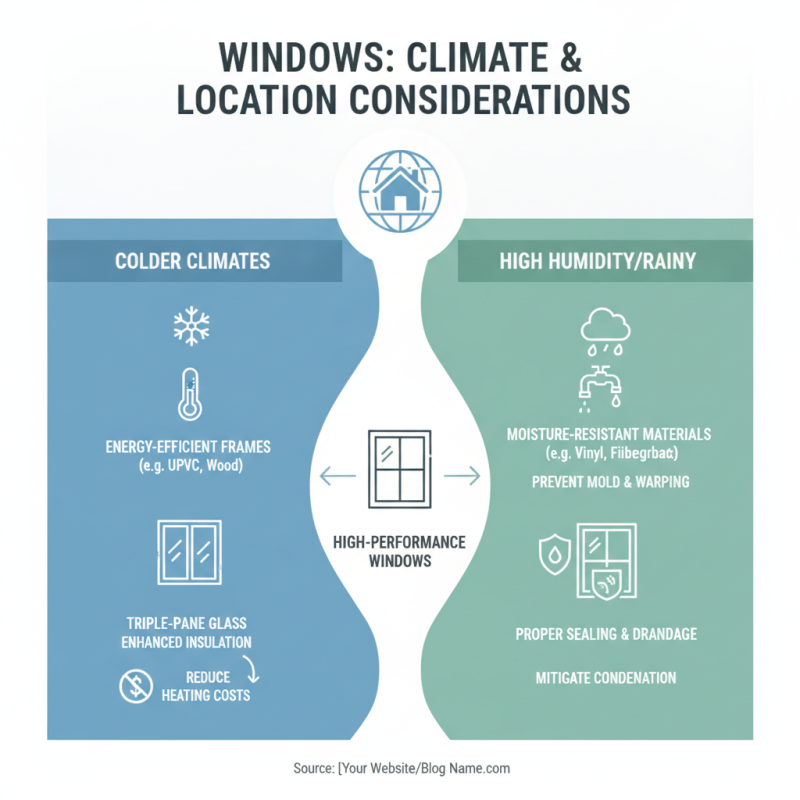
When selecting high-performance windows, consider your climate and location carefully. Different regions have unique weather patterns. For example, areas with high humidity need windows that can resist moisture. In colder climates, energy-efficient windows can significantly reduce heating costs.
Tips: Look for windows with a high energy rating. This indicates good insulation properties. Double or triple glazing is essential in colder areas to minimize heat loss. In warm climates, low-emissivity (low-E) coatings can reduce heat transfer.
Additionally, consider the orientation of your home. South-facing windows can capture sunlight, which is beneficial in winter. However, they can create overheating during summer months. Using shades or overhangs can help balance this. Emphasize natural ventilation by choosing windows that open easily. This can reduce reliance on air conditioning during milder months.
Remember, not all windows suit every climate. Reflect on how local weather will affect your choices. Investing time in research today can lead to lasting comfort in your home.
Installation Practices for Optimal Performance
When installing high-performance windows, proper techniques are crucial for achieving optimal benefits. Begin by ensuring the frame is level and square. This prevents gaps that can compromise energy efficiency. Use shims to adjust the window positioning. This may seem tedious, but it's essential for a tight seal.
Pay attention to flashing around the windows. Properly installed flashing directs water away from your home. Over time, a poor installation can lead to leaks and water damage. Check that the flashing overlaps correctly. This may feel labor-intensive, but the long-term benefits are significant.
Caulking is another detail to consider. A messy application may not provide the desired seal. Clean edges enhance both appearance and effectiveness. Take the time to smooth the caulk properly. This reflects the care you put into the entire installation process. Avoid rushing; a few extra minutes can save you from bigger issues later on.
How to Choose High Performance Windows for Your Home? - Installation Practices for Optimal Performance
| Window Type |
U-Factor |
SHGC (Solar Heat Gain Coefficient) |
Visible Transmittance |
Noise Reduction Rating |
| Double Glazed |
0.30 |
0.25 |
0.65 |
28 |
| Triple Glazed |
0.20 |
0.22 |
0.63 |
32 |
| Low-E Coated |
0.25 |
0.20 |
0.70 |
29 |
| Soundproof |
0.35 |
0.30 |
0.60 |
35 |