How to Choose Replacement Timber Windows for Your Home?
Choosing replacement timber windows can significantly impact your home's aesthetics and energy efficiency. According to a report by the American Institute of Architects, over 50% of homeowners consider window replacements when renovating. Replacement timber windows not only elevate visual appeal but also improve insulation and reduce energy bills. In fact, Energy Star claims that quality windows can save up to 15% on energy costs annually.
Selecting the right timber windows is crucial. The market offers various options, each with unique benefits. However, many homeowners hesitate. They often weigh price against quality and long-term value. A less expensive option may seem attractive, yet it can lead to higher maintenance costs later. Poor choices can lead to drafts and inefficiencies, undermining the benefits of window replacement.
Understanding your needs is vital. Different wood types affect durability and aesthetics. Some woods offer better resistance to weather elements. Others require more maintenance. A thoughtful selection process can prevent costly mistakes. Investing in quality replacement timber windows means considering not just immediate costs, but future savings and comfort.
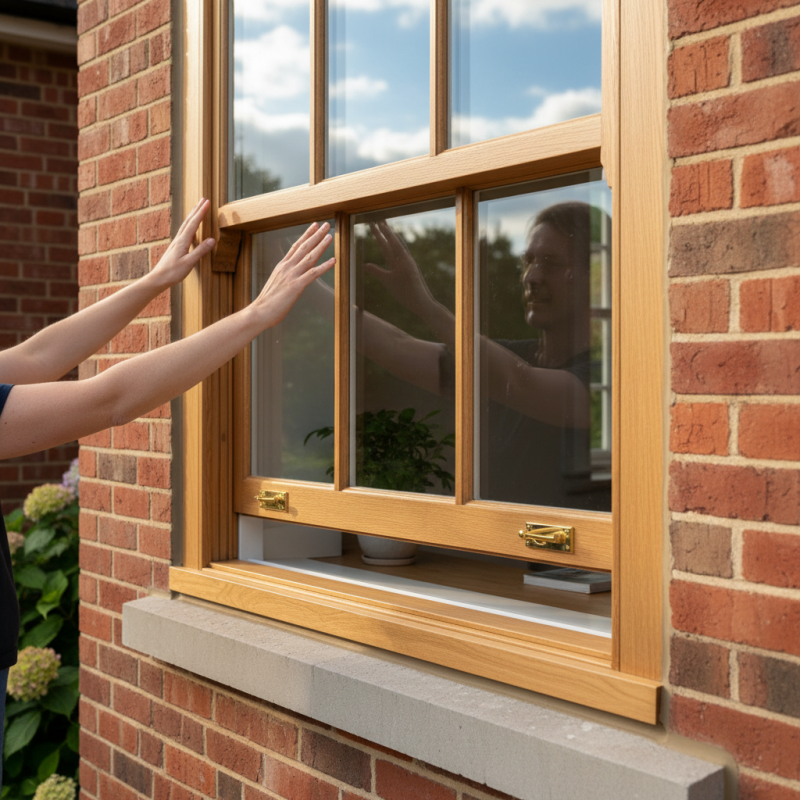
Understanding the Importance of Timber Windows in Home Design
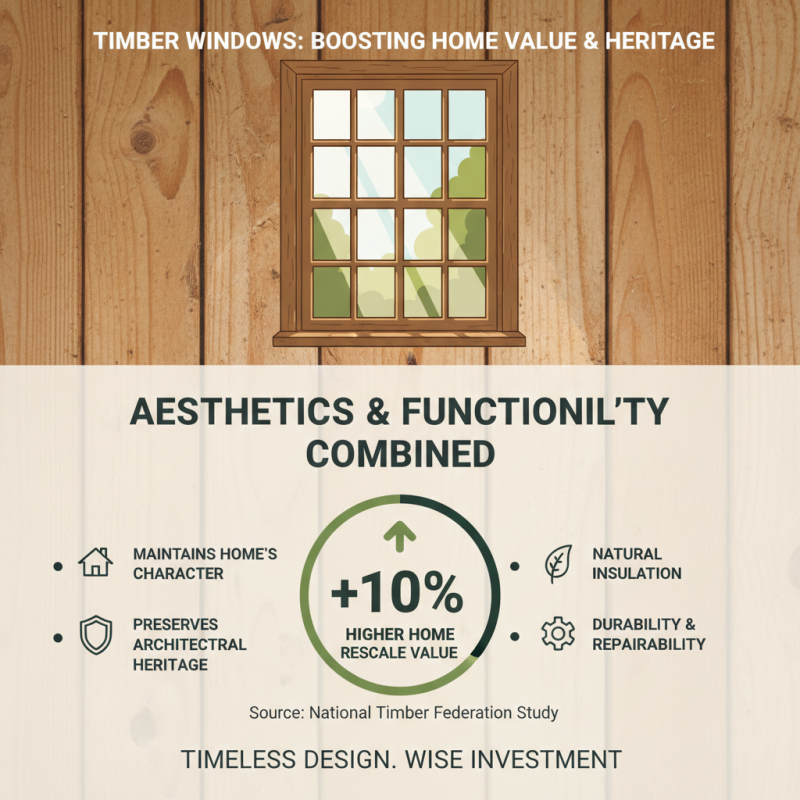
Timber windows play a vital role in home design. They blend aesthetics with functionality. A study from the National Timber Federation reveals that homes with timber windows can sell for 10% more than those with synthetic alternatives. This statistic underscores their value in maintaining a home's heritage and character.
Choosing the right timber windows involves balancing appearance and energy efficiency. Real timber offers excellent insulation, which can reduce energy bills by up to 25%. When selecting replacement timber windows, consider factors like style, finish, and environmental impact. Sustainable timber choices can further enhance energy efficiency while supporting eco-friendly practices.
Tips: Always check for certifications. Opt for windows featuring energy ratings and sustainable sourcing labels. Be cautious with certain styles that may not suit your home. A mismatched window style can detract from overall aesthetics. Regular maintenance is essential to prevent deterioration. Over time, neglect can lead to costly repairs. Stay vigilant in ensuring your timber windows remain in top condition.
Evaluating Different Types of Timber for Replacement Windows
When considering replacement timber windows, different wood types play a crucial role. Hardwoods like oak and maple offer exceptional durability. They provide strength against harsh weather conditions. Softwoods, such as pine, are more affordable but may require regular maintenance. According to a 2021 industry report, hardwoods can last up to 30 years longer than softwoods with proper care.
Tips: Always choose timber sourced from sustainable forests. This supports the environment and ensures quality. Look for certifications indicating the wood’s origin. While hardwoods provide longevity, softwoods can be treated to enhance durability. Regular inspections and maintenance can extend their lifespans.
Remember that each wood type has its drawbacks. Oak may warp if not properly sealed. Pine can scuff easily, leading to frequent repairs. A balance between cost and longevity is vital. Selecting the right timber takes time and thought. Don’t rush the decision. Evaluate the conditions your windows will face before making a choice. It’s good to reflect on your specific needs.
Comparative Analysis of Timber Types for Replacement Windows
Assessing Energy Efficiency and Insulation Properties
When choosing replacement timber windows, energy efficiency is key. You want windows that keep your home warm in winter and cool in summer. Look for products with high insulation values. Double-glazed windows provide better thermal performance than single-glazed options. The gaps between the panes trap air, preventing heat from escaping.
Also, consider the type of timber used. Some woods have better insulating properties than others. Hardwoods can be more durable but may not always offer the best insulation. Reflecting on this can be tricky, as aesthetics often play a significant role.
Additionally, the installation process impacts energy efficiency. Poorly aligned windows can let drafts in, negating insulation benefits. Pay attention to sealing and fitting. Use high-quality sealants to prevent air leakage. Even minor gaps can lead to significant energy loss over time.
Choosing the Right Style and Design for Your Home’s Aesthetic
Choosing replacement timber windows is more than just functionality. The
right style and design enhance your home’s aesthetic.
Consider how these windows fit with your existing architecture. A well-chosen window can tie your entire look together.
Tip: Look at your home’s style. Are you in a modern area,
or is it more traditional? This can guide your design choices.
For instance, sleek, minimal frames can suit contemporary homes. On the
other hand, ornate details may work better for classic designs.
Color plays a crucial role as well. Neutral tones can
blend seamlessly. However, bold colors can make a statement.
Think about the mood you want to set.
Tip: Don’t shy away from experimenting. A
darker frame against
light siding can create a
striking contrast. Also, reflect on the finish. Matte finishes might seem
pleasing today, but they could look dated in a few years.
Consider longevity.
Finding Reputable Suppliers and Installation Services for Timber Windows
When selecting timber windows, finding reputable suppliers is crucial. Research shows that about 30% of homeowners experience dissatisfaction due to poor installation. This often stems from unverified contractors. It’s essential to prioritize suppliers with solid track records and positive reviews. Look for companies that have been in the market for at least five years.
Many reliable suppliers offer detailed warranties. This is important because high-quality timber windows can significantly enhance your home's energy efficiency. According to a study by the Energy Efficiency Council, poorly installed windows can lead to a 30% increase in energy bills. Thus, investing in good installation services pays off.
Moreover, choosing local suppliers can provide distinct advantages. They understand the unique requirements of your area. Consider meeting potential contractors face-to-face. This interaction helps build trust and clarifies any uncertainties about the installation process. Always ask for recent references and view examples of previous work. Finding that perfect blend of quality and service can be challenging, but it is vital for a successful project.