How to Choose the Best Timber Windows for Your Home?
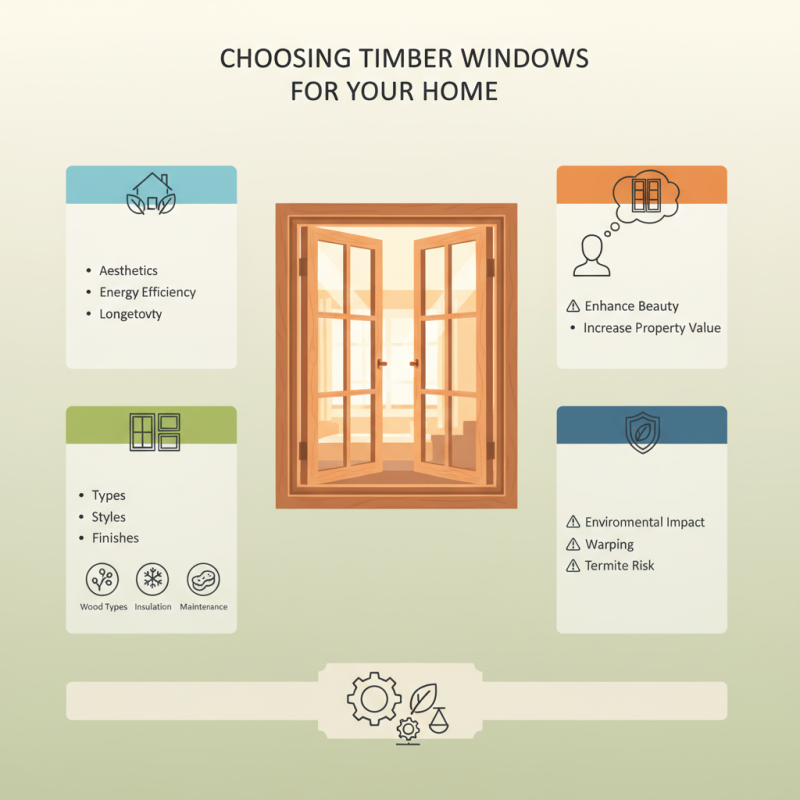
Choosing the right timber windows for your home is a crucial decision. According to industry expert John Woodson, "The right timber windows can transform a space." This choice impacts aesthetics, energy efficiency, and longevity. Properly selected timber windows not only enhance beauty but also increase property value.
Timber windows offer warmth and charm, making them a popular selection. However, selecting the best option can be overwhelming. With various types, styles, and finishes available, it’s vital to consider how they fit your home’s design. Pay attention to wood types, insulation ratings, and maintenance needs. Each detail matters.
While many love the appearance of timber, challenges exist. Environmental impact, potential warping, and termite risk are concerns. Reflect on these factors as you explore your options. Striking the right balance between beauty and practicality is essential. Quality timber windows deserve thought and care before making a final choice.
Factors to Consider When Choosing Timber Windows for Your Home
When selecting timber windows, several factors come into play. The type of wood matters significantly. Species like oak offer strength, while softer woods are easier to work with. Think about the climate too. A humid environment can affect wood quality. Some hardwoods resist moisture better than others, so choose wisely.
Next, consider the style of your home. Different timber designs suit various architectural styles. Traditional homes might benefit from classic sash windows, while modern designs may prefer sleek lines. Don't overlook insulation properties. Well-sealed windows can save on energy bills, but ensure they fit seamlessly into existing structures.
Remember to consider maintenance. Timber requires care to look its best. Regular painting or staining might be part of your routine. If you’re unsure, it’s worth seeking advice. You may find pleasing aesthetics come at the cost of extensive upkeep. Reflect on your priorities; striking a balance between beauty and practicality can be challenging but crucial.
Types of Timber Used in Window Construction and Their Benefits
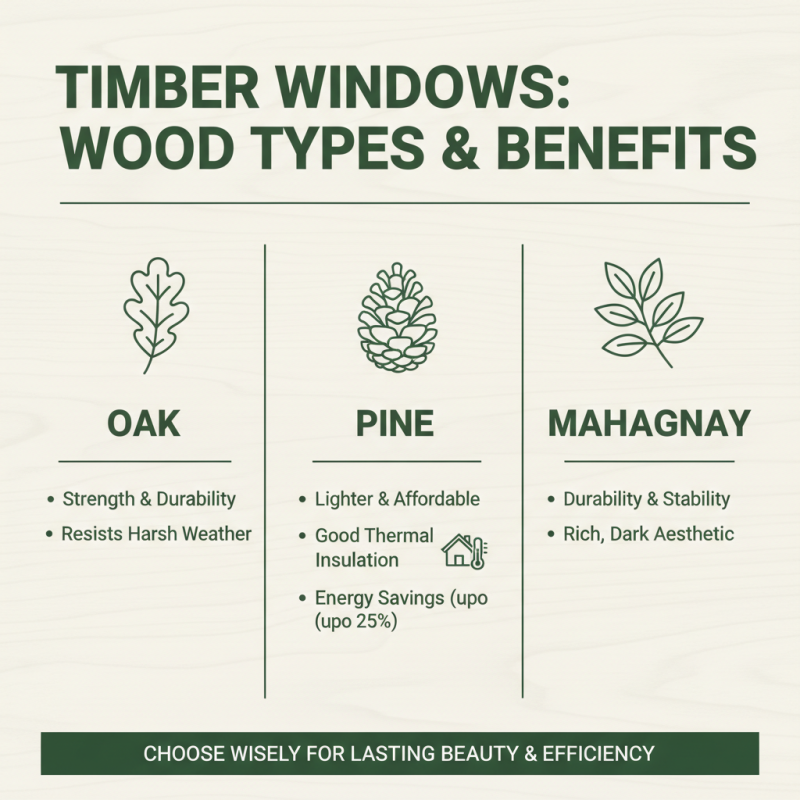
When selecting timber windows, the type of wood used is crucial. Common species for window construction include oak, pine, and mahogany. Each has its own unique benefits. Oak is known for its strength and durability. It withstands harsh weather well. Pine, on the other hand, is lighter and more affordable. It offers good thermal insulation properties. According to a recent industry report, wood windows can provide energy savings of up to 25% when properly sealed.
Mahogany stands out for its resistance to decay and beautiful appearance. This hardwood tends to enhance curb appeal. However, it can be expensive. Factors such as budget and climate should influence your choice. Many homeowners prefer pine due to its lower cost. Yet, it may require more maintenance over time. Weighing these aspects is vital for long-term satisfaction.
Another point to consider is sustainability. Using FSC-certified timber ensures responsible sourcing. Yet this certification can be hard to find, leading to choices that may not align with eco-friendly values. It's important to reflect on the sourcing of materials you choose. Ultimately, the right timber will balance aesthetics, functionality, and sustainability for your home.
The Impact of Window Design on Home Aesthetics and Efficiency
Choosing the right timber windows significantly affects your home's aesthetics and energy efficiency. A recent report indicates that homes with well-designed windows can reduce energy consumption by up to 30%. Timber frames offer natural beauty and are often more energy-efficient than vinyl or aluminum options. They can enhance your home’s charm while contributing to lower heating and cooling costs.
Window design should harmonize with your home’s style. Traditional homes may benefit from classic sash windows, while contemporary designs might call for sleek casement options. Ensure your choice complements the overall architecture. Poorly matched windows can detract from the facade, making the entire home feel disjointed.
**Tips:** Always consider double glazing for better insulation. Also, remember that maintenance is crucial; poorly maintained windows may lead to drafts. Choose finishes that highlight the wood grain while ensuring durability. Regularly inspect your windows for wear and tear, as even small issues can affect performance.
Analysis of Timber Window Types and Their Impact on Home Aesthetics & Efficiency
Maintenance Tips for Keeping Timber Windows in Top Condition
Timber windows add charm to any home. However, they require proper maintenance to remain durable. Studies show that untreated timber can lose its structural integrity within 5–10 years. This highlights the need for regular care.
Inspect your windows at least twice a year. Look for signs of wear, such as paint peeling or cracks. Small issues, if ignored, can lead to broader damage. For instance, water can seep in and rot the wood. Applying a high-quality wood preservative can help. It protects against moisture and pests, extending the life of your windows.
Cleaning is another essential aspect of maintaining timber windows. Use a mild detergent and soft cloth. Avoid harsh chemicals that can erode the finish. Experts suggest annual deep cleaning to enhance longevity. Additionally, replacing damaged seals is crucial. A neglected seal can lead to drafts, increasing energy costs. Remember, proper maintenance saves money over time.
How to Choose the Best Timber Windows for Your Home? - Maintenance Tips for Keeping Timber Windows in Top Condition
| Window Type |
Wood Type |
Energy Efficiency (U-Value) |
Maintenance Frequency |
Lifespan |
| Casement Windows |
Mahogany |
1.2 W/m²K |
Every 2-3 years |
30+ years |
| Sash Windows |
Pine |
1.5 W/m²K |
Every year |
20-25 years |
| Sliding Windows |
Cedar |
1.6 W/m²K |
Every 2 years |
25+ years |
| Tilt and Turn Windows |
Oak |
1.0 W/m²K |
Every 3 years |
40+ years |
Understanding Energy Efficiency Ratings for Timber Windows
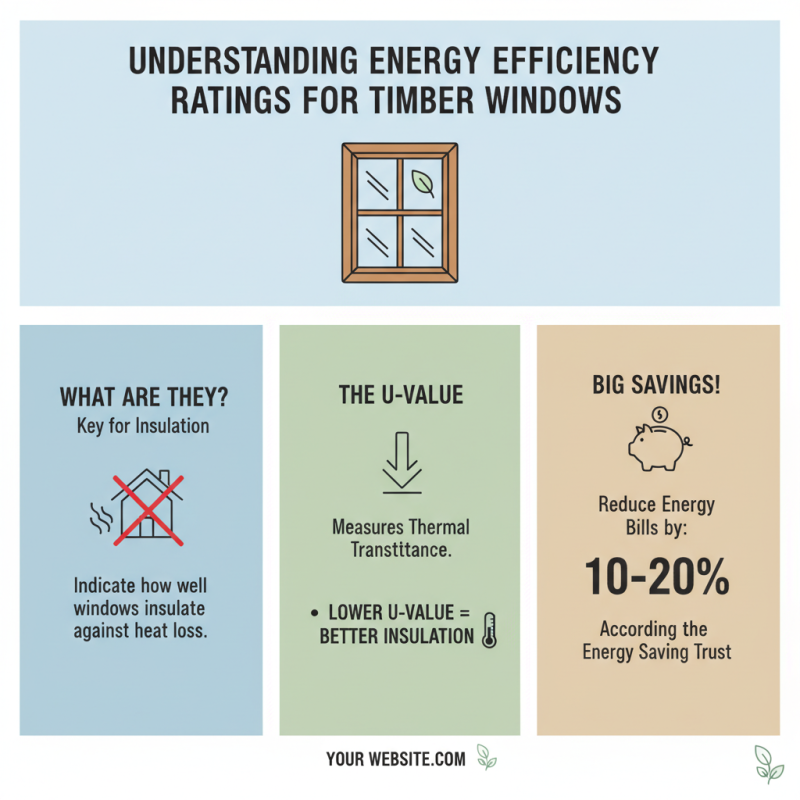
When selecting timber windows, energy efficiency ratings are key. These ratings indicate how well windows insulate against heat loss. A reliable rating scale is the U-value, which measures thermal transmittance. Lower U-values show better insulation. According to the Energy Saving Trust, high-performing windows can reduce energy bills by 10-20%.
Tips: Look for windows with a U-value under 1.6 W/m²K for optimal energy performance.
Another important aspect is the energy index label. It shows the window's performance in different conditions. For example, some timber windows excel in passive solar gain while minimizing heat loss. However, not all timber windows perform equally. Some may not provide adequate insulation, leading to higher energy costs.
Tips: Consider windows rated with ‘A’ or ‘B’ energy labels to ensure a good balance of heat retention and distribution.
Considering these factors will guide you in making an informed decision. Good insulation not only saves money but also enhances comfort levels in your home. Be cautious, as poor choices might lead to unnecessary heating bills.