How to Choose the Best Windows Doors for Your Home?
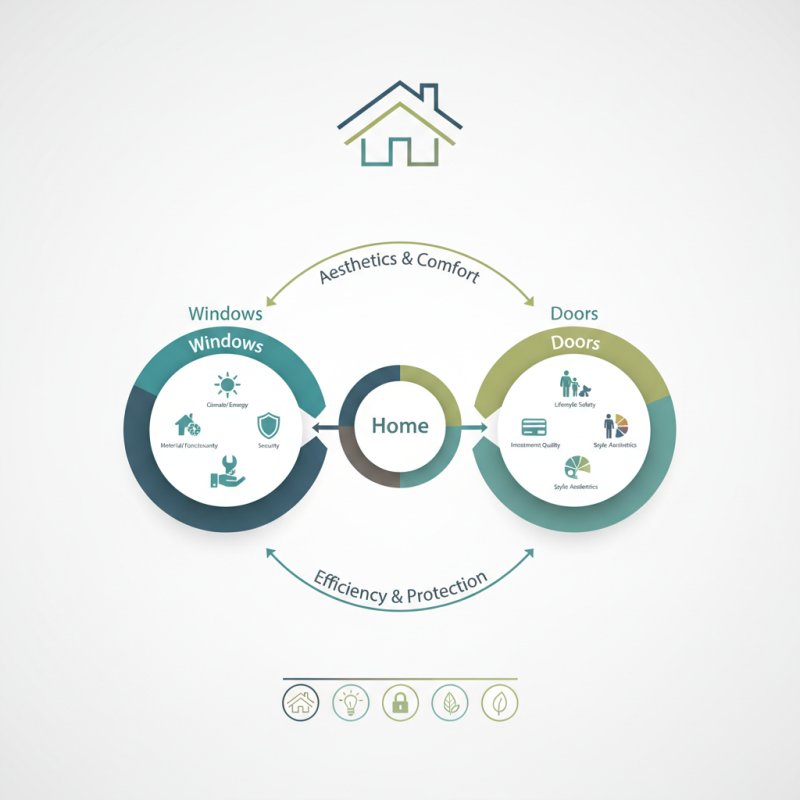
When choosing the best Windows Doors for your home, it's essential to consider functionality and style. Expert designer John Miller once said, "The right Windows Doors can transform a house into a home." This highlights their importance in enhancing both aesthetics and comfort.
Windows Doors come in various materials, styles, and colors. Selecting the perfect fit can be overwhelming. It's crucial to think about the climate and security needs of your area. A practical choice ensures efficiency and protection. However, many people overlook the importance of energy efficiency, leading to higher utility bills.
Consider your lifestyle when making a decision. If you have children or pets, safety should be a priority. Often, people regret not investing in higher-quality options. Weigh your choices carefully. Windows Doors are more than mere openings; they are gateways to your home’s identity.
Understanding Different Types of Windows and Doors Available
When selecting windows and doors for your home, understanding the available options is crucial. You can choose from various materials like wood, vinyl, and fiberglass. According to a 2021 remodeling report, approximately 45% of homeowners prefer vinyl windows for their energy efficiency and durability. Vinyl windows often lower energy bills significantly. However, they may lack the aesthetic appeal that wood offers.
Styles matter too. Double-hung windows are common and easy to clean, while casement windows can provide improved ventilation. The right choice depends on your home’s architecture and your personal taste. A study from the National Association of Realtors indicates that homes with modern window designs sell 20% faster than those with outdated styles.
Don't overlook your local climate. In humid areas, wood may warp or rot without proper maintenance. Conversely, vinyl can expand and contract with temperature changes, leading to possible seal failure. Weighing these factors can be daunting. It's common to feel uncertain and overwhelmed. Carefully consider your lifestyle and how each type would perform over time.
How to Choose the Best Windows Doors for Your Home? - Understanding Different Types of Windows and Doors Available
| Type |
Material |
Energy Efficiency |
Cost Range |
Maintenance |
| Double-Hung Window |
Vinyl |
High |
$300 - $700 |
Low |
| Casement Window |
Wood |
Very High |
$400 - $800 |
Medium |
| Sliding Door |
Aluminum |
Medium |
$600 - $1200 |
Low |
| French Door |
Fiberglass |
High |
$800 - $1500 |
Medium |
| Awning Window |
Vinyl |
High |
$250 - $600 |
Low |
Assessing Your Home’s Architectural Style and Needs
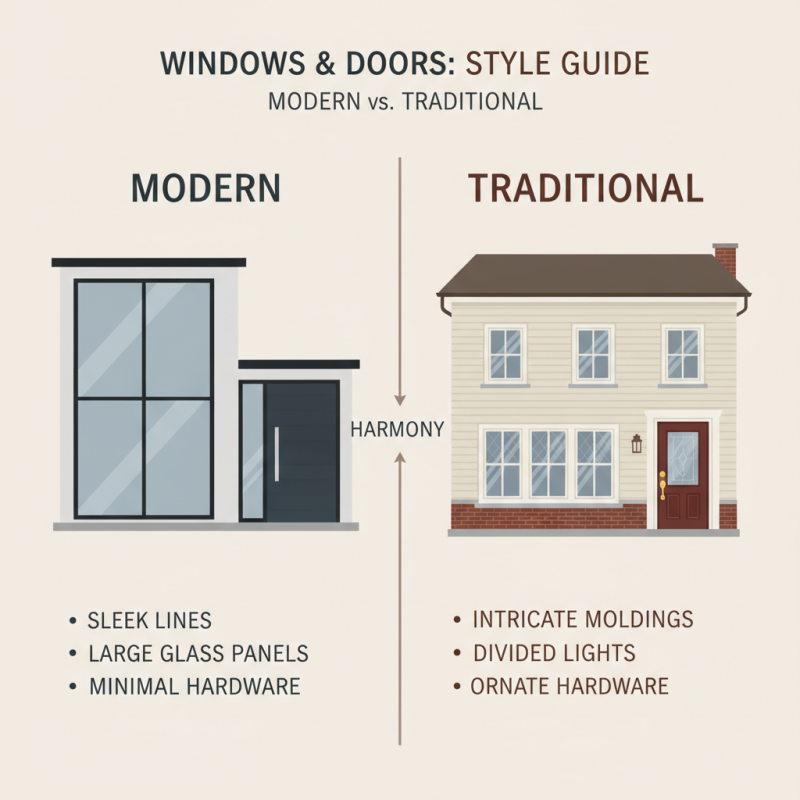
Choosing the right windows and doors for your home begins with understanding your architectural style. Each style, whether modern or traditional, has components that define its character. You may feel drawn to sleek lines or intricate moldings. Identifying these elements is key to creating harmony.
Tips: Look closely at your home’s facade. Consider the shape and size of windows or doors. Do they complement the roof or other features? If not, they may feel out of place.
Consider the materials, too. Wood gives a classic feel, while metal can offer a more contemporary look. Choosing mismatched materials can lead to an unbalanced appearance. Reflect on what feels right for you and your space.
Tips: Think about energy efficiency as well. Is your home drafty? Evaluate the insulation of potential options. What works well in one climate might falter in another. Pay attention to how sunlight enters your home. Too much glare? It could create discomfort.
Understanding your needs is just as vital. Seek balance between aesthetics and functionality. A beautiful door might not be practical in a rainy environment. Be open to reassessing your initial preferences. The best choices arise from thoughtful reflection.
Evaluating Energy Efficiency Ratings and Materials
Choosing the right windows and doors can enhance your home's beauty and energy efficiency. Energy efficiency ratings play a vital role in this decision-making process. Look for windows with a high Energy Star rating. These products can significantly reduce heating and cooling costs. They help maintain a comfortable indoor temperature throughout the year.
When assessing materials, consider durability and insulation properties. Vinyl and fiberglass are popular choices. They resist warping and are low maintenance. Wood offers excellent insulation but requires more upkeep. Make sure the material fits your climate. For example, areas with heavy rain may need different materials than dry regions.
Tips: Always check for certifications. Energy-efficient windows often feature triple glazing for added insulation. Consider window films for an extra layer of protection. Measure carefully before purchasing. Regularly review your choices. Reflect on how they perform in extreme weather. These small adjustments can lead to significant savings in the long run.
Setting a Budget for Your Windows and Doors Project
Setting a budget for your windows and doors project is crucial. Start by assessing your financial situation. Look at your savings and decide how much you can comfortably spend. This number will guide most of your choices.
Consider the types of materials you want. Wood, vinyl, and fiberglass each have different costs. A durable option often comes with a higher price. Evaluate how long you plan to stay in your home. Expensive choices may not make sense for a short-term stay.
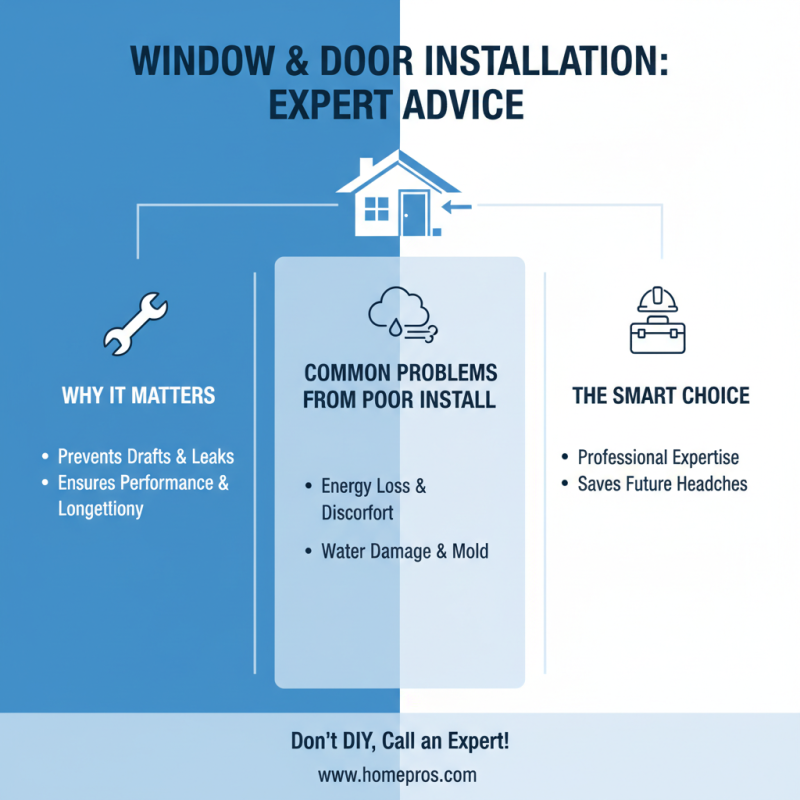
Don't forget about installation costs. Hiring professionals can significantly impact your budget. Sometimes, DIY seems cheaper, but mistakes can cost more in the long run. Be prepared for unexpected expenses too. Always set aside a bit more than your projected budget. Balancing cost and quality is challenging but necessary for a successful project.