Leave Your Message

How to Choose the Best Wood Casement Windows for Your Home?

Choosing the right Wood Casement Windows can enhance both the aesthetics and functionality of your home. According to industry expert Emily Johnson, "The right wood windows can elevate a home's charm while providing durability." Selecting windows is not just about appearance. It requires understanding insulation, style, and maintenance.

Wood Casement Windows offer a unique blend of beauty and practicality. They pivot outward, allowing for maximum ventilation and unobstructed views. Yet, not all wood windows are created equal. Factors like wood type, finish, and hardware all influence performance. Homeowners may find themselves overwhelmed by choices, and that's natural. Reflection on specific needs is essential.

It’s crucial to consider both design and longevity when investing in Wood Casement Windows. Quality matters significantly in this sector. Look for reputable brands and expert installation to ensure reliability. Ultimately, the perfect window should align with your personal taste and your home’s architecture. Keep these thoughts in mind as you navigate your selection journey.
How to Choose the Best Wood Casement Windows for Your Home?

Understanding Wood Casement Windows: Features and Benefits

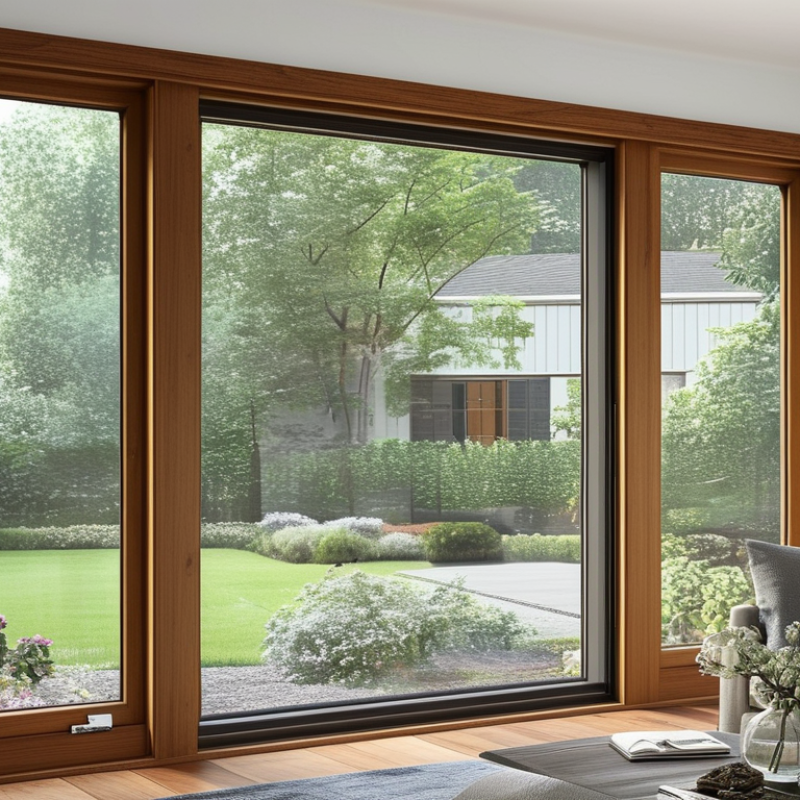
Wood casement windows offer a blend of beauty and practicality, making them a popular choice for homeowners. These windows are hinged at the side and open outward, allowing for maximum ventilation and unobstructed views. Their tight seal when closed enhances energy efficiency, keeping your home comfortable year-round. The natural charm of wood brings warmth and elegance, complementing numerous architectural styles.

When choosing wood casement windows, consider the type of wood. Different woods have varying durability and appeal. For instance, oak provides strength, while pine offers a more economical option. Also, pay attention to finishes. A quality finish can enhance the wood's longevity, resisting moisture and preventing warping.

Tips for selection: Ensure the windows have good insulation features. Check for energy ratings that indicate efficiency. Look for well-crafted frames; craftsmanship impacts the window's performance. Remember, the installation process is crucial. Proper installation enhances the functionality of your windows. If a window isn’t installed correctly, it leads to air leaks and reduced energy efficiency. Regular maintenance is also vital. Consider how much upkeep you're willing to invest.
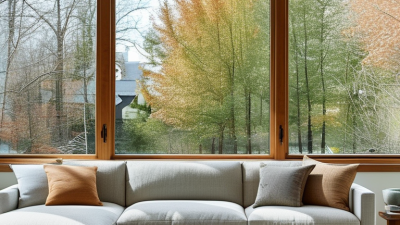
Factors to Consider When Choosing Wood Casement Windows

When selecting wood casement windows, several factors warrant careful consideration. The type of wood is crucial. Each wood species offers unique aesthetics and durability. For instance, oak is strong but may require more maintenance due to susceptibility to moisture. Pine, while cost-effective, can be less durable. You should assess your local climate and choose wood that can withstand environmental challenges.

Energy efficiency is another critical factor. Look for windows with proper insulation to reduce heating and cooling costs. Double-glazed options offer better thermal performance than single-pane windows. You may need to weigh efficiency against your budget. Sometimes, the most energy-efficient option can feel expensive upfront.

The style and functionality of the windows also matter. Casement windows typically provide better ventilation than many other types. However, you must think about the ease of use and how they fit your home’s design. Ensure the hardware is durable and aligns with your aesthetic preference. Mistakes can happen if you rush the selection process. Take time to reflect on your choices, as the right window can enhance your home’s beauty and value.

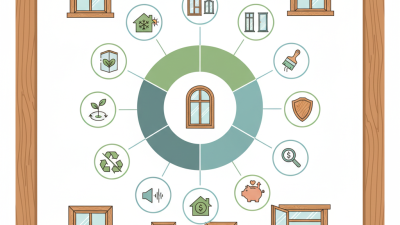
Wood Casement Windows Features Comparison

Comparing Wood Types: Selecting the Best Material for Your Windows

When choosing wood casement windows, the type of wood significantly impacts their quality and longevity. Various wood types offer different benefits and aesthetic appeals. For instance, pine is a common choice due to its affordability and ease of installation. However, it may require more maintenance over time. On the other hand, mahogany stands out with its rich color and exceptional durability, but it comes at a higher cost.

Another viable option is oak, known for its strength and resistance to warping. Its unique grain patterns contribute to a timeless look. However, oak windows may be heavier, which complicates installation.

When selecting wood, consider climate conditions. Humid environments can lead to swelling or rot, while dry climates may cause cracking. This awareness can encourage thoughtful decisions in window selection. Sometimes, what looks appealing may not serve well in specific conditions, so it's vital to weigh aesthetics against practical needs.

Investing in the appropriate wood can lead to long-term satisfaction and performance.

Energy Efficiency and Insulation in Wood Casement Windows

Choosing the right wood casement windows for your home involves understanding their energy efficiency and insulation properties. According to the U.S. Department of Energy, windows account for up to 30% of a home's heating and cooling energy. Therefore, selecting the right windows is crucial for reducing energy costs.

Wood casement windows often provide superior insulation. Their frames can offer better thermal performance compared to vinyl or aluminum options. In a 2021 report from the National Fenestration Rating Council (NFRC), well-constructed wood windows can achieve U-factors as low as 0.20. This indicates excellent resistance to heat flow, which can help maintain comfortable indoor temperatures.

However, not all wood windows are the same. Quality of construction can vary significantly. Poor installation can lead to air leakage. This compromises insulation effectiveness. It's vital to evaluate the window’s energy performance ratings carefully. Proper installation and maintenance are equally important for optimal performance. Make sure to consider local climate conditions to maximize energy efficiency.

Maintenance Tips for Longevity of Wood Casement Windows

Wood casement windows can enhance the beauty of your home. However, they require careful maintenance to ensure longevity. According to industry reports, regular upkeep can extend the life of wood windows by up to 30%. Here are some maintenance tips to consider.

Inspect the seals and frames regularly. Look for signs of rot or damage. Apply paint or sealant every three to five years. This simple task can protect the wood from moisture and pests. Additionally, clean the windows with a gentle solution. Avoid harsh chemicals that may damage the finish.

Consider weather stripping to improve energy efficiency. This can prevent drafts and reduce heating costs. A study found that properly sealed windows can save homeowners up to 15% on energy bills. Don't forget to check the hinges. Lubricating them can ensure smooth operation and prevent wear over time. Pay attention to these details to keep your wood casement windows in peak condition.