How to Choose the Right Clad Windows for Your Home Improvement Project
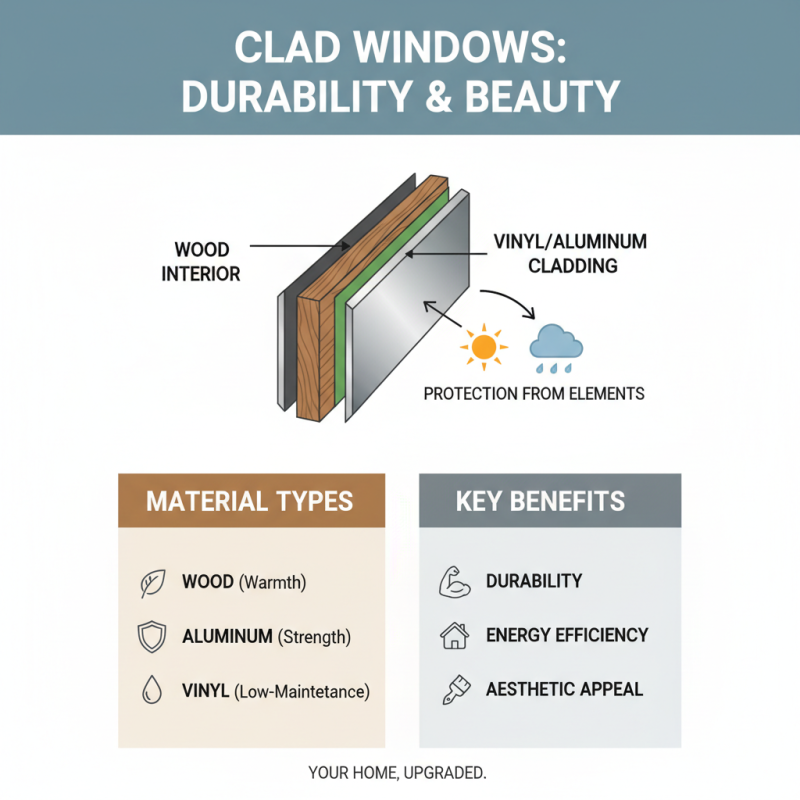
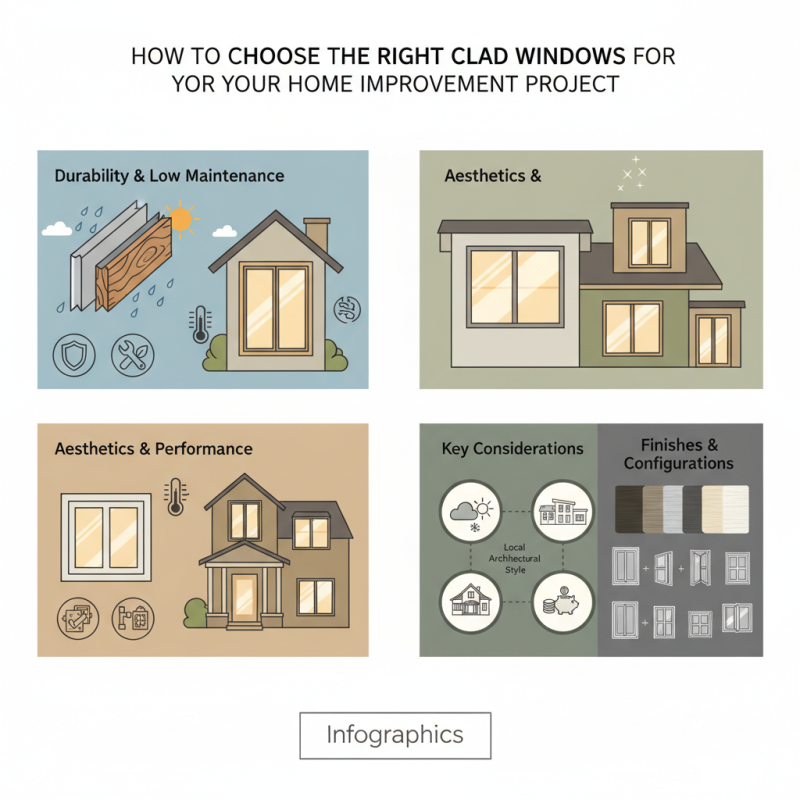
When considering a home improvement project, the choice of windows can significantly impact both aesthetics and functionality. Among the various options available, clad windows have gained popularity for their exceptional durability and low maintenance requirements. Clad windows combine the strength of wood with the resilience of exterior materials like vinyl or aluminum, offering homeowners a blend of traditional warmth and contemporary performance. This unique construction not only enhances the visual appeal of a home but also provides energy efficiency and protection against the elements.
Choosing the right clad windows involves understanding their design features, benefits, and potential drawbacks. It’s essential to consider factors such as your local climate, architectural style, and budget when making this decision. Furthermore, exploring different finishes and configurations can help you achieve the perfect balance between style and functionality. This guide will walk you through the key considerations to help you select the ideal clad windows for your specific home improvement needs, ensuring that you make an informed investment that adds value and comfort to your living space.
Understanding Clad Windows: Types and Materials Available
Clad windows are a popular choice for homeowners seeking durability and aesthetic appeal. These windows feature a core material, often wood, wrapped in a protective layer of vinyl or aluminum. This design provides the warmth and beauty of wood on the inside while ensuring resistance to the elements on the exterior. When considering clad windows, it’s essential to understand the different types of materials available, as they influence not only the window's performance but also its maintenance needs.
Tip: When selecting clad windows, consider your local climate. In regions with extreme weather, aluminum-clad windows are more suitable due to their durability and low maintenance requirements. Conversely, if aesthetic appeal is paramount, wood-clad options offer a classic look that can match various architectural styles.
Aside from wood and aluminum, vinyl-clad windows are another popular choice. They are typically more affordable and provide excellent energy efficiency, making them a great option for budget-conscious homeowners. However, it's important to ensure this material aligns with your long-term maintenance plans, as vinyl can fade or become discolored over time.
Tip: Always request samples or view installed examples to gauge color and texture before making a decision. This step can prevent surprises later, ensuring that your clad windows enhance the overall look of your home.
Evaluating Your Home's Architectural Style for Clad Windows
When selecting clad windows for your home improvement project, understanding your home's architectural style is paramount. Different styles, whether they are traditional, contemporary, or transitional, dictate the aesthetics and functionality of the windows chosen. For instance, homes designed in the tend to benefit from windows that feature deep frames and muntins that reflect the artistry typical of the era. According to a recent report by the American Architectural Manufacturers Association (AAMA), properly framed and styled windows can enhance a home's curb appeal by up to 25%, directly impacting property value.
In addition to aesthetics, it's essential to consider the material of the clad windows. Options range from aluminum to vinyl to wood-clad, each offering distinct advantages that may align with specific architectural themes. A study published by the National Association of Home Builders (NAHB) indicates that energy-efficient windows not only contribute to a home's energy performance but also serve to complement its style. For example, a contemporary home with large glass panes benefits from low-E coatings that improve thermal performance while ensuring minimal visual interruption. By evaluating your home’s architectural style alongside these factors, you can make a more informed decision that enhances both the beauty and efficiency of your living space.
Assessing Energy Efficiency Ratings for Clad Windows
When it comes to selecting clad windows for your home improvement project, energy efficiency is a crucial factor to consider. Clad windows typically consist of an interior frame made from wood and an exterior shell of aluminum or vinyl, which provides durability while keeping the aesthetic appeal of timber inside. To ensure that you are making an informed decision, it's essential to assess the energy efficiency ratings of potential window options.
Energy efficiency ratings are often displayed using a variety of metrics, including the U-factor, solar heat gain coefficient (SHGC), and the visible transmittance (VT). The U-factor measures the rate of heat transfer, with lower values indicating better insulating properties. A window with a low U-factor can significantly reduce your heating and cooling costs over time. Meanwhile, the SHGC indicates how much solar radiation is admitted through the window; this is particularly important if you live in a region with high temperatures. Finally, the VT rating evaluates how much light the window allows in, balancing natural light and energy efficiency for a comfortable indoor environment.
Choosing clad windows with high energy efficiency ratings not only enhances your home's comfort but also contributes to long-term savings. Look for windows that feature energy-efficient glazing, such as double or triple-pane glass filled with argon gas, which can further reduce heat transfer. By prioritizing these energy efficiency ratings in your selection process, you can ensure that your investment in clad windows will yield both aesthetic and functional benefits for your home.
Energy Efficiency Ratings of Clad Windows
Budgeting for Clad Windows: Cost Considerations and Financing Options
When planning to incorporate clad windows into your home improvement project, budgeting plays a crucial role in decision-making. According to the National Association of Home Builders (NAHB), the average cost of clad windows ranges from $300 to $800 per window, depending on the material, style, and energy efficiency ratings. When considering the installation of multiple windows, these costs can accumulate significantly, making it essential to establish a comprehensive budget upfront.
In addition to the initial purchase price, homeowners should also factor in potential financing options. Many homeowners opt for financing to spread out the costs more manageably. Reports from the Home Improvement Research Institute indicate that nearly 40% of homeowners use financing methods such as personal loans or home equity lines of credit to cover renovation expenses. Additionally, considering energy-efficient upgrades can be financially beneficial in the long run, as these windows can reduce heating and cooling costs by up to 25%, according to the U.S. Department of Energy. This long-term savings should be weighed against the initial expenditure when setting up a budget for protective, aesthetically pleasing clad windows.
How to Choose the Right Clad Windows for Your Home Improvement Project
| Window Type |
Material |
Average Cost (per window) |
Durability |
Energy Efficiency |
Financing Options |
| Double-Hung Windows |
Vinyl |
$300 - $600 |
Good |
High |
Installment Plans, Credit Options |
| Sliding Windows |
Aluminum |
$400 - $800 |
Very Good |
Medium |
Cash, Financing through Contractors |
| Casement Windows |
Fiberglass |
$500 - $1000 |
Excellent |
Very High |
Personal Loans, Home Equity Lines |
| Awning Windows |
Wood |
$600 - $1200 |
Good |
High |
Cash, Low-Interest Loans |
Selecting a Reputable Manufacturer and Installer for Clad Windows
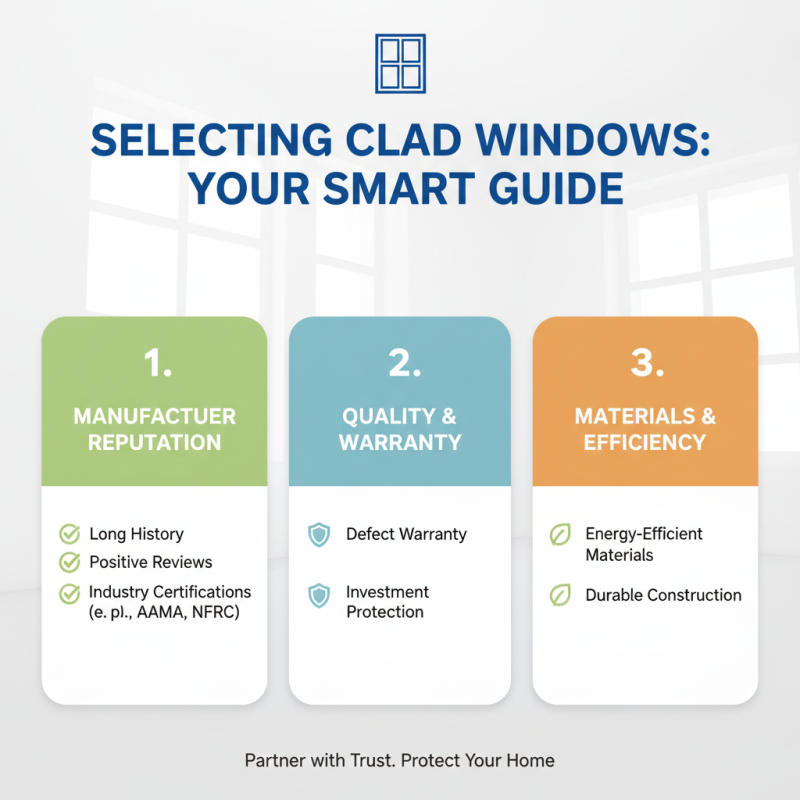
When selecting clad windows for your home improvement project, it’s crucial to partner with a reputable manufacturer and installer. A manufacturer’s reputation can significantly affect the quality of the product you receive. Look for companies with a long-standing history in the industry, positive customer reviews, and certifications indicating adherence to industry standards. These companies often provide a warranty that covers defects, ensuring that your investment is protected over time. Additionally, ask about their materials and construction processes to ensure they align with your needs for energy efficiency and durability.
Finding an experienced installer is equally important. A skilled installer will not only ensure that your windows are fitted correctly but can also advise on the best options for your home’s specific needs. Seek out professionals who specialize in clad window installations and have a portfolio of completed projects. Verify their credentials, including licenses and insurance, to avoid any potential issues during the installation process. Furthermore, customer testimonials can reveal insights into the installer’s reliability, professionalism, and post-installation support, making them a vital component of your project’s success. By choosing a reputable manufacturer and installer, you’ll secure both quality products and expert installation, leading to a successful home improvement project.