How to Choose Wood Clad Windows for Your Home?
Choosing wood clad windows can enhance your home's aesthetic appeal. According to a report by the American Architectural Manufacturers Association, wood clad windows offer superior energy efficiency. They have an R-value up to 5.8, compared to vinyl varieties that typically reach only 3.0. This means they can significantly reduce heating and cooling costs.
Selecting the right wood clad windows involves considering various factors. Style, design, and wood species play essential roles. Pine, Douglas fir, and mahogany are popular options. Each type offers unique qualities and requires specific maintenance. Although wood clad windows are durable, they may need refinishing every few years. Ignoring this can lead to expensive repairs.
Reflecting on these considerations is crucial. Many homeowners often overlook the importance of quality over price when choosing. Investing in premium wood clad windows means better performance and long-term satisfaction. It's vital to weigh aesthetics against functionality to make a wise decision.
Choosing the Right Wood Species for Clad Windows: Key Considerations
Choosing the right wood species for clad windows is crucial for both aesthetics and performance. Each type offers unique benefits and drawbacks. For example, pine is affordable and easily accessible. However, it may not have the longevity of hardwoods. On the other hand, cedar is naturally resistant to moisture but can be pricier.
Consider the climate where you live. Some woods fare better in humid conditions. Mahogany, while stunning, might require extra care in wet areas. The visual appeal can vary significantly. Oak provides a strong, timeless look but can be heavy. Additionally, softwoods like fir are lighter and easier to handle, yet can be prone to dings and dents.
Beyond practical aspects, think about maintenance. Some species require regular staining or sealing. Others can weather naturally, which may appeal to a low-maintenance lifestyle. Reflect on your home’s overall style. A modern design might clash with traditional wood choices. Ultimately, the right wood species should feel right to you, blending seamlessly with your vision for your home.
Understanding Thermal Performance Ratings for Wood Clad Windows
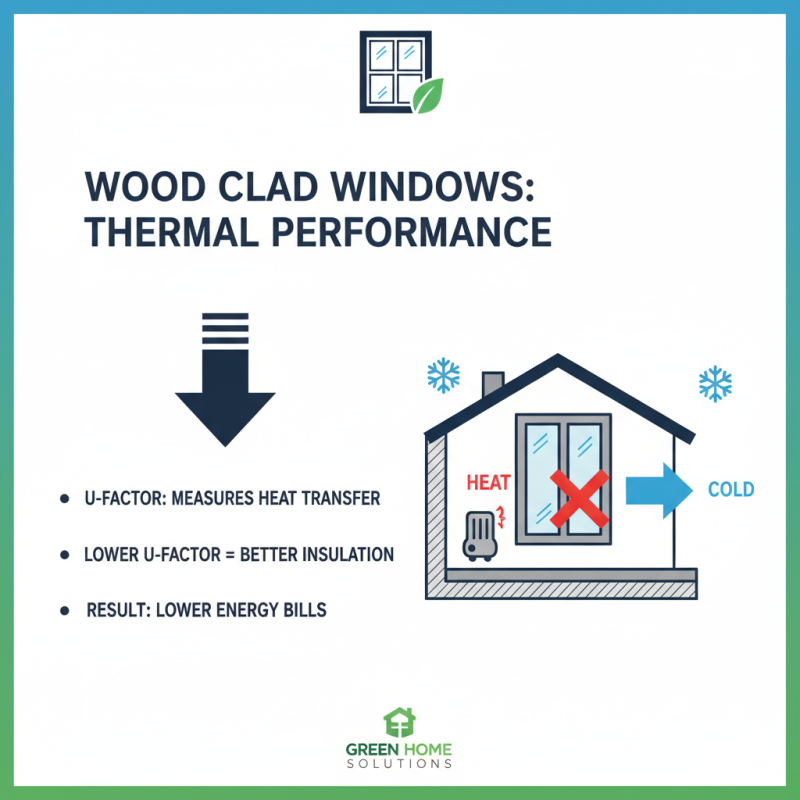
When choosing wood clad windows, understanding thermal performance ratings is crucial. These ratings gauge how well windows resist heat flow. A high rating indicates better insulation, which leads to lower energy bills. Look for the U-factor, which measures heat transfer. The lower the U-factor, the better the window performs in keeping the heat inside.
Additionally, consider the Solar Heat Gain Coefficient (SHGC). This measures how much solar heat enters through the window. In warmer climates, a lower SHGC is desirable. In contrast, a higher SHGC might be beneficial in colder regions. These nuances can influence your decisions significantly.
Selecting the right windows is often overwhelming. Many overlook the importance of proper installation. A poorly installed window can negate its thermal performance advantages. Ensure the installation crew is skilled. Researching and asking questions can lead to better choices. It’s not just about aesthetics; it’s an investment in comfort and energy efficiency. Reflect on your home’s unique needs before committing.
Evaluating Maintenance Requirements for Different Wood Clad Finishes
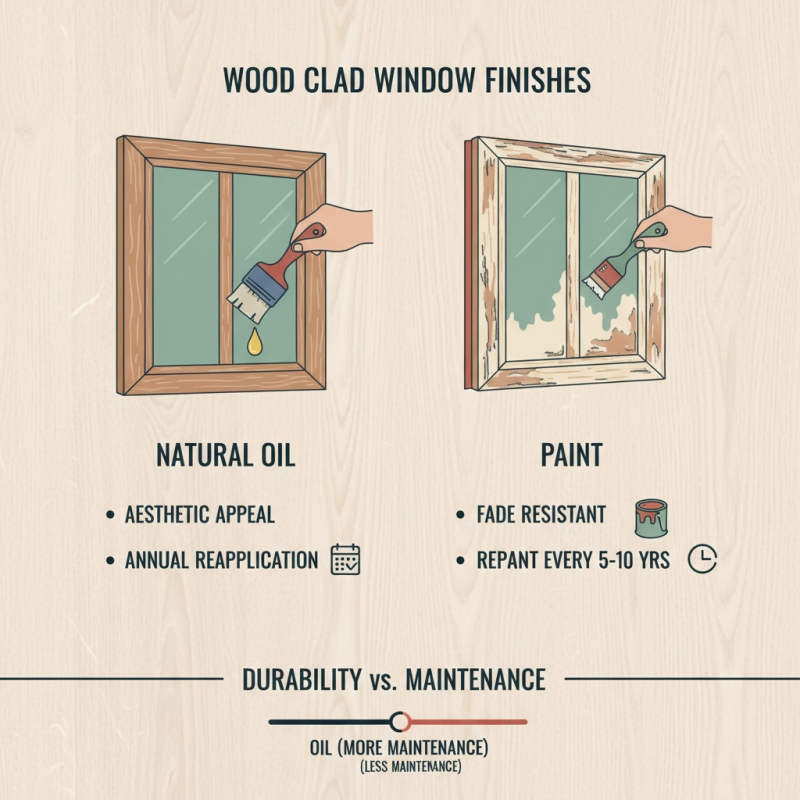
When selecting wood clad windows, the finish is key. Different finishes require varying levels of maintenance. Some options excel in durability, while others demand regular upkeep. For instance, a natural oil finish offers aesthetic charm but may need annual reapplication. On the other hand, a paint finish could resist fading better but might require scraping and repainting after several years.
Tips: Consider your climate. Humid areas may necessitate more resilient finishes. Frequent exposure to moisture can lead to extra wear. Think about your lifestyle. If you prefer low maintenance, choose finishes designed for that purpose.
Natural wood has its appeal. However, keep in mind that wood is susceptible to the elements. It can swell, crack, or fade. Be prepared for the occasional repairs. This is part of the charm but also a responsibility. Evaluate how much time you're willing to invest. Balancing aesthetics with practicality is essential in making the right choice.
Cost Analysis: Wood Clad Windows vs. Other Window Materials
When considering windows for your home, the choice of materials is crucial. Wood clad windows typically come with higher upfront costs compared to vinyl or aluminum. A recent industry report suggests that wood clad windows can range from $300 to $800 per unit, while vinyl windows start as low as $150. However, these costs reflect not only the aesthetic appeal but also the insulation performance. Wood clad windows often provide better energy efficiency. Some studies indicate they can reduce energy bills by around 20%.
The longevity of materials is another factor worthy of thought. Wood clad windows require maintenance, while materials like vinyl can endure harsh weather with minimal upkeep. However, the long-term cost of maintenance for wood products can offset initial savings. A comparative analysis shows that over 20 years, wood windows may typically cost about 25% more in maintenance versus synthetic materials.
Yet, there is an emotional element to consider. Homeowners may prefer the warmth and beauty of wood cladding. It often elevates the overall value of the home. The decision isn't strictly financial. Consider how each option aligns with personal values and aesthetic desires. It's complex, and many factors are at play.
Cost Analysis of Window Materials
This chart illustrates the average cost per square foot for various window materials. Wood clad windows are generally priced higher than vinyl and aluminum, but they offer superior aesthetic appeal and durability.
Reviewing Energy Efficiency Certifications for Wood Clad Windows
When selecting wood clad windows, energy efficiency is crucial. Many homeowners overlook energy ratings. However, these certifications play a significant role in long-term savings. Energy Star windows can save up to 12% on energy bills. Choosing windows with a high U-factor and low Solar Heat Gain Coefficient is essential. These metrics indicate how well the window insulates and resists heat.
The National Fenestration Rating Council (NFRC) offers standardized labeling. These labels help you compare different window options easily. Windows meeting specific performance criteria receive these certifications. When comparing products, check these labels closely. You might find options that seem similar but have vastly different efficiency ratings. Gaps in understanding can lead to costly mistakes.
In some regions, local energy codes encourage energy-efficient installations. These regulations might require minimum energy performance standards for new constructions. Not adhering to these can impact resale value. Yet, many homeowners are still unaware of the implications. Take your time to research and reflect. The choice you make can significantly impact comfort and energy costs over time.
How to Choose Wood Clad Windows for Your Home? - Reviewing Energy Efficiency Certifications for Wood Clad Windows
| Window Type |
Energy Efficiency Rating (U-Factor) |
Solar Heat Gain Coefficient (SHGC) |
Air Leakage Rate (CFM/sq ft) |
Material Type |
| Double Glazed Wood Clad |
0.30 |
0.22 |
0.05 |
Wood with Vinyl Cladding |
| Triple Glazed Wood Clad |
0.20 |
0.19 |
0.04 |
Wood with Aluminum Cladding |
| Double Hung Wood Clad |
0.27 |
0.25 |
0.06 |
Wood with Fiberglass Cladding |
| Casement Wood Clad |
0.24 |
0.21 |
0.03 |
Wood with Composite Cladding |