Top 10 Benefits of Clad Windows You Need to Know?
Clad windows have become a popular choice for homeowners seeking durability and style. According to the latest industry reports, clad windows can improve energy efficiency by nearly 30%. Their unique composite construction combines the strength of wood with an exterior material resistant to weathering. This combination offers not only aesthetic appeal but also long-term performance.
However, there are downsides to consider. While clad windows may provide superior insulation, they can be more expensive upfront compared to traditional windows. Homeowners might struggle with the initial investment despite the long-term savings on energy bills. Moreover, maintenance can still be an issue, particularly if the exterior material requires specialized cleaning.
Understanding the multifaceted benefits of clad windows is essential. They offer a balance of beauty and functionality that many other window types cannot match. Yet, making an informed decision requires careful consideration of both advantages and potential drawbacks. As you explore the top benefits, reflect on what matters most for your home.

Advantages of Clad Windows in Energy Efficiency
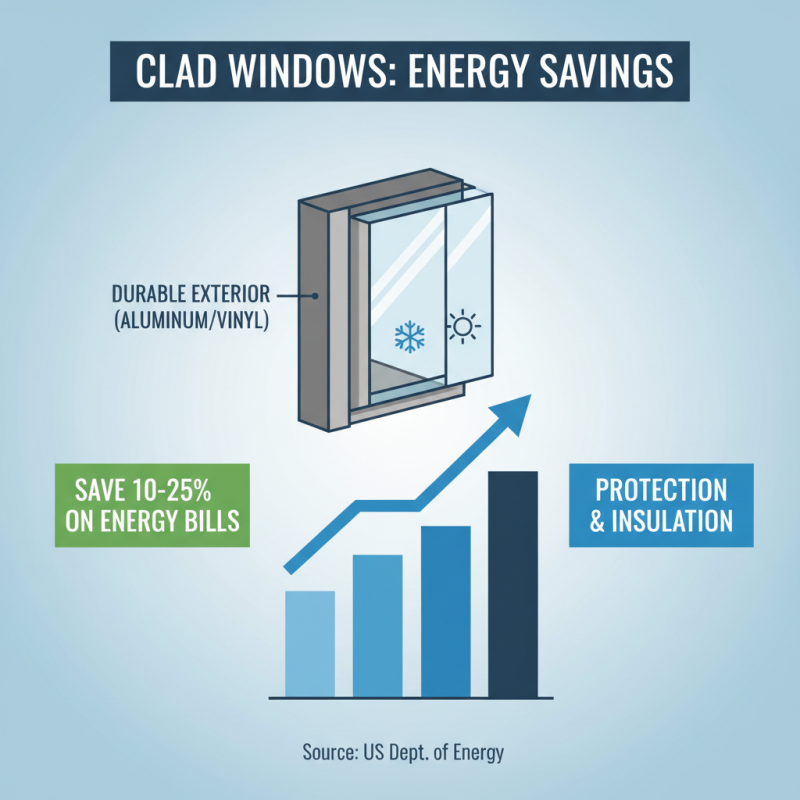
Clad windows offer significant advantages in energy efficiency. They are designed with a durable exterior layer, often made of aluminum or vinyl, which protects and insulates. According to the U.S. Department of Energy, properly installed windows can save homeowners 10-25% on energy bills. This is an impressive statistic, but it requires careful consideration during installation.
The energy-efficient properties of clad windows must be combined with other factors. Proper sealing is vital to prevent air leaks. A study by the Lawrence Berkeley National Laboratory found that less than ideal installation can lead to up to 30% energy loss, even with high-performance windows. Choosing the right installer is as important as the window's quality.
Moreover, clad windows can support green building initiatives. They often contain low-E glass, which minimizes heat transfer. According to the National Fenestration Rating Council, high-performance windows can reduce heating and cooling demands. Yet, potential buyers should be cautious. Not all clad windows are created equal. They must evaluate energy ratings to get the desired efficiency.
Durability and Maintenance Benefits of Clad Windows
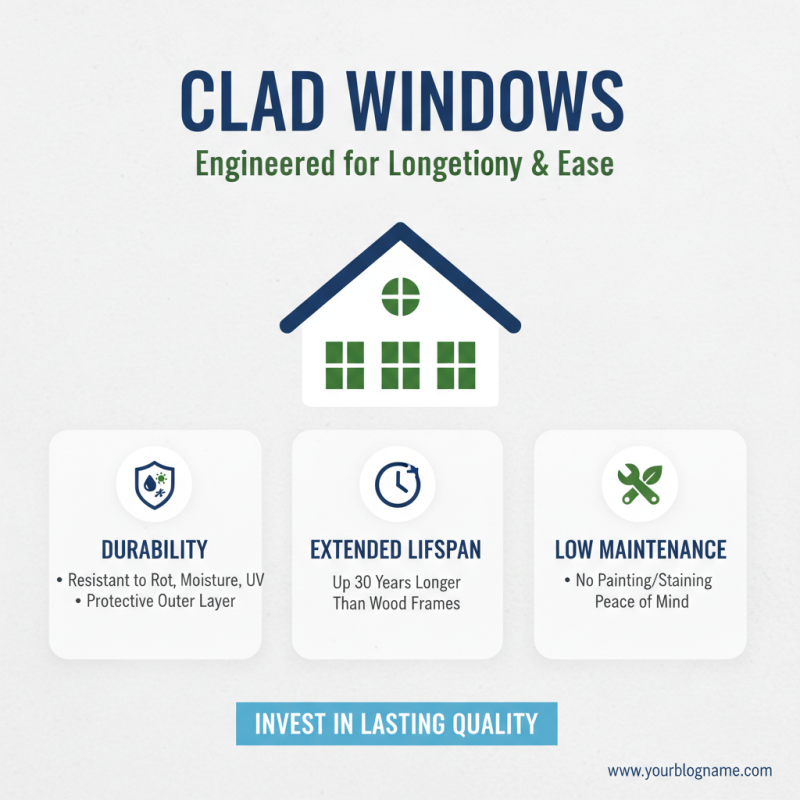
Clad windows offer remarkable durability and low maintenance advantages. A recent study indicates that buildings with clad windows can last up to 30 years longer than traditional wood frames. This increased lifespan results from the protective outer layer, which is resistant to rot, moisture, and UV damage. Homeowners can enjoy peace of mind, knowing their windows will withstand the test of time.
Maintenance is simpler with clad windows. Unlike wood, which requires regular painting and sealing, clad windows only need occasional cleaning. Industry reports show that homeowners spend an average of 60% less on maintenance over a decade with clad options. This means less time worrying about upkeep and more time enjoying your living space. However, it’s crucial to inspect seals and areas prone to moisture. These can sometimes lead to unexpected issues if overlooked.
While clad windows are built to last, they are not immune to damage from hail or impacts. Homeowners should remain vigilant in checking for scratches or dents. Regular inspections can prevent minor issues from developing into larger problems. Understanding these nuances in maintenance can help maximize the benefits of clad windows.
Aesthetic Appeal: Design Flexibility of Clad Windows
Clad windows offer remarkable aesthetic appeal. Their design flexibility allows homeowners to choose a style that complements any architecture. According to a recent industry report, 70% of homeowners prioritize aesthetics in window selection. Clad windows provide an elegant finish and can mimic traditional wood while offering modern durability.
The variety of finishes and colors is extensive. Some clad windows come with different interior and exterior finishes. This versatility supports creativity. Homeowners can match their windows to their home’s unique character. However, this plethora of options might overwhelm some buyers. The choice can lead to decisions they later regret.
Research shows that well-designed windows can increase property value. Clad windows combine beauty with functionality. However, the balance between style and practicality is crucial. In a survey, 65% of consumers noted that aesthetics directly impact their buying decisions. Yet, it’s important to remember that the most beautiful windows are not always the best fit for every home. Each design decision should consider the overall vision for a space.
Sound Insulation Properties of Clad Windows
When considering clad windows, sound insulation properties stand out as a significant advantage. Studies indicate that these windows can reduce noise levels by up to 50%. This reduction is crucial for homes located near busy streets or urban areas. Clad windows combine wood interiors with durable exteriors, which helps to create a barrier against sound.
The sound-dampening effect of clad windows stems from their multi-layer construction. The air gaps and insulating materials act as effective buffers. Research shows that windows with thicker glazing offer even better sound insulation. In environments where noise pollution is prevalent, having such features can be invaluable. Homeowners often report improved peace and comfort due to these enhancements.
However, it’s important to remember that not all clad windows are created equal. Some may lack sufficient sealing, which can compromise their effectiveness. Additionally, choosing the right installation team plays a vital role. Poor installation can lead to gaps that allow sound leakage. Thus, while clad windows have remarkable potential for sound insulation, careful selection and maintenance are necessary for optimal performance.
Top 10 Benefits of Clad Windows You Need to Know
| Benefit |
Description |
Sound Insulation Rating (dB) |
| Energy Efficiency |
Clad windows provide superior insulation, reducing energy costs. |
30-35 dB |
| Low Maintenance |
The exterior clad material resists corrosion and doesn’t need painting. |
N/A |
| Aesthetic Appeal |
Available in various styles and colors to enhance the home’s appearance. |
N/A |
| Increased Property Value |
Quality windows can significantly boost home resale value. |
N/A |
| Environmental Impact |
Sustainable materials can contribute to a lower carbon footprint. |
N/A |
| Versatile Design Options |
Customizable designs to fit any architectural style. |
N/A |
| Enhanced Noise Reduction |
Superior sound insulation helps create a quieter indoor environment. |
35-40 dB |
| Weather Resistance |
Clad windows withstand harsh weather conditions effectively. |
N/A |
| Safety and Security |
Stronger materials provide increased security against break-ins. |
N/A |
Cost-Effectiveness: Long-term Value of Clad Windows
Clad windows offer significant cost-effectiveness, making them a smart investment for homeowners. Their durable exterior protects against harsh weather. This strength reduces maintenance costs over time. Homeowners can save money by not needing frequent repairs or replacements. Clad windows often come with excellent insulation properties. This helps lower energy bills year-round.
However, the initial investment can be higher compared to other window types. It's important to assess your budget carefully before making a purchase. Think about potential savings in the long run. Many people overlook the hidden costs of poor-quality windows. Over time, these can add up significantly.
The long-term value of clad windows becomes clear as they last longer and perform better. Profitability can be seen when you factor in energy efficiency and reduced maintenance. Home resale value may also increase. Buyers appreciate quality features. It's worth reflecting on whether immediate savings outweigh long-term benefits.