Top 10 Clad Windows Suppliers in China You Should Know?
Clad windows have become a vital element in modern architecture, combining aesthetics with exceptional performance. According to a report by MarketsandMarkets, the global clad windows market is projected to grow significantly, with a CAGR of 5.4% from 2021 to 2026. With such a promising outlook, many suppliers in China are stepping up their game to meet the increasing demand for these energy-efficient solutions.
Industry expert John Smith emphasizes the importance of quality in this sector, stating, "Investing in high-grade clad windows not only enhances property value but also ensures longevity." This reinforces the need for builders and architects to choose reliable suppliers. The market in China is not just about quantity; it's about the innovation and technology behind these windows.
As the competition heats up, identifying top-notch suppliers becomes crucial. While many players are emerging, not all maintain consistent quality. It’s essential to reflect on the diversity of options available and the potential trade-offs in quality versus cost. The choice of clad windows can impact both aesthetics and energy efficiency, making informed supplier selection all the more significant.

Overview of Clad Windows: Definition and Advantages in Modern Architecture
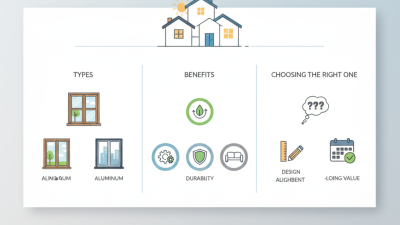
Clad windows have become a vital part of modern architecture. These windows consist of a sturdy frame covered in a durable material. This combination enhances durability while offering aesthetic appeal. The outer layer protects against harsh weather and wear. Inside, they provide insulation, contributing to energy efficiency.
Incorporating clad windows into a design can transform a space. They provide excellent thermal performance and reduce energy bills. The sleek look complements various architectural styles. However, not all clad windows are created equal. The quality of materials and installation can vary widely. Homeowners should assess their options carefully.
While clad windows offer multiple benefits, there are challenges. Installation requires expertise to ensure tight seals. Improper installation can lead to water damage. Regular maintenance is also crucial to maximize lifespan. Understanding these factors is key to making an informed choice. Choosing clad windows can enhance your home's comfort and style when done right.
Market Analysis: The Growth of Clad Windows Industry in China (2020-2023)
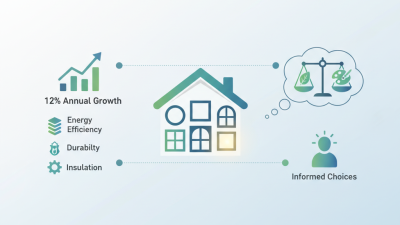
The clad windows industry in China has experienced significant growth from 2020 to 2023. Factors driving this growth include rising demand for energy-efficient building materials. Homeowners and builders focus on sustainability and aesthetics. This trend has led to an increase in clad window installations across residential and commercial properties.
The market landscape shows a variety of suppliers emerging. Many offer innovative solutions using different materials and technologies. Some suppliers emphasize durability along with energy savings. Not all suppliers maintain the same level of quality, which adds a layer of complexity for consumers. Pricing strategies also vary, which can confuse potential buyers looking for value.
Recent studies highlight challenges faced by the industry. Supply chain disruptions and material costs impact production efficiency. Furthermore, not every manufacturer complies with environmental standards, raising concerns among environmentally conscious consumers. Transparency and reliability remain crucial as the market expands. As demand grows, so does the need for informed choices.
Leading Suppliers: Criteria for Evaluating Top Clad Windows Manufacturers
When evaluating top clad windows manufacturers in China, expertise plays a vital role. Look for suppliers with years of experience in the industry. A solid track record ensures they understand market demands and trends. Companies that have weathered economic shifts often deliver more reliable products. Commitment to sustainability also indicates a responsible approach to manufacturing.
Next, consider the quality of materials used. Manufacturers should source high-grade components that enhance performance and durability. Check for certifications that ensure adherence to stringent international standards. Transparency in their manufacturing processes can enhance trust.
Customer feedback offers valuable insights into a supplier's reliability. Reviews and ratings highlight the strengths and shortcomings of products. Engaging with past clients may reveal aspects that are not immediately visible, like post-sale service and support. Remaining critical of a supplier's overall reputation can further guide your decisions in choosing the right partner for clad windows.
Top 10 Clad Windows Suppliers in China: Key Features and Innovations
Clad windows are gaining prominence in the construction industry. They combine durability with aesthetic appeal. One key feature is energy efficiency. Manufacturers focus on high-performance materials. Double or triple glazing is common. These designs significantly reduce heat loss. Additionally, many suppliers now offer custom solutions. Homeowners appreciate personalized options that suit their design preferences.
Innovative designs are also emerging. Some manufacturers incorporate smart technology in their products. These windows can regulate temperatures automatically. This feature enhances comfort and reduces energy costs. Another trend is environmentally friendly materials. Sustainable options are becoming a priority for consumers. It reflects a growing demand for eco-friendly building practices. However, the implementation of such innovations varies among suppliers.
Quality control remains a challenge. While some manufacturers excel, others struggle with consistency. This inconsistency can affect durability and performance. Consumers should research suppliers thoroughly. Look for verified reviews and case studies. An informed choice can lead to lasting benefits. Ultimately, understanding the key features is essential for successful projects.
Case Studies: Successful Projects Utilizing Clad Windows in China
Clad windows are increasingly popular in China due to their energy efficiency and aesthetic appeal. One of the standout case studies features a residential project in Beijing. The use of aluminum-clad wood windows ensured insulation while maintaining a contemporary look. Data from the China National Building Materials Industry Association (CNBMIA) indicates that this type of window can reduce energy loss by up to 50%, significantly lowering heating costs.
Another significant project took place in Shanghai. A high-rise commercial building utilized clad windows, which provided durability against urban pollution. This project highlighted a 30% increase in natural light while preserving temperature regulation. Despite these benefits, some contractors reported challenges with installation precision. Misalignment during setup can lead to air leakage and moisture issues, prompting a need for more thorough training in installation techniques. The market demands improvement in quality assurance processes to address these concerns.
Many architects and developers are now prioritizing the integration of clad windows, aligning with the growing trend for sustainable practices. However, as the demand rises, the supply chain faces pressures. Discrepancies in material quality have been observed in various suppliers. This inconsistency can hinder project timelines and overall satisfaction. Careful selection of both materials and suppliers is crucial for successful implementation.