Top Residential Windows in China for Global Buyers?
Choosing the right Residential Windows is pivotal for homeowners seeking energy efficiency and aesthetic appeal. In China, a booming market for high-quality windows caters to diverse architectural styles and climates. Various manufacturers prioritize durability, design, and insulation properties, making their offerings competitive on a global scale. However, not every product lives up to its claims.
Global buyers must navigate through a plethora of options and features. Some windows excel in thermal insulation but might lack in soundproofing or design harmony. It's essential to balance aesthetic choices with practical needs. Buyers should seek out products that not only look good but also enhance energy efficiency.
The residential window market in China is dynamic and evolving. New technologies emerge regularly, promising improved performance. Nevertheless, transparency regarding product specifications can sometimes be lacking. Buyers should conduct thorough research, ensuring they make informed decisions. Reliability is key when selecting Residential Windows that can withstand time and environmental changes.
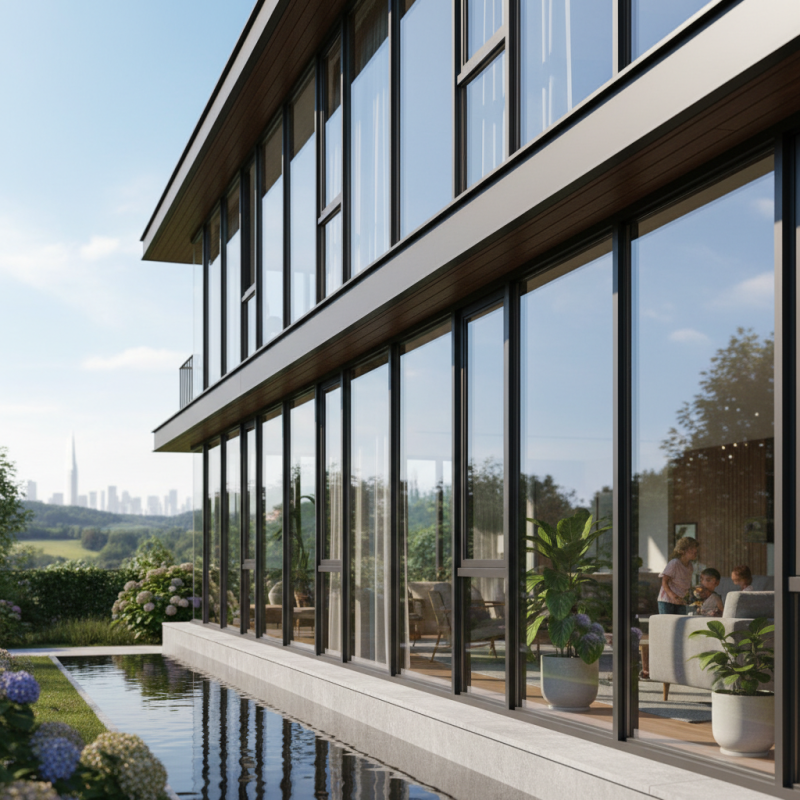
Top Global Trends in Residential Window Design and Materials in China
In recent years, China's residential window design and materials have been influenced by global trends.
Sustainability plays a crucial role.
A notable report by Statista indicates that the demand for energy-efficient windows has surged by 20% annually.
Homebuyers are increasingly looking for windows that offer superior insulation and reduced carbon footprints.
Innovations in double-glazing technology have become popular, allowing for better thermal performance.
Architects and designers are leaning toward minimalistic aesthetics in window design.
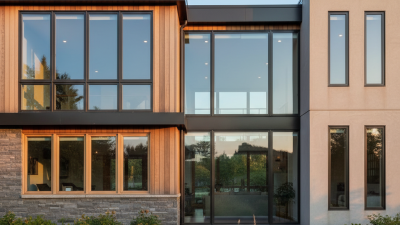
Large, floor-to-ceiling windows are favored. They maximize natural light and enhance indoor spaces.
The use of low-E glass—a product that reflects heat—has risen significantly.
It not only supports sustainability but also provides comfort in various climates.
Tips: When selecting windows, consider energy ratings.
Look for products that meet local energy efficiency standards. Pay attention to the materials used.
Wood, aluminum, and vinyl each offer unique benefits.
Do thorough research; not all suppliers maintain the same quality.
Understanding your needs will lead to better choices.
Key Manufacturers Leading the Residential Window Market in China
China's residential window market is dynamic and rapidly evolving. As urbanization increases, there is a growing demand for energy-efficient and aesthetically pleasing windows. In 2022, the market reached approximately $9.5 billion, with projections indicating a compound annual growth rate (CAGR) of around 5.8% through 2027. This growth may reflect a need for improved building materials and design innovation.
Key manufacturers in the industry are leading the way with advanced technologies. Many companies focus on energy efficiency, crucial in a country striving for sustainability. Reports indicate that double-glazed windows are increasingly popular among eco-conscious consumers, enhancing insulation and reducing energy bills. Furthermore, some manufacturers emphasize the importance of customization, catering to diverse architectural needs and preferences. However, this focus on efficiency often comes with a trade-off in terms of cost, making affordability a critical issue for many buyers.
While the market continues to grow, challenges are also apparent. A significant portion of consumers remains unaware of the various window types and their benefits. Education and outreach could bridge this gap, leading to more informed buying decisions. Additionally, lingering quality concerns around materials used in manufacturing could hinder market expansion. Achieving the right balance between cost, quality, and environmental impact will be essential for future growth in this competitive landscape.
Comparison of Energy Efficiency Ratings for Leading Window Types
Energy efficiency is crucial for residential windows in China. Many global buyers seek windows that meet high efficiency standards. According to the China National Laboratory for Energy Efficiency, the energy-saving potential of windows can reach up to 30% in residential buildings. This statistic highlights the importance of considering energy-efficient options.
When comparing window types, double-glazed windows often receive high ratings. They typically offer an insulation rating of R-3 to R-5. In contrast, single-glazed windows only achieve an R-value of about R-1. This stark difference underlines why double-glazed options are favored for energy savings. However, it's essential to note that not all double-glazed products perform equally. Variants depend on frame materials and gas fills used.
Furthermore, specialized coatings can improve efficiency. Low-emissivity (Low-E) coatings can reduce heat transfer by up to 50%. Despite these advances, buyers should reflect on the installation process. Poor installation can negate the benefits of even the most efficient windows. Thus, ensuring proper fitting is critical to achieving the advertised energy ratings.
Market Analysis: Growth and Demand for Residential Windows in China
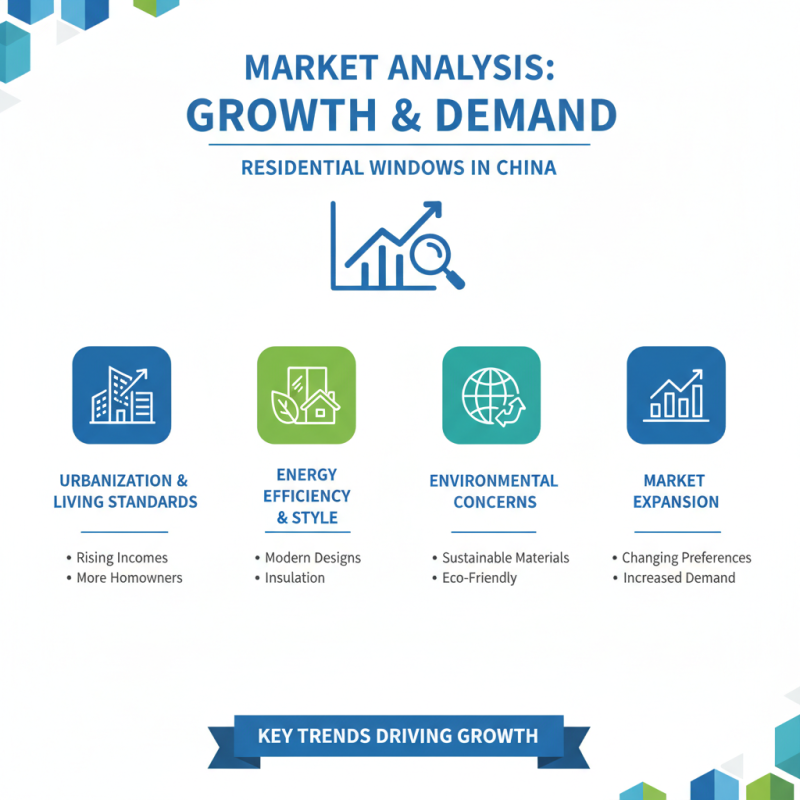
China's residential window market is experiencing significant growth. This increase is fueled by urbanization and rising living standards. More homeowners seek energy-efficient and stylish windows. Environmental concerns also drive demand for sustainable materials and designs. The market's expansion reflects changing consumer preferences.
One interesting aspect is the variety of materials available. Buyers can choose from vinyl, aluminum, and wood. Each material offers distinct advantages and challenges. For instance, vinyl is affordable but may lack the elegance of wooden frames. A growing number of consumers prioritize energy efficiency, making double-glazed options popular. However, some find these options pricey, raising questions about balancing cost and quality.
Despite this growth, challenges remain. The market faces issues like supply chain disruptions. Companies must adapt to fluctuating material costs. Additionally, educating buyers about window technology is vital. Many consumers are unaware of the benefits of advanced glazing options. This gap presents an opportunity for manufacturers to improve outreach efforts. Engaging customers through workshops and informative content is essential for building trust.
Challenges and Opportunities for International Buyers in China's Window Market
International buyers looking at China's window market face unique challenges. The variety of materials and styles can be overwhelming. Navigating cultural preferences and regulations adds to the complexity. Communication barriers often lead to misinterpretations. Buyers may also struggle with quality assurance when sourcing windows from different regions.
Opportunities are abundant, though. China's manufacturing capabilities are impressive, providing competitive pricing. Sustainable materials are increasingly available, appealing to eco-conscious buyers. Collaboration with local suppliers can yield valuable insights. However, staying updated with local trends requires dedication. It may also mean adapting to fluctuating market demands and consumer preferences. Continuous learning is essential for success in this dynamic environment.