Transforming your home not only enhances its aesthetic appeal but also contributes to energy efficiency, making external windows a crucial element in any renovation or construction project. The right external windows can elevate the style of your home while significantly reducing energy consumption, leading to lower utility bills and a more comfortable living environment. In this complete guide, we will explore the top five types of stylish and energy-efficient external windows that cater to both modern and traditional architectural designs.
Selecting the right external windows involves considering various factors such as material, design, and functionality. With an array of options available, it can be overwhelming to decide which windows best fit your home and lifestyle. This guide will simplify the decision-making process by highlighting the benefits of each window type, ensuring that you make an informed choice that aligns with your aesthetic preferences and energy-saving goals. Join us as we delve into the world of external windows and discover how they can transform not only your home’s appearance but also its energy performance.
Upgrading to energy-efficient external windows can significantly impact a home's energy savings. According to the U.S. Department of Energy, energy-efficient windows can reduce energy bills by 10-25%. This reduction is largely due to enhanced thermal performance, which minimizes heat loss during winter and heat gain in summer. By investing in high-performance window technologies, such as double or triple glazing, homeowners can maintain a comfortable indoor temperature while relying less on heating and cooling systems.
The financial benefits extend beyond immediate energy savings. Homeowners may also qualify for tax credits and rebates when upgrading to energy-efficient windows, further offsetting the initial investment. Additionally, properties featuring energy-efficient windows often see an increase in market value. Statistics show that homes with high-efficiency windows can fetch a higher resale price, appealing to environmentally conscious buyers looking for sustainable living options. Overall, the integration of stylish energy-efficient windows not only enhances the aesthetic appeal of a home but also profoundly contributes to long-term energy savings and cost efficiency.
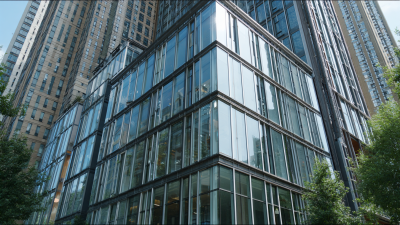
When it comes to enhancing your home's aesthetic and energy efficiency, the design of external windows plays a crucial role. One of the top trends in window design is the shift toward larger, panoramic windows that maximize natural light and offer stunning views. These expansive windows not only create a more open and airy feel within living spaces, but they also connect the indoors with the outdoors, blurring the lines between the two environments. Many homeowners are opting for floor-to-ceiling designs that serve as striking focal points, framing picturesque landscapes and enhancing curb appeal.
Another prominent trend is the use of energy-efficient materials and technologies. Windows crafted from triple-glazed glass or high-performance low-E coatings are becoming increasingly popular, as they effectively reduce heat transfer and improve insulation. This not only contributes to lower energy bills but also minimizes environmental impact. Furthermore, sleek frame designs in materials like fiberglass or aluminum are gaining traction, as they combine durability with a modern aesthetic. Homeowners are prioritizing functionality without sacrificing style, ensuring their choices reflect both their personal taste and commitment to sustainability.
When choosing external windows for your home, understanding window ratings, particularly Energy Star labels, can significantly impact your energy consumption and overall comfort.
According to the U.S. Department of Energy, homes with Energy Star-rated windows can reduce energy bills by 12% to 15%. This savings translates into hundreds of dollars annually, making Energy Star windows a smart investment not only in energy efficiency but also in your home’s value.
The Energy Star labeling program measures performance across various factors, including U-factor, solar heat gain coefficient (SHGC), and air leakage. For instance, windows with a low U-factor indicate better insulation against heat loss, while a lower SHGC rating reflects reduced heat gain from sunlight.
A 2021 report from the National Renewable Energy Laboratory emphasized that installing windows with a U-factor of 0.30 or lower in moderate climates can lead to energy savings as high as 30% over traditional windows. Homeowners looking to optimize their energy efficiency should prioritize these ratings when selecting new windows, ensuring they choose products that not only enhance aesthetics but also contribute to substantial long-term savings.
When it comes to selecting external windows for your home, the choice of materials plays a crucial role in both aesthetic appeal and energy efficiency. Vinyl windows have gained popularity due to their robust insulation properties and low maintenance requirements. According to the American Council for an Energy-Efficient Economy (ACEEE), vinyl windows can provide up to 30% better thermal performance compared to traditional wooden options. This makes them an ideal choice for homeowners looking to reduce energy costs while enhancing their home's comfort.
Wood windows, on the other hand, offer a timeless appeal that is hard to replicate. With a natural aesthetic that can blend seamlessly into various architectural styles, wood is often preferred for custom projects. However, they require regular maintenance to prevent rot and warping. The U.S. Department of Energy states that properly maintained wooden windows can last a lifetime and provide effective insulation, but homeowners must consider the long-term upkeep involved.
Aluminum windows present a contemporary alternative that boasts durability and resistance to the elements. Modern advancements have led to improved thermal breaks in aluminum designs, making them more energy-efficient than previous generations. According to a report by the Fenestration and Glazing Industry Alliance (FGIA), aluminum windows with thermal breaks can achieve energy efficiency ratings comparable to vinyl and wood windows. Thus, the choice between vinyl, wood, and aluminum ultimately depends on individual priorities, including aesthetics, maintenance, and long-term energy savings.
When installing external windows, adhering to best practices is crucial for achieving maximum energy efficiency and longevity. First and foremost, proper measurement is essential. Ensure that the window openings are accurately measured to accommodate the new windows without gaps, which can lead to drafts and energy loss. Weather conditions can also play a significant role; choosing a dry day for installation helps sealants cure properly and prevents water infiltration. Utilizing flashing tape and a house wrap around the window helps create a weatherproof barrier that further enhances efficiency.
Additionally, selecting high-quality materials cannot be overstated. Opt for windows with energy-efficient glazing, which can significantly reduce heating and cooling costs. The installation technique itself is another factor that influences longevity; windows should be square, level, and plumb to ensure they operate smoothly over time. Proper insulation should be employed around the frames, using materials that prevent condensation and air leaks. By focusing on these installation best practices, homeowners can enjoy stylish, energy-efficient windows that not only elevate their home’s aesthetic but also contribute to sustainable living.