Best High Performance Windows for Energy Efficiency in 2026?
As we approach 2026, the demand for "High Performance Windows" continues to rise. Experts emphasize their role in energy efficiency and sustainability. John Anderson, a leading figure in the energy-efficient building industry, states, “High Performance Windows are crucial for reducing energy costs.” His insights highlight the significance of selecting windows that not only meet aesthetic standards but also enhance energy savings.
The technology behind High Performance Windows is rapidly evolving. These windows incorporate advanced glazing, insulation, and frame materials. They reduce heat loss in winter and minimize heat gain in summer. However, many homeowners still overlook their benefits. The initial investment can seem daunting, but the long-term savings often justify the cost.
Yet, challenges remain. Not all products labeled as high performance deliver the promised outcomes. The market is flooded with options, complicating the decision-making process. Users must conduct thorough research to ensure they are choosing reliable and effective products. This diligence ultimately leads to better energy efficiency and a more sustainable future.
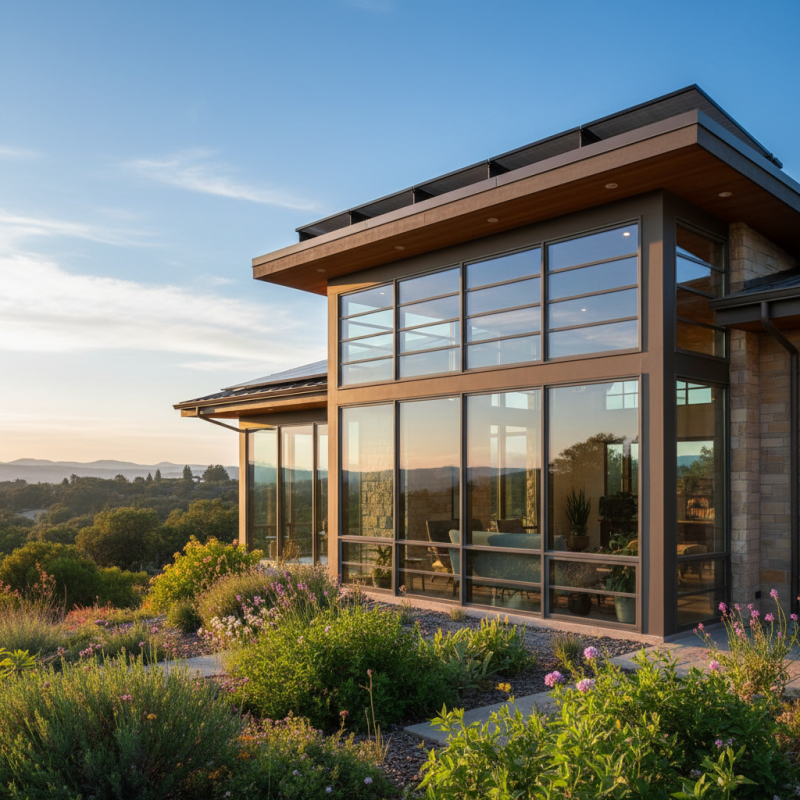
The Importance of Energy-Efficient Windows in Modern Construction Practices
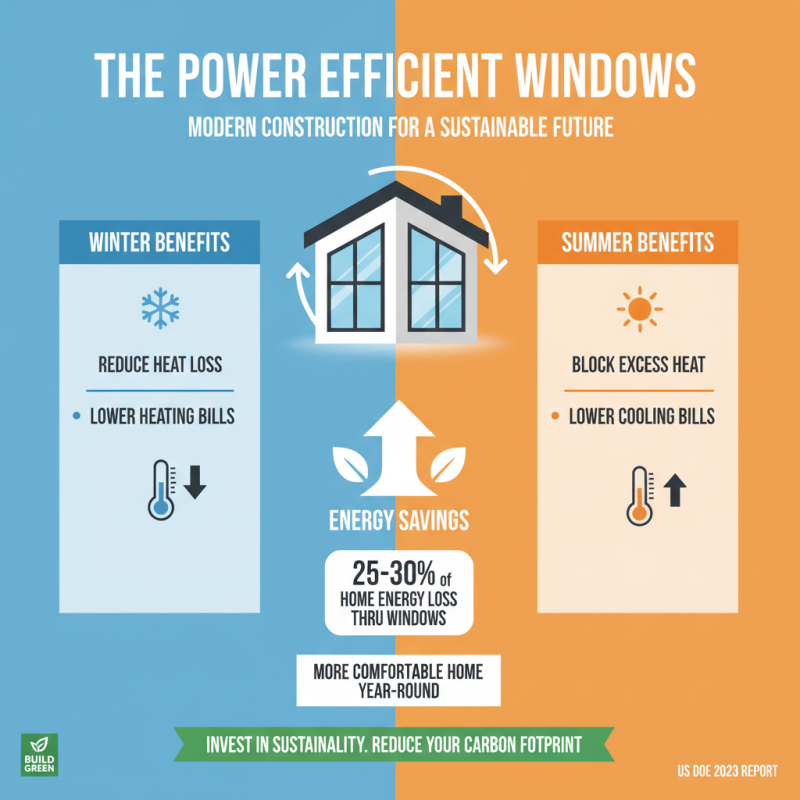
The importance of energy-efficient windows cannot be overstated in modern construction. In 2023, the U.S. Department of Energy reported that windows account for about 25-30% of residential heating and cooling energy use. By investing in high-performance windows, homeowners can significantly decrease their energy consumption. This creates a more sustainable environment.
However, many builders still overlook proper window installation techniques. A poorly installed window can lead to air leaks, reducing energy efficiency. According to the National Renewable Energy Laboratory, improving the installation quality of windows could yield energy savings of up to 20%.
Choosing the right glazing option is also crucial. Low-emissivity (Low-E) glass can improve efficiency by reflecting heat while allowing natural light. According to the Lawrence Berkeley National Laboratory, homes with Low-E windows can achieve energy savings of 20-30%. Despite the clear benefits, some homeowners hesitate due to upfront costs. This reflects a broader issue: balancing immediate expenses with long-term savings. Challenges remain in educating consumers about these energy-efficient solutions.
Key Performance Metrics for High-Efficiency Windows: U-Value and SHGC
When choosing high-performance windows for energy efficiency, two critical metrics stand out: U-Value and Solar Heat Gain Coefficient (SHGC). U-Value measures the rate of heat transfer. A lower U-Value indicates better insulation. This helps to keep homes warm in winter and cool in summer. Effective insulation can significantly reduce energy consumption. Homeowners often overlook this, focusing instead on aesthetics.
SHGC quantifies how much solar radiation passes through the window. A lower SHGC value means less heat from the sun enters the home. This is particularly important in warmer climates. However, too low a value might block beneficial winter sunlight. Balancing these metrics is essential for optimal performance.
Many homeowners face challenges when interpreting these values. It's easy to become overwhelmed by technical details. Yet, understanding U-Value and SHGC can lead to smarter choices. Those who engage with this knowledge often see improved comfort and reduced energy bills. Investing time in research pays off in the long run.
Best High Performance Windows for Energy Efficiency in 2026
| Window Type |
U-Value (W/m²K) |
SHGC |
Energy Rating |
Average Cost ($) |
| Triple Glazed |
0.15 |
0.25 |
A+ |
600 |
| Double Glazed Low-E |
0.25 |
0.30 |
A |
450 |
| Vinyl Frame |
0.28 |
0.35 |
B |
400 |
| Wood Frame |
0.23 |
0.28 |
A |
500 |
| Aluminum Composite |
0.30 |
0.40 |
C |
550 |
Comparative Analysis of Window Materials: Vinyl, Wood, and Fiberglass
When considering window materials, energy efficiency is a key factor.
Vinyl, wood, and fiberglass all have distinct properties that impact their performance.
According to the National Fenestration Rating Council (NFRC), energy-efficient windows can reduce heating and cooling costs by 12% to 30%.
Vinyl windows are often praised for their low thermal conductivity. They offer a good insulating performance, but can expand and contract with temperature changes.
This can lead to potential sealing issues over time.
Wood windows, while aesthetically pleasing, often require more maintenance. They provide excellent insulation and have a natural beauty.
However, they are susceptible to moisture, which can cause rot if not properly treated.
Reports indicate that untreated wood can lose its insulating properties after several years, raising energy costs.
Fiberglass windows exhibit high durability and strong energy performance. They typically have low expansion rates, ensuring better seal integrity.
The U.S. Department of Energy states that fiberglass outperforms wood and vinyl in extreme weather conditions.
However, the cost of fiberglass can be a barrier for many homeowners.
Each material has its strengths and weaknesses. Selecting the best option depends on specific needs and environmental conditions.
Emerging Technologies in Window Insulation and Coatings for 2026
As we approach 2026, emerging technologies in window insulation and coatings are reshaping energy efficiency. Companies are developing advanced materials that significantly reduce heat transfer. These innovations promise to enhance residential and commercial buildings' energy performance.
One notable trend is the use of aerogel-based coatings. These materials provide excellent thermal insulation while being lightweight. They can be applied as thin layers, allowing for better aesthetics without compromising performance. However, the manufacturing process still faces challenges, such as cost efficiency and scalability.
Another promising area involves smart window technologies. Electrochromic glass can change its tint based on light exposure. This capability helps regulate indoor temperatures. However, these systems can be complex and expensive. Not all consumers may see their value. The quest for perfect energy-efficient windows continues, with much to learn from real-world applications.
Best High Performance Windows for Energy Efficiency in 2026
Cost-Benefit Considerations for Upgrading to High Performance Windows
When considering high-performance windows for energy efficiency, cost-benefit analysis is crucial. The U.S. Department of Energy reports that replacing single-pane windows with energy-efficient alternatives can reduce energy costs by up to 30%. This significant savings can offset the initial investment over time.
However, the upfront cost of these windows can be steep. Homeowners might face expenses ranging from $300 to $1,000 per window, depending on materials and installation. This can lead to concern about budget constraints. An analysis from the National Association of Home Builders suggests that lower energy bills may not fully recover the costs within a short timeframe. It’s essential to weigh the long-term benefits against immediate financial strains.
Furthermore, many consumers underestimate maintenance aspects. Energy-efficient windows often require proper sealing and occasional upkeep to maintain their performance. This reality may not be reflected in initial cost assessments. A careful evaluation of both savings and maintenance will provide a clearer picture of true value. Balancing these factors can guide homeowners toward making an informed decision.