Leave Your Message

10 Best Wood Casement Windows Suppliers Worldwide?

Choosing among the 10 Best Wood Casement Windows Suppliers Worldwide requires more than comparing catalog photographs. A well-made window should open smoothly, seal tightly, and remain stable through changing seasons. Experienced buyers often inspect timber selection, joinery, glazing systems, hardware quality, and finishing methods before placing an order. These details affect comfort, maintenance, energy performance, and service life.

This guide reviews suppliers of Wood Casement Windows through practical and professional criteria. The assessment considers manufacturing experience, quality certifications, customization options, warranty clarity, installation support, and customer feedback. It also examines whether suppliers provide responsibly sourced timber and reliable technical documentation. A beautiful oak frame means little if measurements are unclear or replacement parts are unavailable.

No supplier is perfect.

Climate matters. A coastal project may need different coatings from a dry inland renovation. European-style fittings may also require local compatibility checks. Prices can change with timber availability, glazing specifications, shipping costs, and exchange rates. Therefore, this selection should support careful comparison rather than replace project-specific advice.

Where possible, buyers should request corner samples, finish swatches, performance data, and recent project references. Speaking with a supplier’s technical team can reveal more than polished marketing language. Ask about moisture content, factory tolerances, drainage design, and after-sales response times. Some manufacturers communicate brilliantly but struggle with delivery consistency. Others offer excellent craftsmanship yet provide limited customization. That distinction deserves attention.

The following overview highlights internationally recognized suppliers and explains where each may fit different residential or heritage applications. It aims to remain useful, transparent, and realistic for architects, contractors, renovators, and homeowners.
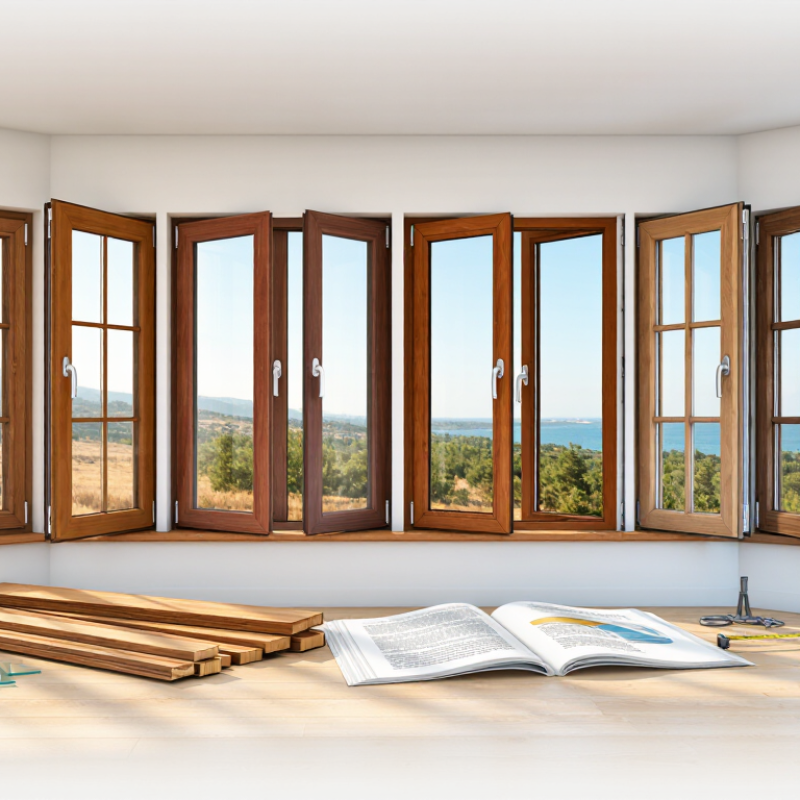
10 Best Wood Casement Windows Suppliers Worldwide?

What Are Wood Casement Windows?

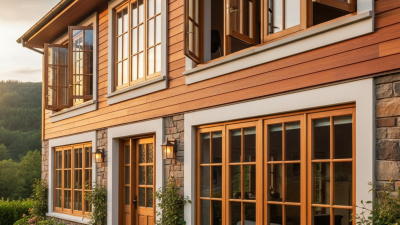
Wood casement windows are side-hinged windows that open outward like a small door. Their sashes usually turn from a vertical frame, using hinges and a crank or handle. This design directs fresh air inward, even when the wind moves across the wall.

Wood provides a warm, tactile surface. You can see the grain near the handle and feel a slight texture under the paint. It also offers useful insulation, but performance depends on glass, seals, installation, and maintenance. The U.S. Department of Energy estimates that windows account for about 25–30% of residential heating and cooling energy use. That figure is not universal. Climate, shading, and home orientation change the result.

For buyers comparing worldwide suppliers, check tested U-values, solar heat-gain coefficients, air leakage, and water resistance. The National Fenestration Rating Council uses these measurements for comparable window performance. A well-made casement can seal tightly when closed, reducing drafts around the frame. However, wood can swell after repeated rain exposure. It may also require repainting, especially on the lower exterior rail. The Forest Products Laboratory identifies properly managed wood as a renewable building material, but certification and moisture control still matter. Do not choose by appearance alone. A beautiful frame with weak drainage becomes an expensive lesson.
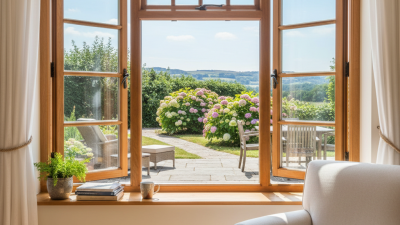
Key Criteria for Comparing Global Suppliers

When assessing the 10 best wood casement window suppliers worldwide, compare performance before appearance. The U.S. Department of Energy reports that windows can cause 25–30% of residential heating and cooling energy use. Ask suppliers for tested U-factors, solar heat gain coefficients, air-leakage rates, and water-resistance results. These figures matter more than attractive brochures.

Use independent evidence. The International Energy Agency’s Buildings 2023 report states that buildings consume about 30% of global final energy. A supplier should therefore provide verified thermal data, not vague efficiency claims. Check whether products follow recognized testing systems, such as NFRC procedures, EN standards, or equivalent regional requirements. Also examine timber sourcing, moisture content, preservative treatment, glazing options, and paint durability. Small details matter.

Service can expose weak suppliers quickly. Compare warranty length, replacement-part access, installation training, export packaging, and response times across climates. Ask for project references in coastal, cold, and high-humidity regions. Certifications for responsible forestry can strengthen supply-chain credibility, but certification alone does not guarantee good installation. That part is often underestimated. I would also request a full quotation covering hardware, taxes, shipping, and site adjustments. Hidden costs can distort rankings. Some suppliers provide excellent laboratory results but limited after-sales support; that uncomfortable gap deserves careful attention.

10 Best Wood Casement Windows Suppliers Worldwide? - Key Criteria for Comparing Global Suppliers

Supplier Profile Primary Production Region Typical Market Position Wood Species Commonly Offered Glazing and Thermal Capability Relevant Standards to Request Indicative Lead Time Customization Capacity Export Readiness Warranty Benchmark Indicative Comparison Score
Profile A Central Europe Premium energy-efficient projects European oak, meranti, larch, pine Double or triple glazing; typical whole-window U-value approximately 0.75–1.30 W/m²K, depending on configuration EN 14351-1, EN 12207 air permeability, EN 12208 watertightness, EN 12210 wind resistance 10–16 weeks High High 5–10 years 93/100
Profile B Northern Europe Low-energy and cold-climate construction Nordic pine, spruce, oak, Accoya-type modified timber Triple glazing is widely available; low-emissivity coatings and warm-edge spacers commonly specified EN 14351-1, CE marking where applicable, EN 12207, EN 12208, EN 12210 12–20 weeks High High 5–10 years 92/100
Profile C United Kingdom and Ireland Heritage renovation and bespoke residential work Red grandis, oak, pine, sapele, engineered hardwood Double glazing is standard; slim-profile and heritage-style insulated units often available BS EN 14351-1, BS 6375 weather performance, PAS 24 where security certification is required 8–14 weeks High High 5–10 years 90/100
Profile D North America Custom architectural and replacement windows Douglas fir, western red cedar, pine, oak, mahogany Insulating glass units with argon fill; low-E coatings and impact-resistant glass may be specified AAMA/WDMA/CSA 101/I.S.2/A440, NFRC thermal ratings, ASTM E283, ASTM E331, ASTM E547 10–18 weeks High Medium 5–20 years by component 89/100
Profile E Eastern Europe Value-focused export manufacturing Spruce, pine, larch, oak, meranti Double and triple glazing; typical center-glass U-values around 0.5–1.1 W/m²K depending on glass build-up EN 14351-1, EN 12207, EN 12208, EN 12210, FSC or PEFC chain-of-custody evidence where claimed 8–14 weeks High High 3–10 years 87/100
Profile F Scandinavia High-performance timber and timber-aluminium systems Nordic pine, spruce, oak, larch Triple glazing, deep frames, insulated spacers and external aluminium protection commonly available EN 14351-1, EN 12207, EN 12208, EN 12210, product-specific environmental documentation 12–22 weeks Medium–High High 5–10 years 91/100
Profile G Oceania Coastal, tropical and high-sun residential applications Meranti, western red cedar, spotted gum, oak, treated pine Double glazing, solar-control glass and corrosion-resistant hardware are commonly specified for exposed locations AS 2047, AS/NZS 4666, AS 4420 test methods, local wind-load and water-penetration requirements 10–18 weeks High Medium 5–10 years 86/100
Profile H Western Europe Design-led renovation and luxury residential projects Oak, larch, pine, eucalyptus, engineered hardwood Double or triple glazing; acoustic, solar-control and decorative glass options are typically available EN 14351-1, EN 12207, EN 12208, EN 12210, ISO 14001 or EPD documentation where available 12–20 weeks High High 5–10 years 90/100
Profile I East Asia OEM and project-volume manufacturing Meranti, pine, cedar, larch, engineered finger-jointed timber Double glazing is common; triple glazing and custom glass specifications are available for larger projects ISO 9001, EN 14351-1 for European projects, ASTM or AAMA testing for North American projects 12–24 weeks including export logistics High High 3–10 years 84/100
Profile J Southern Europe Traditional-style and warm-climate timber windows European oak, pine, iroko, meranti, chestnut Double glazing, solar-control coatings and ventilated drainage details commonly offered for warmer climates EN 14351-1, EN 12207, EN 12208, EN 12210, FSC or PEFC documentation where applicable 8–16 weeks High Medium–High 3–10 years 85/100

Note: The profiles and scores are comparative market benchmarks rather than claims about named companies. Actual performance, certification, lead time, warranty coverage and timber legality should be verified through current test reports, product declarations, project references and written quotations.

10 Leading Wood Casement Window Suppliers Worldwide

The 10 leading wood casement window suppliers worldwide are not defined by advertising alone. They earn trust through stable manufacturing, clear specifications, and documented performance. Experienced buyers inspect timber species, moisture content, finger-jointed sections, and corner joinery before comparing prices. A well-made sash should open smoothly without dragging. Small details matter.

Reliable suppliers usually offer responsibly sourced timber, low-emission finishes, insulated glazing, and replaceable weather seals. Their technical teams should explain thermal values, drainage design, hardware options, and maintenance needs in plain language. Factory quality checks may include moisture testing, coating thickness, glass alignment, and repeated opening cycles.

Ask for test reports.
Ask for samples.

Regional suitability also matters. A window designed for a mild coastal climate may need different seals and coatings in cold, wet, or high-sun locations. Leading suppliers should provide installation drawings, packaging protection, spare parts, and realistic delivery schedules. Warranty terms deserve close reading, especially for paint, glass, hardware, and timber movement. Some suppliers appear impressive online but provide limited after-sales support. That is a warning. Global supplier rankings can change, and public claims are not always independently verified. Buyers should compare recent project evidence, third-party certifications, customer references, and local installer feedback before making a decision. Even excellent windows can fail when installed poorly.

How to Evaluate Quality, Sustainability, and Customization

Evaluating the 10 best wood casement window suppliers requires evidence, not attractive photography. A reliable supplier should provide test results for U-value, air leakage, water tightness, wind resistance, and sound insulation. EN 14351-1 offers a useful European performance framework. The U.S. Department of Energy estimates that windows can cause 25–30% of residential heating and cooling energy use. Poor seals become expensive quickly. Do not trust a glossy sample alone. Check timber moisture content, joint precision, glazing spacers, drainage paths, and hardware corrosion resistance. Request independent laboratory reports, not only internal claims.

Sustainability needs traceability. The 2023 Global Status Report for Buildings and Construction reported that buildings and construction consumed 32% of global energy and produced about 34% of global carbon dioxide emissions in 2022. Wood selection therefore matters, but “natural” does not automatically mean responsible. Ask for certified forest-chain documentation, species information, recycled-content evidence, finishing-system data, and an environmental product declaration when available. Water-based coatings may reduce emissions, yet durability must be verified. A beautiful finish that fails after two winters is not sustainable. That deserves scrutiny.

Customization should be measured in drawings and samples. Confirm frame depth, glazing thickness, opening direction, hardware position, insect-screen compatibility, and replacement-part availability. Coastal projects need stronger corrosion protection; historic homes may require unusual profiles. Ask for a full-size corner mock-up and written tolerances. I would also inspect one completed installation, if possible. Supplier brochures can omit defects. My own evaluation could still miss regional installation risks, so independent inspection remains worthwhile.

Choosing the Right Supplier for Your Project

Choosing the right wood casement window supplier requires more than comparing catalog prices. Timber quality, glazing performance, installation support, and documentation should guide the decision. The U.S. Department of Energy reports that windows can cause 25–30% of residential heating and cooling energy use. Ask suppliers for tested U-values, air-leakage results, and water-resistance data. Vague claims are not enough.

Request a full-size sample before placing a large order. Inspect the corner joints, drainage paths, paint coverage, hardware movement, and seal compression. A reliable supplier should explain timber moisture control and provide batch traceability. The 2024 IEA Global Status Report states that buildings consume about 30% of global final energy. Better windows will not solve every efficiency problem, but weak windows can undermine a well-designed envelope.

Project conditions also matter. Coastal sites need stronger corrosion protection and careful finishing schedules. Cold climates may require insulated glazing and warm-edge spacers. Confirm replacement-part availability, packaging methods, lead times, and written warranty terms.

Supplier interviews often reveal more than brochures. One overlooked issue is installer training; even a well-tested window can leak after poor fitting. I would also reconsider selecting the cheapest quotation, because future repainting, adjustment, and water damage may cost far more. Industry certifications help, but they should support physical evidence, not replace it.