When considering the best residential windows for your home, various options emerge. These windows impact both style and energy efficiency. Choosing the right type can feel overwhelming due to the myriad of choices available.
Residential windows come in different materials, such as vinyl, wood, and aluminum. Each has its advantages and disadvantages. For instance, while vinyl windows are often energy-efficient, they may lack the aesthetic appeal of wood. It's essential to balance practicality with appearance.
Exploring these options requires not just research, but real-world experience. Homeowners often share their insights about durability and maintenance. It's vital to consider feedback from trusted sources when making a decision. This journey towards selecting the right residential windows can shape your living space significantly.
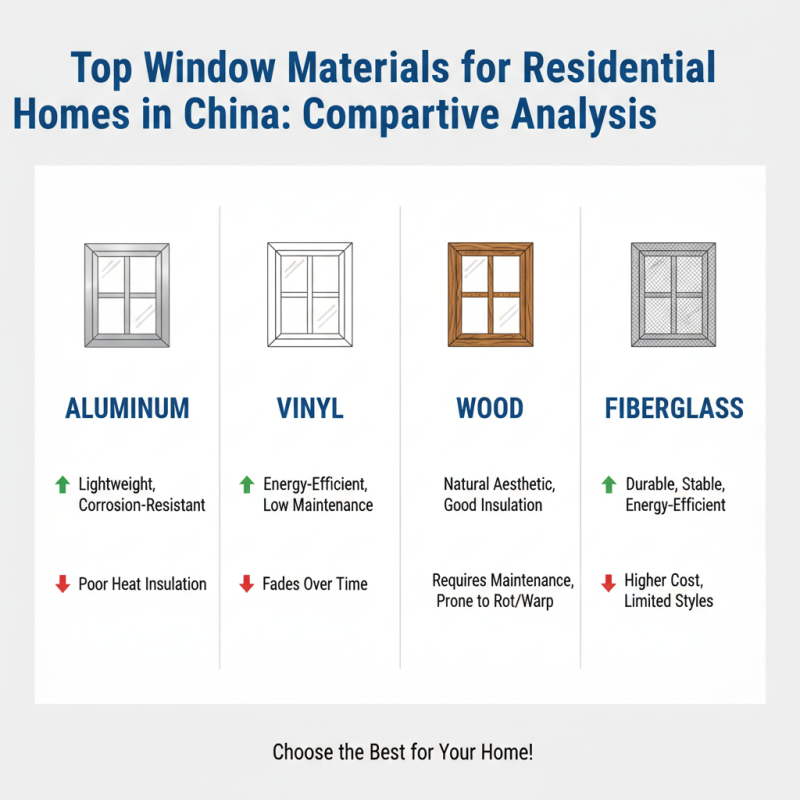
When selecting windows for residential homes in China, the choice of materials is crucial. Popular options include aluminum, vinyl, wood, and fiberglass. Each material offers distinct benefits and drawbacks. Aluminum windows are lightweight and resistant to corrosion, but they may conduct heat poorly. Vinyl windows are energy-efficient and require little maintenance, yet can fade over time.
Wood windows bring aesthetic appeal and excellent insulation, but they often need regular upkeep. Fiberglass windows can mimic the look of wood while offering durability and energy efficiency. However, they can be more costly upfront. Understanding these materials can lead to better decisions for your home.
In residential areas, local climate plays a significant role in window selection. For regions with high humidity, wood may not perform well without proper treatment. Similarly, urban environments may benefit from the sturdiness of aluminum. However, selecting the right window materials often requires a balance between beauty, cost, and functionality. Homeowners should carefully weigh their options while considering how each choice might influence long-term energy efficiency and maintenance needs.
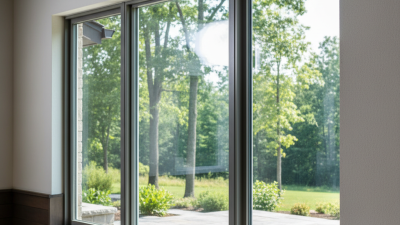
When considering residential windows, energy efficiency plays a crucial role. In China, various energy efficiency ratings help homeowners make informed decisions. These ratings reflect a window's performance in terms of heat transfer, insulation, and overall energy-saving potential. According to recent industry reports, windows with a U-factor of 0.32 or lower are considered energy efficient.
Understanding these ratings requires careful evaluation. For instance, the Solar Heat Gain Coefficient (SHGC) influences how much solar energy enters through a window. A lower SHGC can improve energy efficiency in hot climates. Conversely, a higher SHGC may benefit colder regions by allowing more sunlight to heat the interior. Not all windows meet the ideal specifications for every climate. Homeowners must weigh their options accordingly.
Moreover, the choice of materials affects energy ratings significantly. Double-glazed windows are often more energy efficient than single-glazed options. However, they also tend to be more expensive. This price point may lead some homeowners to choose less efficient options, ultimately increasing energy costs over time. It's essential to consider both initial investment and long-term savings when selecting windows.
When choosing residential windows in China, it's essential to understand the market landscape. Research shows that the window industry has experienced a compound annual growth rate of 7.7% from 2016 to 2021. Many leading manufacturers dominate the high-quality segment. These companies have gained significant market share, driven by innovation and sustainability initiatives.
Quality assurance is crucial when selecting windows. A recent industry report indicates that energy-efficient windows can reduce heating and cooling costs by up to 30%. This efficiency leads to lower energy bills and a smaller carbon footprint. Consumers should consider materials like vinyl and fiberglass, which offer durability and insulation properties.
Tips: Pay attention to energy ratings. Look for windows with a high U-factor. This rating signifies better insulation. Verify warranty coverage, as quality windows often come with extended protection. Researching industry standards can guide you to a well-informed choice. Reflect on your specific needs—style, climate, and budget.
This bar chart illustrates the market share of different window materials commonly used in residential construction in China. The data reflects the preferences of homeowners for various materials, indicating their popularity and usability in different environments.
In recent years, window designs for Chinese homes have seen a remarkable evolution. Homeowners now prefer large windows that allow plenty of natural light. These windows create a sense of openness and connection with the outside world. Many designs now feature a blend of modern and traditional Chinese aesthetics, making them visually appealing.
Functionality is equally important. Energy-efficient windows are gaining popularity, helping to regulate indoor temperatures. Double-glazed options are common, as they improve insulation and reduce noise pollution. However, not all homes have the right structure for these installations. This can lead to issues with condensation and heat retention.
Sustainability is another significant trend. Many homeowners are choosing eco-friendly materials, such as bamboo and recycled aluminum. These options not only look great but also minimize environmental impact. Yet, the challenge lies in balancing style and practicality. Some designs may not withstand extreme weather conditions, which can be a concern.
Choosing the right windows for your home is critical. Homeowners in China face various options, each with distinct costs and benefits. Common materials include uPVC, aluminum, and wood. Each brings different energy efficiencies and aesthetics. Understanding these aspects can lead to wiser investments.
uPVC windows are popular due to their durability and insulation. They tend to require less maintenance, making them budget-friendly over time. However, their initial cost might be higher than other materials. In comparison, aluminum windows offer sleek designs but often lack the same energy efficiency as uPVC. This can result in higher heating costs during colder months.
Wooden windows are visually appealing but can be pricier and need regular maintenance. Homeowners must weigh the beauty against long-term expenses. The local climate should influence the choice. For example, areas with high humidity may require more resilient materials. Making a decision should involve reflecting on personal needs and budget. Understanding these factors is crucial for a wise investment that balances aesthetics and functionality.