Discover High Performance Windows for Optimal Energy Savings?
High performance windows are becoming essential for energy efficiency in today's buildings. According to Dr. Emily Carter, a leading expert in sustainable architecture, “Investing in high performance windows is investing in the future.” This statement emphasizes the importance of advanced window technology in reducing energy consumption and enhancing comfort.
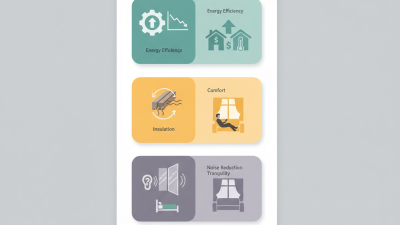
The benefits of high performance windows extend beyond mere energy savings. They can improve indoor air quality and reduce noise pollution. With advancements in glazing and frame materials, these windows can better insulate homes against extreme temperatures. This technology plays a crucial role in achieving greener buildings. However, not all options are created equal. Some homeowners may choose less efficient models, driven by initial costs.
Selecting the right high performance windows requires careful consideration. It's essential to evaluate factors such as climate, building orientation, and budget. While the market offers a plethora of choices, finding the ideal match can be overwhelming. It’s a decision that impacts not just energy bills but overall well-being in living spaces. Reflecting on these aspects can lead to more informed choices for energy-efficient homes.
Understanding Energy Efficiency Ratings for Windows
When selecting new windows, understanding energy efficiency ratings is crucial. These ratings provide insight into how well windows insulate your home. In particular, the U-factor measures heat transfer. A lower U-factor indicates better insulation performance. This can lead to reduced heating and cooling costs.
Another important rating is the Solar Heat Gain Coefficient (SHGC). This measurement shows how much solar heat is allowed to enter your home. A lower SHGC is desirable in hot climates. This can prevent indoor temperatures from soaring. High-performance windows can significantly impact energy savings.
Many homeowners overlook these details. They might choose windows based solely on appearance, neglecting efficiency. This can lead to increased energy bills and discomfort. It is essential to balance aesthetics with performance. Effective windows not only enhance curb appeal but also create a more energy-efficient home. Taking time to explore these ratings can yield long-term benefits.
Discover High Performance Windows for Optimal Energy Savings
| Window Type |
U-Value (W/m²K) |
Solar Heat Gain Coefficient (SHGC) |
Visible Transmittance (VT) |
Energy Star Rating |
| Double-glazed |
1.2 |
0.38 |
0.80 |
Yes |
| Triple-glazed |
0.9 |
0.30 |
0.75 |
Yes |
| Low-E |
1.1 |
0.25 |
0.70 |
Yes |
| Vinyl frame |
1.4 |
0.40 |
0.78 |
No |
| Aluminum frame |
1.5 |
0.31 |
0.73 |
No |
Types of High-Performance Window Technologies Available
High-performance windows play a crucial role in energy efficiency. Many types exist, each offering unique benefits. One well-known option is double-glazed windows. These windows contain two layers of glass, creating an insulating air space. This barrier reduces heat transfer, keeping homes cooler in summer and warmer in winter. The result? Lower energy bills and improved comfort levels.
Another technology is low-emissivity (Low-E) coatings. These coatings reflect heat while allowing light to enter. They can significantly enhance energy efficiency. When sunlight hits the glass, Low-E coatings prevent heat from escaping. This is especially beneficial in climates with extreme temperature fluctuations. They also help protect furniture and flooring from sun damage.
A third option involves gas-filled windows. Argon and krypton gases are commonly used for this purpose. These gases are denser than air, providing added insulation. However, some homeowners may struggle with the upfront costs of these technologies. While the long-term savings can be substantial, it's important to weigh initial investments and potential returns. Energy-efficient windows are an excellent choice for the environment and for personal finances.
Key Features of Low-E Glass and Insulating Frames
Low-E glass is an essential feature in high-performance windows. It minimizes the amount of infrared and ultraviolet light that enters a home, while still allowing natural light to come through. According to the U.S. Department of Energy, homes with Low-E glass can save up to 30% on energy costs. This type of glass reflects heat back into the room during winter while blocking it in summer. The effectiveness of Low-E glass can significantly improve indoor comfort levels.
Insulating frames play a crucial role in energy efficiency. Frames made from materials like vinyl or fiberglass reduce thermal bridging, thereby lowering heat loss or gain. The National Fenestration Rating Council (NFRC) states that windows with insulating frames can achieve an overall energy performance rating that is superior to traditional materials. In fact, homes equipped with these windows show a notable drop in energy usage over time, illustrating the importance of choosing the right frame.
Despite these advancements, not all windows utilize these technologies. Some facilities may still rely on older models with conventional glass. This can lead to increased energy bills and reduced comfort. As building codes evolve, it's essential to assess existing windows to ensure they meet current energy efficiency standards and actually contribute to overall savings. Embracing these modern features can lead to significant benefits in both residential and commercial properties.
Energy Efficiency Comparison of Window Features
Comparing the Energy Savings of Double vs. Triple Glazing
When comparing double and triple glazing, the energy savings can be significant. Double glazing consists of two panes of glass. It provides decent insulation by trapping air between the panes. This setup reduces heat loss and can lead to lower energy bills. However, triple glazing adds a third pane. This additional layer greatly enhances thermal performance.
The difference between the two is clear. Triple-glazed windows tend to have lower U-values, meaning they provide better insulation. In colder climates, this can make a big impact. Homeowners might find that triple glazing keeps their homes warmer. It may also reduce the need for heating systems to run as often. This results in additional savings over time.
Despite these advantages, triple glazing can be heavier and more expensive. Installation may require stronger frames and more careful planning. Some might wonder if the upfront costs justify the long-term savings. Each home is unique, so it’s essential to assess individual needs and budgets. The choice between double and triple glazing often involves weighing immediate costs against future energy savings.
Local Climate Impact on Window Performance and Energy Costs
When considering window performance, local climate plays a significant role. For instance, homes in colder climates may benefit from double-glazed windows. According to the US Department of Energy, these windows can reduce heat loss by 50%. In contrast, regions with warmer climates might prioritize solar control windows to minimize cooling costs. Improper window selection can lead to inefficiencies, resulting in higher energy bills.
Research shows that a well-chosen window can save a household between 10% to 25% on energy costs. However, many homeowners overlook the impact of their local weather patterns. A study by the National Renewable Energy Laboratory notes that temperature fluctuations greatly influence window performance. For example, windows that excel in one state may not perform well in another. This discrepancy can lead to unexpected energy expenses.
Investing in high-performance windows should be considered with local conditions in mind. Some homeowners report dissatisfaction with their window choices due to a lack of understanding of climate-specific needs. It's essential to evaluate energy ratings and climate zone recommendations. Making informed decisions can lead to significant energy savings and increased comfort in the long run.