What is External Windows and How Do They Enhance Your Space?
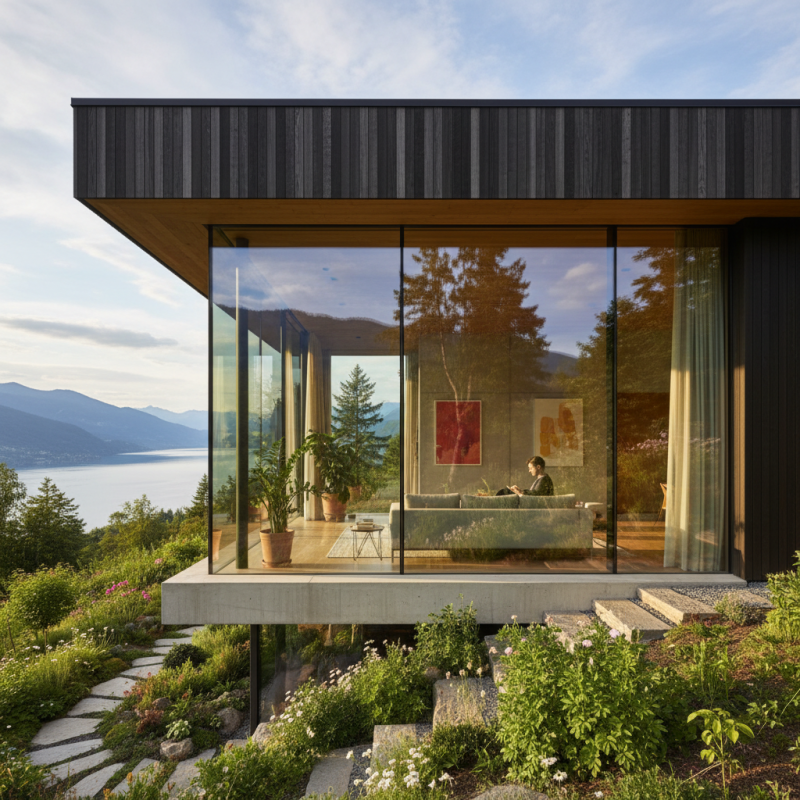
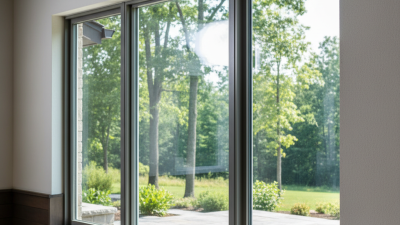
External windows are a vital feature in modern architecture. They do more than just let light in. These windows create a connection between the interior and exterior of a space.
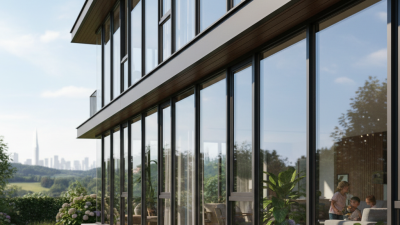
With various styles and designs, external windows can dramatically enhance your environment. They allow natural sunlight to bathe rooms, improving mood and energy efficiency. The right choice of windows can transform a dreary area into a vibrant space. However, it is essential to consider the building's overall design and location.
While exploring options for external windows, think about their impact on aesthetics and functionality. You may find that larger panes create a lovely view but may reduce privacy. Sometimes, the benefits come with trade-offs, reminding us that thoughtful choices lead to diverse outcomes. Overall, external windows are not just enhancements; they are essential in shaping how we experience any space.
Understanding External Windows: Definition and Characteristics
External windows play a crucial role in enhancing the overall atmosphere of a space. They are defined as openings in the walls of a building that allow for natural light and fresh air. One key characteristic of external windows is their ability to connect the indoors with the outdoors. This connection can lead to feelings of spaciousness and well-being.
The design of external windows can vary widely, impacting both aesthetics and functionality. Large windows can flood a room with sunlight, creating a warm and inviting environment. Smaller windows might offer a cozy feel, but could limit light. The choice of glazing and frame materials also influences energy efficiency. Poorly designed windows can lead to heat loss or gain.
Reflecting on window selections reveals a balance between style and practicality. Choosing the right window involves considering climate, location, and personal preferences. We must be aware of how design choices can affect our comfort and energy bills. Not all windows will perform equally, and understanding their characteristics can lead to more informed decisions.
The Benefits of External Windows in Space Enhancement
External windows play a vital role in enhancing the feel and functionality of any space. They provide natural light, which can transform a dim room into a vibrant one. Sunlight boosts mood and energy. With external windows, you can enjoy beautiful views as well. Nature becomes a part of your home.
The benefits of external windows extend beyond aesthetics. They improve airflow, keeping spaces fresh and comfortable. Proper ventilation can reduce humidity and enhance indoor air quality. However, the installation of external windows must be thoughtful. One poorly placed window can disrupt privacy and lead to excessive heat gain. It’s important to balance light and privacy.
Choosing the right design is also essential. Consider the style of your home and the local climate. Double glazing may be ideal for colder areas, providing insulation. In warmer regions, simpler designs may suffice. Reflecting on your options allows for personalization. It’s about enhancing your unique space in a way that fits your life.
What is External Windows and How Do They Enhance Your Space? - The Benefits of External Windows in Space Enhancement
| Feature |
Description |
Benefit |
| Natural Light |
External windows allow sunlight to enter the space. |
Reduces reliance on artificial lighting, creating a healthier atmosphere. |
| Ventilation |
Facilitates air circulation through openable windows. |
Improves air quality and comfort in the space. |
| Aesthetic Appeal |
Enhances the visual aspect of a building or room. |
Increases property value and attracts potential buyers. |
| Energy Efficiency |
Modern windows are designed to minimize heat loss. |
Lowers heating and cooling costs over time. |
| Connection to Nature |
Provides views of the outdoors. |
Promotes mental well-being and reduces stress. |
Types of External Windows and Their Unique Features
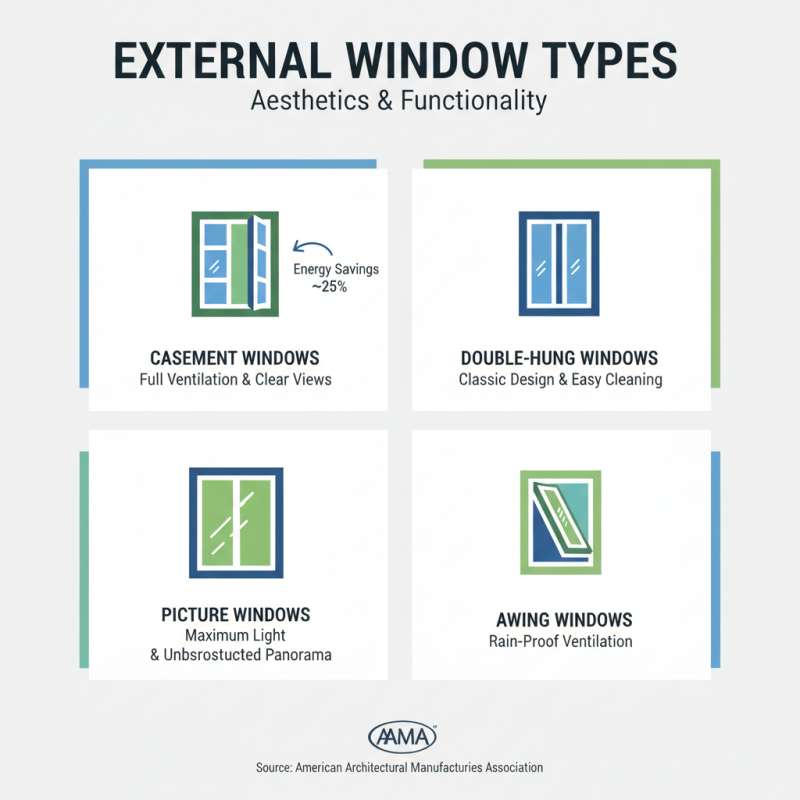
External windows play a crucial role in enhancing the aesthetics and functionality of a space. Their types vary widely, each offering unique features that cater to different needs. For instance, casement windows provide excellent ventilation and unobstructed views. According to the American Architectural Manufacturers Association, the energy efficiency of well-placed windows can reduce heating and cooling costs by up to 25%.
Sliding windows are another popular choice, allowing for easy access and maximizing natural light. They tend to be space-saving since they don't require a swing area. In contrast, double-hung windows are perfect for traditional settings, providing versatility. However, their cleaning and maintenance can be challenging compared to other types. Homeowners should assess their priorities when selecting windows.
Tip: Consider the climate in your area. Opt for windows that suit your local weather conditions for the best energy efficiency. Another tip is to pay attention to the materials used. High-quality frames can significantly impact durability. Each choice comes with trade-offs, so thinking critically about your options is essential. Don’t forget to factor in upkeep as well; it can be a deciding element for many.
Installation and Maintenance of External Windows
External windows can greatly enhance your living space. Their installation requires careful planning and attention to detail. You need to assess your home’s structure and choose suitable frames. It's crucial to follow proper procedures to avoid issues down the line.
When installing external windows, always check for energy efficiency. Seal any gaps to prevent drafts. A well-insulated window can save you money on heating and cooling. Choose double-glazed options for better insulation.
Tips: Ensure that the window is level during installation. Use shims if necessary. Regular maintenance is key for longevity. Clean the frames and check seals yearly. Look for signs of wear. Don't ignore minor issues; they can lead to bigger problems later. Each small task contributes to the overall health of your windows.
Design Considerations for Optimal External Window Usage
When considering external windows, design plays a critical role in enhancing both aesthetics and functionality. Research indicates that well-designed windows can improve a building's energy efficiency by up to 30%. This efficiency means lower heating and cooling costs for homeowners. Natural light also significantly influences mood and productivity. A study published by the American Society of Interior Designers found that 90% of respondents believe natural light elevates their mood. Therefore, strategic placement of windows enhances not just visual appeal, but livability.
However, while the advantages seem clear, there are practical considerations to address. The orientation of windows is crucial. South-facing windows can lead to overheating and increased cooling costs in warmer months. Balancing sunlight and temperature is essential. Also, the materials used in window construction need to be durable and weather-resistant. A survey by the International Window Association reported that over 40% of homeowners regret not considering weather factors adequately when selecting windows. This highlights the importance of thorough research and planning in window design.