How to Install External Windows for Improved Home Efficiency?
Installing external windows can significantly enhance your home’s energy efficiency. They serve as barriers against heat loss and cold drafts, keeping your home comfortable year-round. External windows can also improve natural light, reducing the need for artificial lighting during the day.
Choosing the right materials and styles for external windows is crucial. Options vary from double-glazed units to low-E glass, each with benefits tailored to different climates. When selected wisely, these windows can help lower energy bills dramatically. However, the installation process must be approached carefully. Poor installation can lead to gaps that negate the energy-saving features.
Understanding the specifics of your home is essential before making changes. Each property has unique challenges such as insulation needs and aesthetic preferences. Involving professionals can ensure a proper fit and increased efficiency. Although DIY projects can be appealing, overlooking critical details can hurt your investment. Consider the long-term benefits of quality external windows, both for energy savings and improving your home’s overall value.
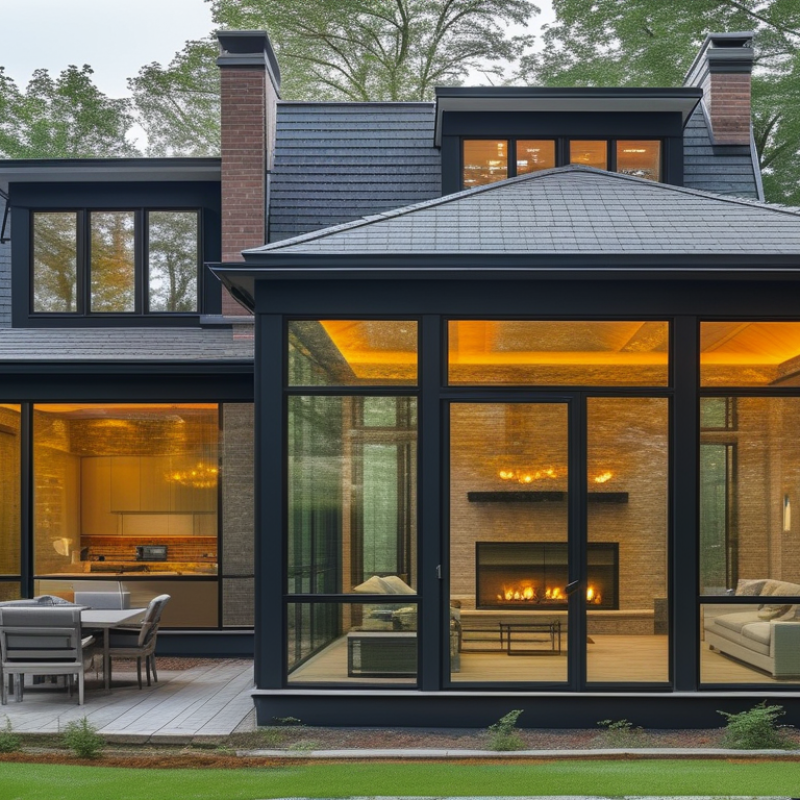
Understanding the Benefits of External Windows for Home Efficiency
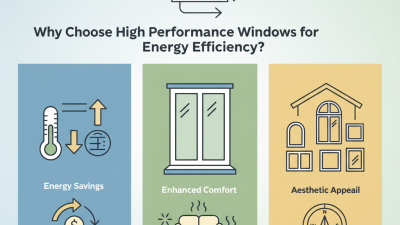
External windows play a crucial role in enhancing home efficiency. They help regulate indoor temperature and improve natural lighting. With the right installation, these windows can reduce energy bills significantly. Properly sealing windows prevents drafts, ensuring a cozy atmosphere during winter months.
Choosing energy-efficient materials is essential. Double or triple glazing offers superior insulation. They keep warmth in during colder seasons and block excessive heat during summer. This balance leads to less reliance on heating and cooling systems. However, not all homes benefit equally. Some may face challenges, such as structural limitations or local climate factors.
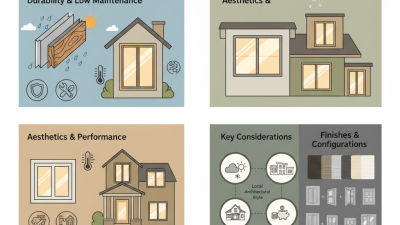
Regular maintenance of external windows is necessary. Dirt and seals can wear down over time. Inspecting for cracks or gaps ensures they perform optimally. In cities with heavy rainfall, additional waterproofing might be needed. Reflecting on these aspects can lead to better decision-making for homeowners. Efficient windows leave a lasting impact on energy conservation and comfort.
Choosing the Right Type of External Windows for Your Home
Choosing external windows is crucial for home efficiency. The right windows can impact energy bills and overall comfort. According to a report by the Efficient Building Association, up to 30% of heating and cooling energy is lost through inefficient windows.
When selecting external windows, consider the type of glazing. Double-glazed windows offer better insulation than single-glazed. Additionally, Low-E coatings can significantly reduce heat gain. However, these options may not suit every budget. Homeowners often overlook the importance of frame materials. Vinyl and fiberglass frames provide excellent thermal performance but may require more initial investment.
The size and placement of windows also play a vital role in efficiency. Larger windows can brighten spaces but may increase energy costs if not properly shaded. Consider incorporating overhangs or awnings to mitigate heat gain in summer. This approach might result in better comfort but can lead to fluctuating temperatures during different seasons. Understanding these details can help homeowners make informed choices that genuinely enhance efficiency.
How to Install External Windows for Improved Home Efficiency?
| Window Type |
Material |
Energy Efficiency Rating |
Cost Range ($) |
Lifespan (Years) |
| Double Glazed |
Vinyl |
A+ |
200 - 500 |
20-30 |
| Triple Glazed |
Aluminum |
A++ |
400 - 800 |
30-40 |
| Casement |
Wood |
A |
250 - 600 |
20-25 |
| Sliding |
Fiberglass |
B |
300 - 700 |
25-30 |
| Awning |
Vinyl |
A |
200 - 550 |
20-30 |
Step-by-Step Guide to Measuring for External Window Installation
When planning to install external windows, accurate measurements are crucial. Begin by measuring the height and width of your existing window frame. Use a tape measure for precision. It's best to take measurements from three different points: the top, middle, and bottom for height, and left, center, and right for width. Record the smallest measurement to ensure a snug fit.
Take note of any obstructions around the frame. Clear space around the window is important for installation. Consider the wall thickness as well. This can impact the type of window you choose. If the wall is too thick, it may not accommodate standard windows. Be sure to check for levelness, as a crooked frame can lead to complications.
Don't hesitate to seek help if you're unsure about the measurements. A second pair of hands can make the process smoother. Sometimes, inconsistencies can arise, and experiences can vary. Double-checking helps reduce mistakes. While measuring, keep in mind that slight miscalculations can lead to bigger issues during installation. It’s better to be thorough than to rush through this crucial step.
Essential Tools and Materials Needed for Installing External Windows
When installing external windows, having the right tools and materials is crucial for a smooth process. Start with a measuring tape to ensure accurate dimensions. You'll need a level to check the alignment of the windows. Additionally, a drill and appropriate screws are essential for securing windows properly. Safety goggles and gloves will protect against any accidents during the installation.
Consider using caulk and weather stripping to seal the edges effectively. This helps improve insulation and energy efficiency. A utility knife is handy for trimming excess materials. Make sure you have a ladder if you're working on higher levels. While these tools are straightforward, improper installation can lead to leaks or drafts. Review each step carefully to avoid common mistakes and ensure every part is up to standard.
Gather these materials beforehand, as running out can lead to unnecessary delays. Sometimes, materials may feel overwhelming. If something seems off, recheck your measurements. Building a solid strategy around your tools will enhance your installation experience. If you're unsure, consulting a professional might be a wise choice.
Energy Efficiency Improvements with External Windows
Installation Process: Attaching and Sealing External Windows Properly
When considering the installation of external windows, the process of attaching and sealing is crucial. Proper alignment ensures optimal energy efficiency. Begin by preparing the window frame, cleaning the area around it. Inspection of the frame is essential; any damage can compromise your installation.
Next, place the window in the opening at a slight angle for support. This angle helps prevent the window from falling during attachment. Use screws to secure the window to the frame. Be cautious not to overtighten, as this can lead to warping.
Sealing is just as important as attachment. Apply a high-quality caulk around the edges. Ensure it fills all gaps to prevent air leaks. A smooth bead often indicates a proper seal. Take your time; rushing can lead to mistakes. Inspect your work. Look for uneven spots or missed areas. Reflect on the importance of this step; a poor seal can undermine the home's efficiency.