How to Choose the Best Residential Windows for Your Home?
Choosing the right residential windows is crucial for homeowners. Quality windows enhance energy efficiency and improve comfort. According to the National Fenestration Rating Council, energy-efficient windows can reduce heating and cooling costs by up to 15%. This statistic underscores the importance of selecting the best options for your home.
Expert Laura Johnson, a leading consultant in the Residential Windows industry, emphasizes, “The right windows not only elevate a home’s aesthetic but also contribute significantly to its energy efficiency.” Homeowners often face overwhelming choices. Options range from various materials to styles. Each pick impacts durability, maintenance, and performance.
Many overlook the benefits of proper installation. A poorly installed window can diminish efficiency, leading to costly repairs. Evaluating local climate is essential, too. The wrong choices can translate into discomfort and increased expenses. As you weigh these factors, remember that informed decisions will yield the best long-term results for your home.
Understanding the Different Types of Residential Windows Available
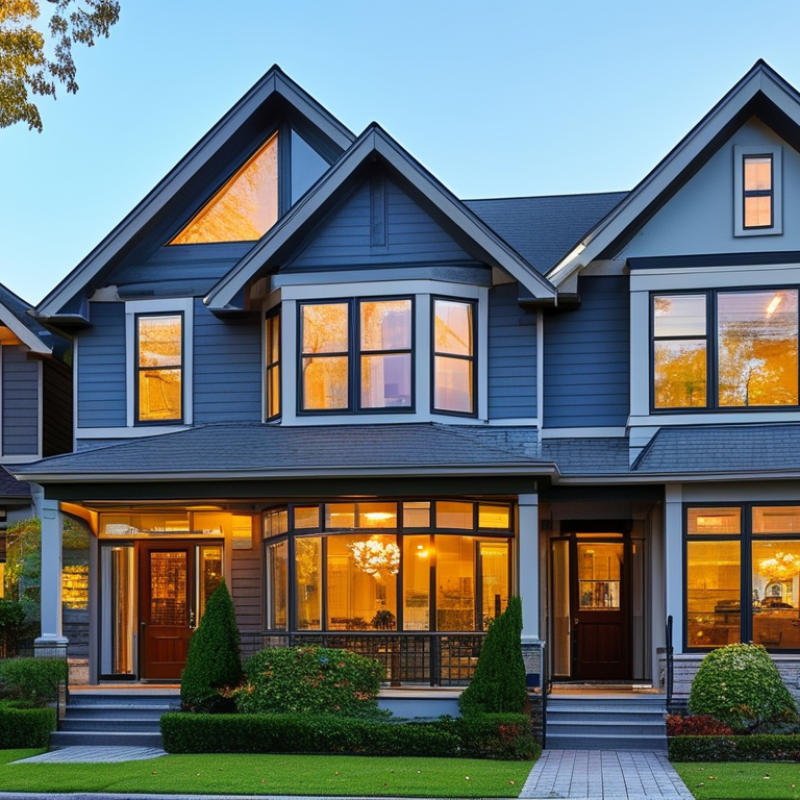
When choosing windows for your home, understanding the various types available is essential. There are numerous styles to consider, including double-hung, casement, and sliding windows. Each type has its unique features and benefits. For example, double-hung windows can easily open and close. They offer great ventilation and are easy to clean. Casement windows, on the other hand, are hinged on one side and can be cranked open. They provide an unobstructed view and excellent airflow.
Material also plays a crucial role in window selection. Common materials include vinyl, wood, and fiberglass. Vinyl windows are low-maintenance and energy-efficient. Wood offers aesthetic appeal but requires regular upkeep. Fiberglass windows are durable and resistant to warping. The choice of material can affect durability and insulation. Some homeowners regret not choosing the right material, leading to maintenance headaches.
It’s important to consider energy efficiency when selecting windows. Look for options with good insulation ratings to lower energy costs. However, energy-efficient windows can be pricier upfront, so weigh long-term savings against initial investment. Taking time to research can help avoid common mistakes. Understanding your options is vital for making an informed decision.
Types of Residential Windows and Their Popularity
Evaluating Energy Efficiency Ratings for Windows
When choosing residential windows, energy efficiency is a key factor. Windows are responsible for about 25-30% of residential energy consumption, according to the U.S. Department of Energy. Understanding energy efficiency ratings can help homeowners make informed decisions. Look for the National Fenestration Rating Council (NFRC) label. This label provides essential data on U-factor, Solar Heat Gain Coefficient (SHGC), and Visible Transmittance (VT).
A low U-factor indicates better insulation. Ideally, aim for a U-factor of 0.30 or lower. For warmer climates, a lower SHGC is beneficial, as it reduces heat gain. A rating below 0.25 is often recommended. Visible Transmittance measures how much light passes through the window. A VT between 0.40 and 0.70 strikes a good balance for natural lighting without excessive heat.
While these ratings guide decision-making, it is essential to consider local climate conditions. Some homeowners may prioritize appearance over efficiency, leading to regret later. Moreover, installation quality affects actual performance. Ensuring proper sealing and fit can significantly enhance energy efficiency. Remember, energy-efficient windows are an investment that pays off in comfort and cost savings over time.
Material Options for Residential Windows: Pros and Cons
When selecting residential windows, material options are critical. Each material has unique features that can affect performance and aesthetics. Wood is a classic choice, providing excellent insulation and natural beauty. However, it requires regular maintenance to prevent decay. Homeowners must weigh the warmth of wood against the commitment to upkeep.
Vinyl windows are gaining popularity for their affordability and low maintenance. They resist moisture and do not require painting. Yet, they may expand and contract in extreme temperatures, potentially affecting energy efficiency. Aluminum offers strength and a modern look, but it conducts heat and cold, which can lead to higher energy costs.
Fiberglass windows combine the best of both worlds. They are highly durable and energy-efficient. However, they come at a higher price point, which can be a barrier for some buyers. Each window material presents trade-offs, making it vital to assess personal priorities. Consider long-term costs and maintenance needs carefully before making a decision.
How to Choose the Best Residential Windows for Your Home?
| Material |
Pros |
Cons |
Average Cost ($) |
Lifespan (Years) |
| Vinyl |
Energy efficient, low maintenance, affordable |
Limited color options, can warp in extreme heat |
150 - 600 |
20 - 40 |
| Wood |
Aesthetic appeal, good insulation, customizable |
Requires regular maintenance, prone to rot and insects |
300 - 1,000 |
30 - 50 |
| Aluminum |
Strong, lightweight, low maintenance |
Poor insulation, can corrode, conducts heat |
200 - 800 |
20 - 30 |
| Fiberglass |
Durable, energy efficient, resistant to warping |
Higher initial cost, limited availability |
500 - 1,500 |
30 - 50 |
Considering Aesthetic Style and Design Choices for Your Home
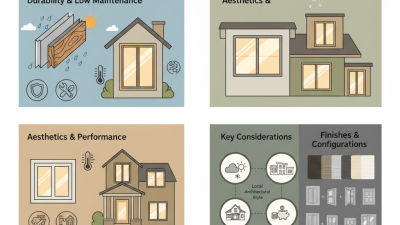
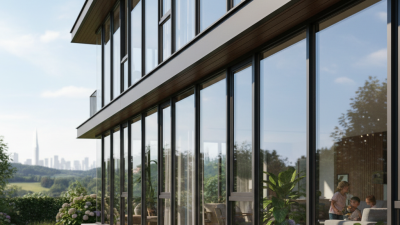
Choosing windows for your home is not just a functional decision; it also profoundly impacts the aesthetic appeal. A report by the American Architectural Manufacturers Association (AAMA) highlights that over 70% of homeowners consider the visual design when selecting windows. Style and design choices should reflect your home’s overall character. For contemporary homes, large glass panels provide a sleek look, while classic designs may favor divided lites or wood frames.
Material is key. Vinyl and fiberglass options offer a modern, low-maintenance aesthetic. Wood windows, while beautiful, require more upkeep but can add charm. According to the 2021 Window and Door Market Study, custom designs are gaining traction, with 45% of homeowners opting for unique shapes and styles. Balancing personal taste with neighborhood appeal can also enhance property value.
Consider also the color and finish. A striking color can make a statement, yet it should harmonize with other exterior elements. Neutral tones often appeal to a wider market. However, trends show that bold colors can attract attention. Reflecting on your choices may lead to a more satisfying design outcome. Each decision carries weight, from frame materials to window styles, influencing both beauty and functionality.
Assessing Window Installation and Maintenance Factors
When assessing window installation, it's essential to consider the entire process. Proper installation can affect energy efficiency and aesthetics. Poorly installed windows can lead to drafts, leaks, and moisture issues. Measuring precisely is crucial. Even small errors can result in costly repairs later.
Maintenance factors are equally important. Different materials require varying levels of upkeep. For example, wood frames may need regular painting or sealing, while vinyl tends to be low-maintenance. Regular inspections can help identify potential problems early. Checking seals and caulking often prevents bigger issues down the road.
Installation and maintenance go hand in hand. If you overlook one, the other will suffer. Think about your climate, as it influences the longevity of your windows. Heavy rains or extreme temperatures can accelerate wear. Investing time in understanding these factors is necessary. It can save you money and enhance your home's comfort.